
1. Introduction to Chronic Kidney Disease (CKD) in Cats
Chronic Kidney Disease (CKD) is a common condition in aging cats, affecting the kidneys’ ability to filter waste and regulate fluid balance. As a cat owner, it's crucial to understand how diet can play a vital role in managing CKD and improving your cat's quality of life. In this article, we’ll explore the best diet for cats with CKD, the nutrients to focus on, and tips for feeding your feline companion in a way that supports their kidney health.
- The Importance of Diet in CKD Management
- Key Nutrients for Cats with CKD
- Best Foods for Cats with CKD
- Common Diet Mistakes to Avoid
- Tips for Feeding Your Cat with CKD
2. The Importance of Diet in CKD Management
Diet plays a crucial role in managing Chronic Kidney Disease (CKD) in cats. Since CKD affects the kidneys’ ability to filter out waste, a proper diet helps slow the progression of the disease, reduce symptoms, and improve your cat’s overall well-being. A well-balanced diet can also help manage related issues like high blood pressure, dehydration, and poor appetite.

2.1 Reducing Kidney Workload
The kidneys in cats with CKD have to work harder to filter waste, and a suitable diet can lighten the load. Foods that are easier to digest and lower in certain substances, like phosphorus and protein, help reduce the stress on the kidneys. This enables your cat to feel better and improve their energy levels.

Heart of Chelsea Veterinary Group - Lower East Side
New YorkNew York CountyNew York
241 Eldridge St, New York, NY 10002, USA
2.2 Maintaining Nutritional Balance
As the disease progresses, CKD can cause your cat to lose appetite, resulting in weight loss and malnutrition. A proper diet helps maintain the necessary nutrients for energy and strength. The right balance of protein, fats, vitamins, and minerals ensures that your cat stays strong, healthy, and comfortable throughout treatment.
3. Key Nutrients for Cats with CKD
When choosing the best diet for a cat with CKD, certain nutrients are particularly important. Here are the key components to focus on when feeding your CKD cat:
3.1 Protein
While protein is essential for maintaining muscle mass and bodily functions, too much protein can increase the kidneys' workload in CKD cats. The goal is to provide a moderate amount of high-quality protein that supports your cat's health without overburdening the kidneys. Veterinary-prescribed renal diets usually contain controlled protein levels to balance these needs.
3.2 Phosphorus
Phosphorus is an essential mineral that helps regulate bone health and cell function. However, high levels of phosphorus in the blood can worsen kidney function in CKD cats. Renal diets for cats with CKD typically contain reduced phosphorus levels to help manage this risk. Limiting phosphorus intake is critical in preventing further kidney damage.
3.3 Omega-3 Fatty Acids
Omega-3 fatty acids, often found in fish oil, have anti-inflammatory properties that can help reduce inflammation in the kidneys and improve blood flow. These fatty acids have been shown to support kidney health and are a beneficial addition to the diet of CKD cats.
3.4 Potassium
Potassium is an important mineral for maintaining normal cell function and heart health. Cats with CKD often experience low potassium levels, which can lead to muscle weakness, fatigue, and heart issues. Supplementing with potassium in their diet can help maintain healthy levels, supporting muscle and heart function.
4. Best Foods for Cats with CKD
Several types of cat food are formulated specifically to support kidney function and manage CKD. When selecting food for your cat, look for options that provide the proper balance of nutrients for kidney health. Below are some recommended foods and ingredients to look for:
4.1 Prescription Kidney Diets
Many pet food brands offer prescription diets designed for cats with CKD. These foods are specially formulated with controlled protein, phosphorus, and sodium levels to ease the burden on the kidneys. Look for options that are endorsed by your veterinarian, as they are designed to meet the specific dietary needs of CKD cats.
4.2 High-Quality Wet Food
Wet food is often preferred for cats with CKD, as it provides extra hydration, which is crucial for kidney function. Many CKD cats experience dehydration, so wet food helps support their fluid intake and kidney health. Make sure to choose wet food that is low in phosphorus and high in essential nutrients like omega-3 fatty acids and potassium.
4.3 Homemade or Fresh Foods
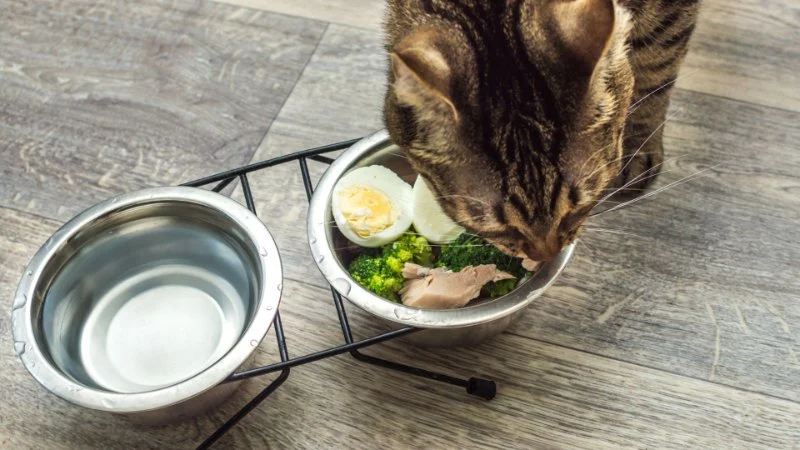
Some cat owners prefer to prepare homemade meals for their CKD cats, as it gives them more control over the ingredients and nutrient content. If you choose this route, work with a veterinarian or pet nutritionist to ensure the meals are balanced and meet your cat's dietary needs. Homemade meals can include ingredients like chicken, turkey, pumpkin, and egg whites — all prepared without added salt or seasonings.
5. Common Diet Mistakes to Avoid
Feeding your cat the wrong type of food can worsen their CKD condition. Here are some common mistakes to avoid when managing your cat's diet:
5.1 Overfeeding Protein
While protein is essential for your cat's health, too much protein can cause strain on the kidneys. Avoid feeding excessive amounts of protein, especially in the later stages of CKD. Always follow your veterinarian’s recommendations for protein intake.
5.2 Ignoring Phosphorus Levels
High phosphorus levels can cause further kidney damage. Be sure to choose foods that are low in phosphorus and monitor your cat’s blood levels regularly. Avoid feeding high-phosphorus foods like organ meats or dairy products.
5.3 Lack of Hydration
Dehydration is common in CKD cats. Always ensure your cat has access to fresh water, and consider feeding them wet food to help maintain hydration. Adding water to their dry food can also help boost fluid intake.
6. Tips for Feeding Your Cat with CKD
Here are some helpful tips to ensure your cat with CKD is eating well and getting the nutrition they need:
6.1 Regular Vet Check-ups
Regular check-ups with your veterinarian are essential for managing CKD. They can help monitor your cat’s kidney function and adjust their diet as needed. Your vet can also provide guidance on supplements and medications that may support your cat’s health.
6.2 Gradual Diet Changes
When changing your cat's diet, do so gradually to avoid digestive upset. Slowly transition from their current food to CKD-friendly options over the course of a week or two. This allows their digestive system to adjust and helps prevent reluctance to eat.
6.3 Keep Their Meals Consistent
Cats with CKD often experience a loss of appetite. Keep their meals consistent, offering small, frequent meals throughout the day to encourage eating. Be patient and understanding if your cat refuses food, and consult your vet for additional suggestions if needed.


 Huntington Animal Hospital4.0 (135 reviews)
 East Valley Pet Hospital4.0 (452 reviews)
 Cumulus Animal Hospital4.0 (36 reviews)
 Petco4.0 (623 reviews)
 Kuno's Bakery5.0 (3 reviews)
 Fish and Friends Pets4.0 (63 reviews)
 Signs of Bloat in Dogs (GDV): This is a Life-Threatening Emergency
 How to Keep Your Indoor Cat from Getting Bored
 A Guide to Feline Cancer: Common Types and Symptoms
 How to Cat-Proof Your Christmas Tree and Ornaments: Tips to Keep Your Tree Safe
 Why Do Kittens Have Blue Eyes at First?
 The Best DIY Cat Toys You Can Make in 5 Minutes