
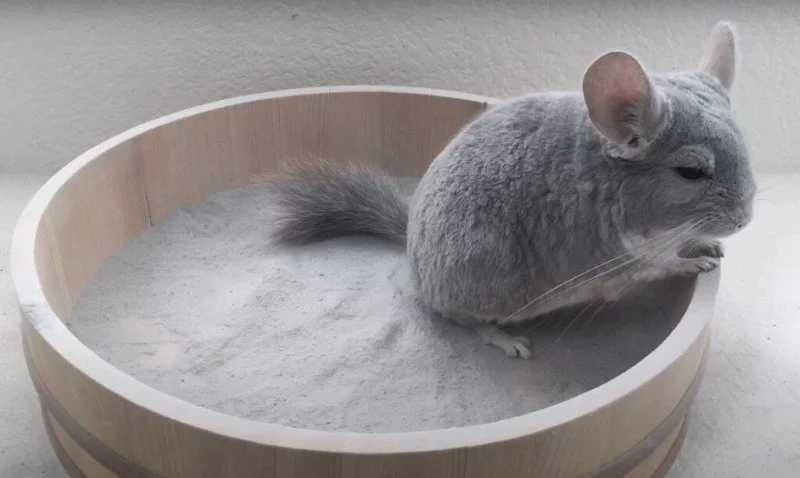
- Why Chinchillas Need Dust Baths
- Optimal Temperature for Chinchillas
- Setting Up the Perfect Habitat
- Feeding and Care for Your Chinchilla
- Real-Life Story: Caring for a First-Time Chinchilla
- Final Thoughts
Why Chinchillas Need Dust Baths
Chinchillas are known for their luxurious, thick fur, which requires regular maintenance to keep it soft, clean, and free from oil buildup. Unlike other pets, chinchillas cannot bathe in water, as their fur can absorb moisture and lead to skin problems or fungal infections. Instead, chinchillas take dust baths to cleanse their fur. These dust baths are essential to their grooming routine, as they help remove excess oils and dirt from their fur without causing harm.
To provide the best dust bath for your chinchilla, use a fine, volcanic sand specifically made for chinchillas. You can find this product at stores like Omnia Pet, which offers a variety of pet care items for chinchillas. Place a dust bath container in your chinchilla's cage, and let them roll and tumble in the dust for about 10-15 minutes. Avoid over-bathing, as this can dry out their skin and lead to irritation.

Optimal Temperature for Chinchillas
Chinchillas are native to the cool mountains of South America, so they require a cool environment to stay healthy. The ideal temperature for a chinchilla is between 60°F and 70°F (15°C to 21°C). Anything above 80°F (27°C) can cause them to overheat, which can be fatal. Chinchillas have very dense fur that doesn’t allow heat to escape, so it's crucial to provide them with a climate-controlled environment.
To maintain a comfortable environment for your chinchilla, avoid placing their cage in direct sunlight or near heat sources such as radiators or heating vents. In warmer climates, consider using a fan or air conditioning to regulate the temperature in the room where your chinchilla resides. Always monitor their behavior during warmer months—if they start breathing heavily, it's a sign they may be overheating.

Banfield Pet Hospital
MedfieldNorfolk CountyMassachusetts
51 Peter Kristof Way, Medfield, MA 02052, USA
Setting Up the Perfect Habitat
Creating the right habitat is crucial for your chinchilla’s well-being. Here are some key points to consider when setting up your chinchilla's home:
1. Spacious Cage
Chinchillas are active and curious creatures, so they need a cage that provides plenty of space to move around and explore. A large, multi-level cage with platforms and ramps will allow your chinchilla to exercise and climb. Make sure the bars are spaced no more than 1 inch apart to prevent escapes.
2. Bedding
Provide a soft, dust-free bedding material like aspen shavings or paper-based bedding. Avoid cedar or pine shavings, as these can cause respiratory problems. Change the bedding regularly to maintain cleanliness and prevent odors.
3. Hiding Spots
Chinchillas are prey animals and enjoy having a safe, quiet space to retreat to when they feel stressed. Provide hideouts such as cardboard boxes, tunnels, or wooden hideaways where they can feel secure.
Feeding and Care for Your Chinchilla
In addition to dust baths and a cool environment, proper diet and general care are key components of chinchilla care.
1. Diet
Chinchillas are herbivores, and their diet should consist mainly of hay, fresh water, and a small amount of pellets. Hay, such as timothy hay, is vital for their digestive system and dental health. You can also supplement their diet with small amounts of fresh vegetables, like carrots and bell peppers, but avoid fruits high in sugar as they can upset their stomach.
2. Exercise and Mental Stimulation
Chinchillas need regular exercise to stay healthy. Allow them to roam outside their cage in a safe, chinchilla-proofed area for a few hours each day. This helps them burn off energy and prevents boredom. You can also provide chew toys, wooden blocks, and treats to keep them mentally stimulated.
3. Regular Health Checkups
While chinchillas are relatively low-maintenance, regular checkups with a veterinarian experienced with exotic pets are essential. Keep an eye out for signs of illness, such as changes in behavior, droppings, or eating habits, and seek medical attention if necessary.
Real-Life Story: Caring for a First-Time Chinchilla
When I first adopted my chinchilla, I was a bit overwhelmed with all the information about their care. I didn’t realize how important temperature control was until one particularly hot day, I noticed my chinchilla breathing heavily and seeming stressed. I quickly moved his cage to a cooler spot and turned on the fan. After a few minutes, he started to calm down, but it was a clear lesson on the importance of keeping my chinchilla’s environment cool. Since then, I’ve been extra mindful of maintaining the right temperature, and he’s been doing great!
Final Thoughts
Caring for a pet chinchilla requires attention to detail, but it’s also incredibly rewarding. By providing a cool, safe environment, ensuring they get enough exercise, and offering regular dust baths, you’ll be helping your chinchilla thrive. Remember, chinchillas are social and curious animals, so the more time and care you invest, the stronger the bond you’ll form. For all your chinchilla care needs, check out Omnia Pet, where you can find the best products to keep your chinchilla happy and healthy.


 Islip Animal Hospital4.0 (205 reviews)
 TDBBS3.0 (27 reviews)
 Hollywood Feed4.0 (192 reviews)
 43rd Avenue Animal Hospital4.0 (424 reviews)
 FetchIQ0.0 (0 reviews)
 Howls and Meows Barkery5.0 (58 reviews)
 The Benefits of Adopting a Senior Pet vs. a Puppy or Kitten – Why Older Pets Make Great Companions
 Why Does My Kitten Have a Bald Spot? Common Causes and Treatment Options
 The Best Weaning Foods for Kittens Transitioning from Milk
 The Best Dog Breeds for Seniors and Retirees Looking for Companionship
 How to Help a Kitten with a Cold Sore
 How to Keep Your Cat's Litter Box from Smelling