
- Understanding-Urinary-Crystals-in-Cats
- How-Diets-Impact-Urinary-Health-in-Cats
- Recommended-Diets-for-Cats-with-Urinary-Crystals
- Ingredients-to-Look-for-in-Cat-Food
- When-to-Consult-a-Veterinarian
Understanding Urinary Crystals in Cats
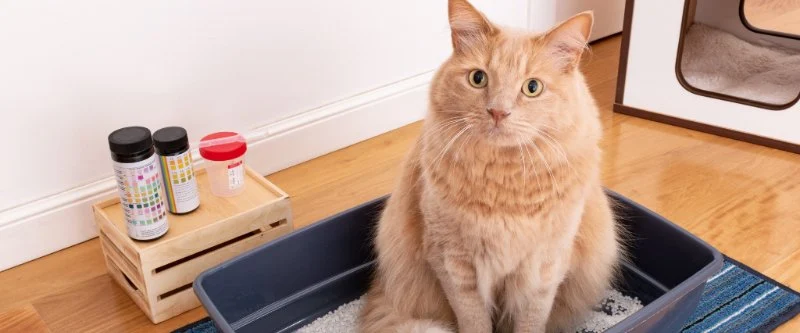
Urinary crystals are tiny, solid particles that form in a cat’s urine and can develop into urinary stones or crystals, leading to painful and potentially serious health problems. These crystals are usually composed of minerals such as struvite or calcium oxalate. If left untreated, they can block the urinary tract, causing painful urination, blood in the urine, and, in severe cases, kidney damage or bladder infections.
Urinary issues are particularly common in male cats, but they can affect both genders. In cats prone to developing urinary crystals or stones, dietary management plays a critical role in preventing recurrence. With the right diet and nutrition, you can help your cat maintain a healthy urinary system and avoid costly medical interventions.

How Diets Impact Urinary Health in Cats
The right diet for cats with urinary crystals or stones is essential for managing their condition and preventing future problems. A carefully balanced diet can help dissolve existing crystals, reduce the formation of new ones, and maintain overall urinary health. Here’s how diet affects your cat’s urinary health:

Companion Veterinary Hospital of Wayne
1510 Hamburg Tpke, Wayne, NJ 07470, USA
1. Acid-Base Balance
One of the key aspects of managing urinary crystals is regulating the pH of your cat's urine. Different types of crystals form in urine that is either too acidic or too alkaline. A diet that supports a balanced urine pH can help prevent the formation of harmful crystals. For example, struvite crystals tend to form in more alkaline urine, while calcium oxalate crystals form in more acidic urine. Specialized cat foods can help maintain a urine pH that reduces the likelihood of crystal formation.
2. Increased Water Intake
Hydration plays an essential role in urinary tract health. Increasing your cat’s water intake helps dilute urine, which can prevent the formation of crystals and stones. Wet cat food is an excellent way to provide more moisture in your cat’s diet, helping to keep their urinary tract hydrated and flush out toxins.
3. Specially Formulated Diets
There are commercial cat foods designed specifically for cats with urinary tract problems. These diets are formulated with controlled levels of protein, minerals, and magnesium to promote urinary tract health. They also often contain ingredients that help to acidify the urine or increase water intake, further aiding in the prevention of urinary crystals.
Recommended Diets for Cats with Urinary Crystals
When choosing the right diet for your cat with urinary crystals, it’s important to opt for high-quality, specially formulated food that addresses their specific urinary health needs. Here are some of the top options for managing urinary crystals and stones:
1. Prescription Diets
Prescription diets such as Hill's Prescription Diet c/d Multicare or Royal Canin Urinary SO are designed specifically for cats with urinary issues. These diets have been formulated to reduce urinary pH, increase urine volume, and reduce the levels of minerals that contribute to crystal formation. These brands have been thoroughly tested and are trusted by veterinarians to manage urinary crystals and stones effectively.
2. Wet Food Options
Wet cat food is an excellent choice for increasing hydration and promoting urinary health. Many commercial wet food options are designed to maintain the correct pH balance in the urine while providing essential nutrients. These foods can help prevent the formation of struvite and calcium oxalate crystals by encouraging water intake and providing a balanced, moisture-rich diet.
3. High-Quality Dry Food with Added Moisture
If your cat prefers dry food, make sure to choose a high-quality brand that contains specific nutrients aimed at supporting urinary health. While dry food is not as hydrating as wet food, some brands offer kibble that helps with urinary tract health, often supplemented by adding water or low-sodium broth to the meal.
Ingredients to Look for in Cat Food
When shopping for food to help manage your cat’s urinary health, certain ingredients play a vital role in preventing urinary crystals and stones. Here’s what you should look for in your cat’s food:
1. Controlled Magnesium Levels
Magnesium is an essential nutrient for cats, but too much can contribute to the formation of urinary crystals, particularly struvite crystals. Look for food that contains controlled levels of magnesium, which will help prevent the formation of crystals while still meeting your cat’s nutritional needs.
2. Increased Moisture Content
As mentioned, hydration is key in preventing urinary issues in cats. Wet food with a higher moisture content can help dilute urine and promote healthy urine flow. Some brands also offer dry food that encourages water intake by adding moisture or flavoring the kibble.
3. Low Ash Content
Foods with a low ash content help reduce the risk of urinary stone formation. Ash refers to the minerals in cat food, including calcium and phosphorus, which can contribute to crystal formation when present in high amounts. Choose foods with lower ash content to reduce your cat’s risk of developing urinary stones.
When to Consult a Veterinarian
While a balanced diet is an essential component of managing urinary crystals and stones, it’s important to consult a veterinarian if your cat shows signs of urinary problems. Symptoms such as straining to urinate, frequent urination, or blood in the urine should be addressed immediately. Your veterinarian can recommend the appropriate diet, medications, or treatments to manage your cat’s condition effectively.
If you’re unsure about the best diet for your cat’s specific needs, your veterinarian can help guide you towards the best food options for long-term urinary health. Additionally, regular check-ups are essential to monitor your cat’s urinary health and ensure their diet is working as intended.
For expert recommendations on cat food for urinary health and other pet care solutions, visit Omnia Pet. We offer a range of products and advice to help you keep your cat healthy and happy.


 Huntington Animal Hospital4.0 (135 reviews)
 East Valley Pet Hospital4.0 (452 reviews)
 Cumulus Animal Hospital4.0 (36 reviews)
 Petco4.0 (623 reviews)
 Kuno's Bakery5.0 (3 reviews)
 Fish and Friends Pets4.0 (63 reviews)
 Signs of Bloat in Dogs (GDV): This is a Life-Threatening Emergency
 How to Keep Your Indoor Cat from Getting Bored
 A Guide to Feline Cancer: Common Types and Symptoms
 How to Cat-Proof Your Christmas Tree and Ornaments: Tips to Keep Your Tree Safe
 Why Do Kittens Have Blue Eyes at First?
 The Best DIY Cat Toys You Can Make in 5 Minutes