
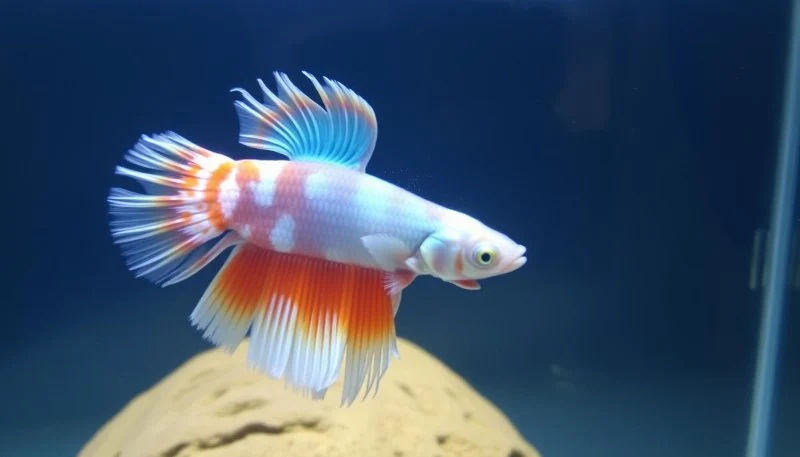
- Common Diseases in Betta Fish and How to Treat Them
- 1. Understanding Betta Fish Health
- 2. Identifying the Most Common Betta Fish Diseases
- 3. Effective Treatments for Betta Fish Diseases
- 4. Prevention Tips for Healthy Betta Fish
1. Understanding Betta Fish Health
Betta fish are one of the most popular aquarium fish, known for their vibrant colors and active personalities. However, like all fish, Betta fish are susceptible to certain health issues. Understanding the basic signs of illness in your Betta fish can help you treat problems early and keep your Betta healthy. In this article, we will discuss the most common Betta fish diseases, how to identify them, and the best treatment options available.

2. Identifying the Most Common Betta Fish Diseases
Before you can treat your Betta fish effectively, it’s essential to recognize the signs of illness. Betta fish can suffer from a variety of diseases, some of which are more common than others. Here are a few of the most frequently encountered diseases in Betta fish:

Pet Supermarket
1000 Peachtree Industrial Blvd Ste 12, Suwanee, GA 30024, USA
2.1 Velvet Disease (Oodinium)
Velvet disease is caused by a protozoan parasite that infects the skin and gills of Betta fish. This disease is characterized by a golden or rust-colored film on the fish’s body, which may look like velvet. The affected Betta may display signs of lethargy, rubbing against objects, and rapid gill movement.
2.2 Fin Rot
Fin rot is a bacterial infection that causes the fins and tail of a Betta fish to decay. The affected fins will appear frayed and may develop black or red edges. Fin rot can be caused by poor water quality, stress, or a bacterial infection.
2.3 Dropsy
Dropsy is a condition that causes swelling in the Betta's body, often making the scales stick out, creating a pinecone-like appearance. This disease is usually a symptom of a more significant issue, such as internal organ failure, infections, or poor water conditions.
2.4 Ich (White Spot Disease)
Ich is a parasitic infection caused by the protozoan *Ichthyophthirius multifiliis*. This disease is easily identified by the appearance of white, cyst-like spots on the skin and fins of the Betta fish. Ich can be fatal if not treated promptly, and is usually caused by poor water conditions or stress.
3. Effective Treatments for Betta Fish Diseases
Once you’ve identified the disease affecting your Betta, it’s time to start treatment. There are several methods for treating common Betta fish diseases, ranging from medicated treatments to natural remedies. Here are some of the best ways to help your Betta recover:
3.1 Treating Velvet Disease
To treat Velvet disease, you can use a copper-based treatment, which is effective in eliminating the parasite. You may also need to raise the water temperature slightly to speed up the life cycle of the parasite and improve the effectiveness of the medication. Be sure to keep your Betta in a quarantine tank to prevent the disease from spreading to other fish in the main aquarium.
3.2 Treating Fin Rot
For fin rot, it’s important to improve the water quality by performing regular water changes and ensuring that your Betta’s environment is clean. You can use antibacterial treatments like Melafix or a salt bath to help promote healing of the fins. In severe cases, you may need to separate your Betta into a quarantine tank and continue treatment there.
3.3 Treating Dropsy
Treating Dropsy is challenging, as it is often a symptom of a more severe internal issue. You can try using antibiotics and anti-bacterial treatments to help combat any potential infections. It’s essential to isolate the sick Betta and maintain excellent water quality in the aquarium. Dropsy often requires prompt medical intervention, so consulting with a veterinarian is highly recommended.
3.4 Treating Ich
Ich can be treated with anti-parasitic medications, which are available at most pet stores. Raise the temperature of the water slightly (within safe limits for your Betta) to speed up the life cycle of the parasite. Salt baths can also be beneficial, as salt helps to irritate and kill the parasites. Make sure to remove any uneaten food from the tank to prevent further contamination.
4. Prevention Tips for Healthy Betta Fish
Prevention is always better than treatment when it comes to Betta fish diseases. Here are some tips to help keep your Betta healthy and prevent illness:
4.1 Maintain Good Water Quality
Betta fish are sensitive to poor water quality, so regular water changes and monitoring water parameters (such as pH, ammonia, nitrites, and nitrates) are crucial. Aim for water that is slightly acidic to neutral, with a temperature range of 76-82°F (24-28°C).
4.2 Avoid Overcrowding
Betta fish are territorial and prefer to live alone. Avoid overcrowding the tank, as this can lead to stress and increased susceptibility to diseases. A 5-gallon tank is ideal for a single Betta fish.
4.3 Feed a Balanced Diet
Provide your Betta fish with a balanced diet that includes high-quality Betta pellets, frozen or live foods like brine shrimp, and occasional treats like bloodworms. A varied diet will help strengthen their immune system and keep them healthy.
4.4 Quarantine New Fish
If you’re adding new fish to your aquarium, always quarantine them for at least two weeks to ensure they don’t introduce diseases into your main tank. This is especially important if you have Betta fish already in the tank, as they are often more sensitive to diseases introduced by other fish.
By following these simple prevention tips, you can help ensure that your Betta fish remain healthy and vibrant for years to come.
If you're looking for high-quality products to help maintain your Betta’s health, be sure to check out [Omnia Pet] for the best aquarium supplies, treatments, and more!






 Islip Animal Hospital4.0 (205 reviews)
 TDBBS3.0 (27 reviews)
 Hollywood Feed4.0 (192 reviews)
 43rd Avenue Animal Hospital4.0 (424 reviews)
 FetchIQ0.0 (0 reviews)
 Howls and Meows Barkery5.0 (58 reviews)
 The Benefits of Adopting a Senior Pet vs. a Puppy or Kitten – Why Older Pets Make Great Companions
 Why Does My Kitten Have a Bald Spot? Common Causes and Treatment Options
 The Best Weaning Foods for Kittens Transitioning from Milk
 The Best Dog Breeds for Seniors and Retirees Looking for Companionship
 How to Help a Kitten with a Cold Sore
 How to Keep Your Cat's Litter Box from Smelling