
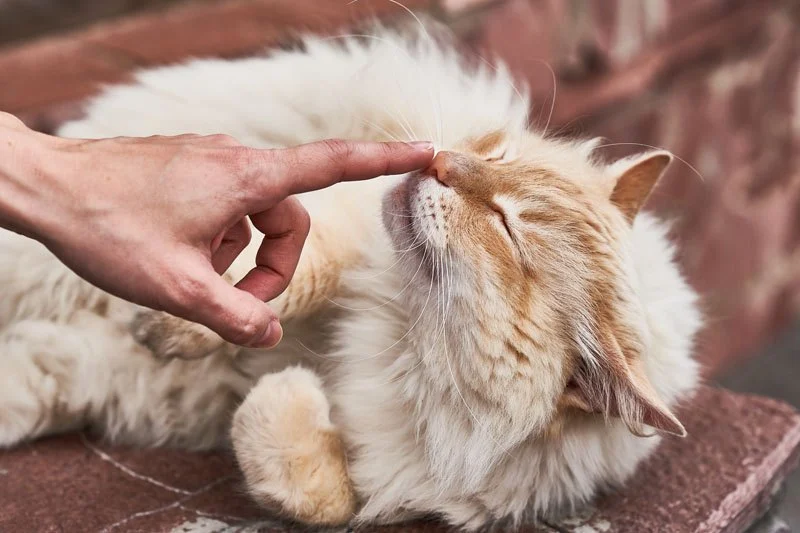
- 1. Overview of a Kitten's Sense of Smell
- 2. How Do Kittens Use Their Sense of Smell?
- 3. The Importance of Smell for Kittens
- 4. How Kittens' Sense of Smell Develops
- 5. Tips for Supporting Your Kitten's Sense of Smell
- 6. Final Thoughts
1. Overview of a Kitten's Sense of Smell
The sense of smell plays a crucial role in a kitten's life, helping them navigate their world and communicate with their surroundings. Cats, including kittens, have a highly developed olfactory system that is far superior to that of humans. A kitten’s sense of smell is an essential tool for survival, from finding food to detecting danger and identifying family members.

2. How Do Kittens Use Their Sense of Smell?
Kittens rely on their sense of smell for many aspects of their lives. Here are a few ways they use their noses:
- Food Detection: Kittens use their sense of smell to find food, especially when they are weaning and exploring solid foods.
- Social Communication: Scent plays a vital role in kitten bonding, especially with their mother and littermates.
- Danger Detection: A kitten’s ability to detect the scent of predators or unfamiliar animals is a survival mechanism.
3. The Importance of Smell for Kittens
A kitten’s sense of smell is not just for survival—it also influences their emotional well-being. In the early stages of life, scent is how kittens identify their mother and feel safe. It also helps them build a sense of their territory and distinguish familiar from unfamiliar environments. Here are some of the emotional benefits:
- Bonding: Smell helps kittens bond with their mother and littermates, fostering emotional connections.
- Comfort: The familiar scent of their environment and caregivers provides comfort and security.
- Exploration: As kittens grow, their sense of smell helps them explore the world around them, building confidence.
4. How Kittens' Sense of Smell Develops
A kitten's olfactory system starts developing as early as birth. Initially, kittens rely on scent to find their mother’s teat and begin nursing. As they grow, their ability to detect scents becomes more refined. Here’s a breakdown of how their sense of smell develops:
- Newborn Stage (0-2 weeks): Kittens' noses are fully functional but their sense of smell is mainly used for locating their mother.
- Socialization Stage (2-7 weeks): Kittens start to identify scents from their littermates and caregivers, which helps with social bonding.
- Exploratory Stage (7+ weeks): Kittens become more independent, using their sense of smell to explore their environment and identify potential threats.
5. Tips for Supporting Your Kitten's Sense of Smell
As a kitten owner, you can help support and enhance your kitten's sense of smell. Here are some tips:
- Provide a Consistent Environment: Kittens thrive in stable environments. Keeping their space clean and consistent will help them feel secure.
- Encourage Exploration: Safely allow your kitten to explore new areas of your home to stimulate their sense of smell and encourage independence.
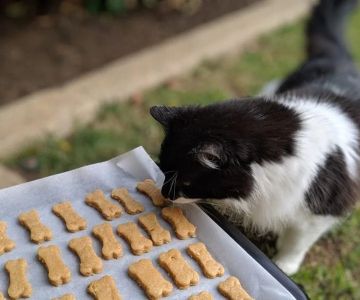
- Use Scented Toys or Treats: Scented toys or treats can engage your kitten’s nose and provide enrichment for their development.
- Keep Their Litter Box Clean: Kittens rely on scent to find their litter box. Regular cleaning ensures they feel comfortable using it.
6. Final Thoughts
A kitten’s sense of smell is a fascinating and essential part of their world, shaping their behavior, emotions, and social interactions. By understanding and supporting their olfactory development, you can help ensure your kitten grows into a confident, well-adjusted adult cat. For more tips on caring for your kitten’s sensory needs, visit Omnia Pet.


 Animal Dermatology Clinic5.0 (71 reviews)
 VCA Atwood Animal Hospital: Hopper Amy L DVM5.0 (5 reviews)
 Hope Animal Hospital3.0 (157 reviews)
 Kutztown Animal Hospital4.0 (130 reviews)
 Abshir Global Goods and Services llc0.0 (0 reviews)
 Pets Burg5.0 (29 reviews)
 How to Tell if Your Kitten is a Maine Coon Mix
 The Best Leashes and Harnesses for Taking Your Cat on Walks
 How to Train Your Cat to Use a Flushable Toilet System
 Why Does My Kitten Have a Lump on Their Belly? Understanding the Causes and Solutions
 The Top 10 Most Common Kitten Health Problems: Prevention and Care Tips
 The Economic Impact of the Pet Industry in the US