
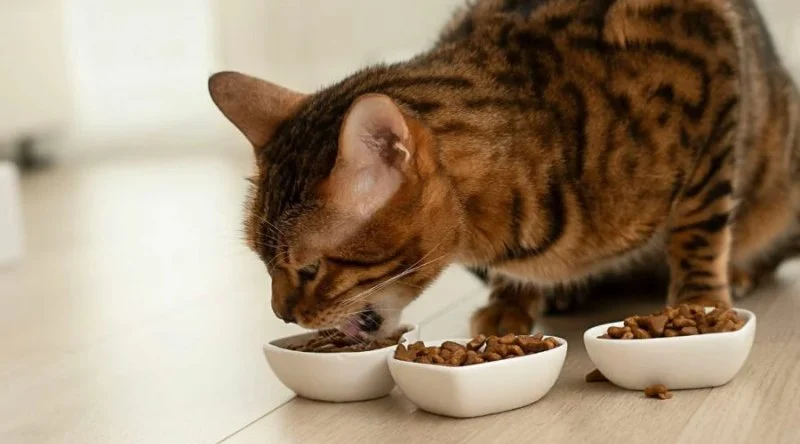
- Understanding Bengal Kittens' Wild Ancestry
- Nutritional Needs of a Bengal Kitten
- Best Foods for Bengal Kittens
- Feeding Tips for Your Bengal Kitten
- Common Dieting Mistakes to Avoid
Understanding Bengal Kittens' Wild Ancestry
Bengal kittens are known for their striking appearance, which resembles their wild ancestors, the Asian leopard cat. While they are domesticated, Bengals retain some of the traits and instincts of their wild forebears. This includes their natural diet preferences. Understanding these ancestral traits is essential when choosing the right food to support their health and well-being during their growth stages.
Unlike some other cat breeds, Bengals are more active and have higher energy levels. Their wild ancestry has shaped their dietary needs, making it important to feed them foods that provide the right balance of protein, fat, and essential nutrients.

Nutritional Needs of a Bengal Kitten
The nutritional needs of a Bengal kitten are unique. As active, strong, and agile cats, they require a diet that supports their energy demands while promoting healthy growth. The following nutrients are crucial:
- Protein: Bengals are obligate carnivores, meaning their diet should be rich in animal-based proteins. This helps in muscle development and overall health.
- Healthy fats: Fat provides essential energy and helps in the absorption of fat-soluble vitamins. Choose foods with healthy fats like those from fish oils or chicken fat.
- Vitamins and minerals: Like any kitten, Bengals require essential vitamins and minerals for bone health, immune system function, and proper growth.
- Moisture: Bengals also benefit from wet food, as it helps keep them hydrated and supports kidney health.
Best Foods for Bengal Kittens
When choosing food for your Bengal kitten, consider options that align with their wild ancestry. Here are some food types that provide the best nutrition for your Bengal:
- High-protein dry kibble: A high-quality dry kibble designed for kittens can provide the necessary protein levels, but make sure it is specifically designed for their life stage and high energy needs.
- Wet food: Canned food with real meat as the first ingredient is an excellent choice for Bengal kittens. Wet food provides hydration and is often more palatable for picky eaters.
- Raw or freeze-dried food: Some pet owners opt for raw or freeze-dried foods, which are closer to what a Bengal’s wild ancestors would eat. However, consult your vet before introducing raw food to ensure it’s safe for your kitten.
- Homemade meals: If you are considering making food at home for your Bengal kitten, ensure it’s balanced. You should consult with a veterinarian to create a recipe that includes all the necessary nutrients.
Feeding Tips for Your Bengal Kitten
In addition to choosing the right food, proper feeding habits are essential for Bengal kittens. Here are some tips to keep in mind:
- Feed multiple small meals: Instead of one or two large meals, feed your Bengal kitten 3-4 smaller meals per day. This helps maintain consistent energy levels and supports digestion.
- Monitor portion sizes: Overfeeding can lead to obesity, while underfeeding can stunt growth. Always follow the recommended feeding guidelines for kittens.
- Provide fresh water: Bengals, like all cats, need access to fresh water at all times. If you feed them dry food, ensure they have plenty of water available to avoid dehydration.
- Use food puzzles: As Bengals are intelligent and curious cats, they may enjoy food puzzles that engage their minds while they eat. This is especially helpful for feeding times and helps prevent boredom.
Common Dieting Mistakes to Avoid
While feeding your Bengal kitten, it’s important to avoid these common mistakes:
- Not providing enough protein: Since Bengals are active and muscular, they require a diet high in animal protein to support their growth and energy needs. Avoid plant-based protein sources like soy or corn.
- Overfeeding dry food: While dry food is convenient, it’s not as hydrating as wet food. A diet consisting only of dry food can increase the risk of urinary tract issues.
- Ignoring allergies or sensitivities: Some Bengal kittens may have food sensitivities, so it’s essential to monitor their reactions to new foods and consult your vet if any issues arise.
By following these guidelines and focusing on the nutritional needs of your Bengal kitten, you’ll help them grow strong, healthy, and ready for a lifetime of adventure. For the best options for your Bengal kitten’s diet, visit Omnia Pet for premium food choices and expert advice.




 Petco4.0 (1256 reviews)
 The Fish Factory4.0 (586 reviews)
 Millerton Veterinary Practice, PLLC4.0 (51 reviews)
 Glendale Veterinary Clinic4.0 (431 reviews)
 Pet Supplies Plus St. Petersburg4.0 (377 reviews)
 Compassionate Animal Care4.0 (75 reviews)
 The Best Ways to Play with Your Cat Using Wand Toys
 Why Does My Kitten Have a Lump on Their Belly? Understanding the Causes and Solutions
 Why Does My Kitten Have a Bald Spot?
 Signs of Worms in Dogs and How to Get Rid of Them: A Guide for Pet Owners
 The Best Litter for Kittens with Dust Allergies
 The Best DIY Cat Toys You Can Make in 5 Minutes