
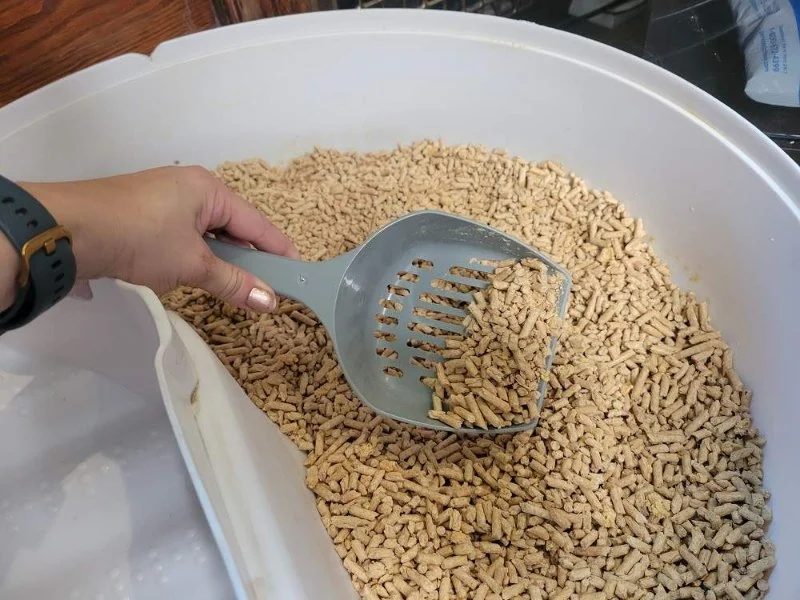
Understanding Litter Tracking
As adorable as kittens are, they can leave quite a mess behind. One common issue many kitten owners face is litter tracking—when the litter your cat uses ends up all over your home. Kittens are especially prone to tracking litter, as they tend to be more playful and curious, often jumping in and out of their litter boxes. Understanding how litter tracking happens is the first step in minimizing it and keeping your home clean.

Boxer Puppy Spot
Los AngelesLos Angeles CountyCalifornia
1012 Van Pelt Ave, Los Angeles, CA 90063, USA
Why Do Kittens Track Litter?
Kittens, with their tiny paws and playful nature, often carry litter particles on their feet as they leave the box. The type of litter used, the kitten’s behavior, and even the litter box’s design can contribute to the problem. For instance, fine-grain litters tend to stick to paws more easily, and certain box designs don’t contain the litter as well as others. Additionally, when kittens play or run after using the box, they scatter the litter across your home.

Types of Litter That Minimize Tracking
Not all cat litters are created equal. Some are more prone to tracking than others. If you’re dealing with litter tracking, you may want to consider a few types of litter that are specifically designed to minimize mess and keep your kitten’s paws cleaner:
1. Clumping Litter
Clumping litter is often a top choice for cat owners because it forms solid clumps when wet, making it easy to scoop out waste. It also tends to stay in the litter box better, which helps reduce tracking. The clumps don’t stick to your kitten’s paws as much as other types of litter, especially if you choose a larger-grain clumping litter.
2. Crystals or Silica Gel Litter
Silica gel litter is a great option for minimizing tracking because it consists of larger, smoother granules. These crystals absorb moisture and odors effectively while being less likely to stick to your kitten’s paws. While it may not clump, it’s a low-dust, low-tracking option that can keep your floors cleaner.
3. Larger-Grain Litter
While fine-grain litters are more prone to sticking to paws, larger-grain litters tend to cause less tracking. Because the particles are larger and heavier, they are less likely to cling to your kitten’s paws or be scattered around your home. This type of litter also often provides a more natural texture, which many kittens prefer.
4. Natural or Eco-Friendly Litter
Some eco-friendly litters made from materials like wood, corn, or wheat are designed to minimize dust and tracking. They often feature larger particles, which help reduce the amount of litter that sticks to your kitten’s paws. These types of litter are also biodegradable, making them a great choice for environmentally-conscious pet owners.
How to Reduce Litter Tracking
Choosing the right type of litter is only one part of the solution. There are several other strategies you can implement to reduce litter tracking in your home:
1. Use a Litter Mat
Litter mats are an effective way to capture any litter that your kitten tracks out of the box. Place a mat just outside the litter box to catch any particles as your kitten exits. Some mats are designed with grooves or texture to help trap litter, preventing it from spreading to other areas of your home.
2. Add a High-Sided Litter Box
A high-sided litter box can help contain the litter better than a low-sided box, especially for active kittens. This will prevent the litter from spilling out during enthusiastic digging or jumping in and out. Consider a box with a lid or a larger base to reduce the mess.
3. Keep the Litter Box in a Low-Traffic Area
Where you place your kitten’s litter box can also affect how much litter is tracked. Keeping the box in a less-trafficked area of your home, like a laundry room or bathroom, can help contain the mess. This also makes cleaning easier as you can focus on just one area when cleaning up any stray litter.
4. Regularly Clean the Box
Keeping the litter box clean is essential for reducing tracking. When your kitten digs in a dirty box, more litter can stick to their paws. Be sure to scoop out waste daily and change the litter regularly. This not only keeps your kitten’s paws cleaner but also promotes good hygiene and health for your kitten.
Real-Life Case: Solving Litter Tracking Issues
Take the case of Emily, a kitten owner who struggled with litter tracking around her home. After trying several types of litter and noticing little improvement, she decided to invest in a high-sided litter box and a litter mat. She also switched to a larger-grain clumping litter that was less likely to stick to her kitten’s paws. These changes resulted in a cleaner home, with much less litter being scattered. Emily’s story shows that a combination of the right litter, proper accessories, and strategic placement can make a big difference in reducing litter tracking.




 Exotic Fish & Reptiles4.0 (11 reviews)
 Groomer's Supply Outlet2.0 (3 reviews)
 Great Quality Trop Fish Inc4.0 (11 reviews)
 Rahal, Cheryl, Dvm - Desert Hills Animal Clinic5.0 (4 reviews)
 Brookside Pups - Wilksbarre4.0 (27 reviews)
 Sunset Pet & Supplies4.0 (309 reviews)
 The Top 10 Most Common Health Issues in Cats and How to Prevent Them
 The Top 10 Smartest Dog Breeds and How to Challenge Them
 Why Is My Kitten Meowing So Much? Demands and Communication
 Why Is My Kitten So Clumsy? Coordination Development Guide
 The Best Diet for a Persian Kitten's Flat Face: Expert Tips for Optimal Health
 Why Does My Kitten Have a Notched Ear? TNR Programs Explained