
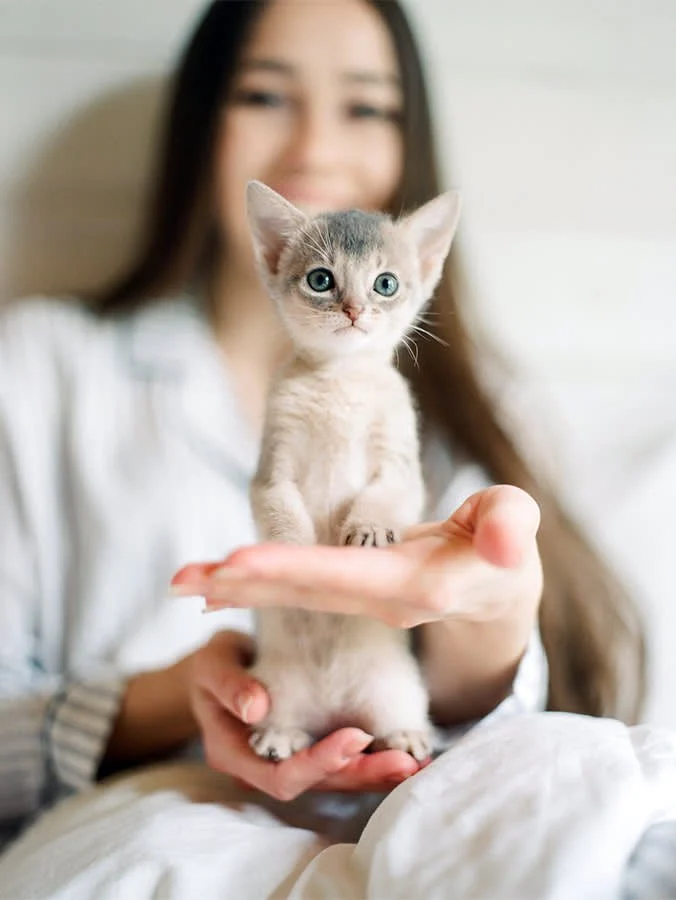
- why-kittens-appear-clumsy-in-the-first-place
- understanding-kitten-coordination-development-stages
- common-clumsy-behaviors-and-what-they-mean
- how-environment-affects-your-kittens-balance
- when-clumsiness-might-be-a-concern
- a-real-kitten-owner-story
- how-to-help-your-kitten-develop-better-coordination
- building-confidence-through-play-and-care
1. Why Kittens Appear Clumsy in the First Place
If you have ever watched your kitten miss a jump, slide off the couch, or trip over their own paws, you are not alone in asking, Why is my kitten so clumsy? The truth is, this awkwardness is usually a completely normal part of growing up.

1.1 The early development phase
Kittens are born with limited motor control. In their first few weeks, they are still learning how to coordinate their limbs, balance their bodies, and judge distances. What looks like clumsiness is often just the early stages of physical development.

1.2 Why curiosity makes things look worse
Kittens are naturally curious and adventurous. They often attempt movements before they are physically ready, which leads to slips, falls, and those amusing “missed landings” that many pet owners capture on video.
1.2.1 A mix of instinct and learning
Unlike adult cats, kittens are still connecting instinct with execution. They know they want to jump—but their bodies are still figuring out how to do it smoothly.
2. Understanding Kitten Coordination Development Stages
To fully understand Why is my kitten so clumsy? Coordination development plays a central role. Kittens go through several distinct stages as they grow.
2.1 Weeks 2 to 4: Wobbly beginnings
At this stage, kittens are just starting to walk. Their movements are unsteady, and balance is still developing. It is common to see them stumble or sway as they explore.
2.2 Weeks 4 to 8: Rapid improvement
This is when coordination begins to improve quickly. Kittens start running, pouncing, and interacting more actively with their environment, though they are still far from graceful.
2.3 Weeks 8 to 16: Play-driven development
Play becomes the primary way kittens refine their motor skills. Chasing toys, climbing, and jumping all contribute to better coordination.
2.3.1 Why practice matters more than perfection
Each playful misstep is part of the learning process. Over time, repeated attempts lead to smoother and more controlled movements.
3. Common Clumsy Behaviors and What They Mean
Not all clumsy actions are random. Many of them actually reflect important developmental milestones.
3.1 Missing jumps
Kittens often misjudge distances when jumping. This happens because their depth perception is still developing.
3.2 Sliding or losing traction
Smooth floors can make it harder for kittens to maintain grip. This is more about surface conditions than the kitten’s ability.
3.3 Over-pouncing during play
Kittens frequently overshoot their targets when playing. This is part of learning precision and control.
3.4 Sudden bursts of energy followed by awkward stops
These “zoomies” are normal. Kittens are still learning how to control speed and direction.
4. How Environment Affects Your Kitten’s Balance
Your kitten’s surroundings can influence how coordinated they appear.
4.1 Flooring types
Hardwood, tile, or laminate floors can make kittens seem more clumsy than they actually are. Adding rugs or mats can help improve traction.
4.2 Furniture layout
Providing stable, low-height surfaces for climbing and jumping allows kittens to practice safely.
4.3 Safe exploration spaces
Creating a controlled environment where your kitten can explore without risk helps build confidence and coordination.
4.3.1 Why environment shapes behavior
A well-designed space encourages practice while minimizing injury risk, allowing your kitten to develop naturally.
5. When Clumsiness Might Be a Concern
While most clumsiness is normal, there are situations where it may indicate a problem.
5.1 Lack of improvement over time
If your kitten does not show gradual improvement in coordination as they grow, it may be worth investigating further.
5.2 Frequent falling or inability to stand properly
Persistent balance issues could be related to neurological or inner ear conditions.
5.3 Signs of pain or discomfort
If your kitten avoids movement or reacts negatively when walking, this could indicate an injury.
5.4 When to seek professional advice
If you notice unusual or persistent symptoms, consulting a veterinarian is the safest course of action.
6. A Real Kitten Owner Story
A new pet owner once shared how their kitten would repeatedly miss jumps onto the couch and occasionally tumble sideways while running.
6.1 What initially worried them
They feared something might be wrong because their kitten seemed clumsier than expected.
6.2 What changed their perspective
After learning more about kitten development and exploring advice from Omnia Pet, they realized this behavior was completely normal for their kitten’s age.
6.3 The outcome over time
Within a few weeks, the kitten became noticeably more coordinated, turning those awkward jumps into smooth, confident movements.
7. How to Help Your Kitten Develop Better Coordination
There are simple ways to support your kitten’s development.
7.1 Encourage active play
Interactive toys that promote chasing, jumping, and climbing help strengthen muscles and improve coordination.
7.2 Provide safe climbing opportunities
Cat trees or low platforms allow kittens to practice balancing and jumping in a controlled way.
7.3 Maintain a supportive environment
Using rugs and soft surfaces can reduce slips and build confidence during movement.
7.4 Explore helpful resources
Many pet owners turn to platforms like Omnia Pet to find products and ideas that support healthy development and active play.
8. Building Confidence Through Play and Care
As your kitten grows, their coordination will naturally improve. The key is patience and encouragement.
8.1 Let your kitten learn at their own pace
Every kitten develops differently. Comparing your pet to others can create unnecessary concern.
8.2 Celebrate progress, not perfection
Each successful jump or smooth landing is a sign of growth, even if occasional clumsiness remains.
8.3 Taking the next step in understanding your kitten
If you are still wondering Why is my kitten so clumsy? Coordination development is the answer that brings clarity. By supporting your kitten’s growth and creating the right environment, you help them become the agile and confident cat they are meant to be.

 The Pet Works4.0 (781 reviews)
 Golden Aquarium4.0 (286 reviews)
 Pet Supermarket4.0 (340 reviews)
 Pet Home - 萌宠之家4.0 (131 reviews)
 Beverly Pet Clinic4.0 (74 reviews)
 Pauley's Pups4.0 (749 reviews)
 How to Protect Your Dog's Paws from Hot Pavement in Summer
 How to Build a 'Catio' (Cat Patio) for Safe Outdoor Time
 The Best Flea Collar for a Kitten's Sensitive Neck
 Why Does My Kitten Bite My Fingers? Play Aggression Explained
 The Best Volunteer Opportunities for Animal Lovers: Making a Difference
 The Top 10 Most Vocal Cat Breeds That Love to Talk