
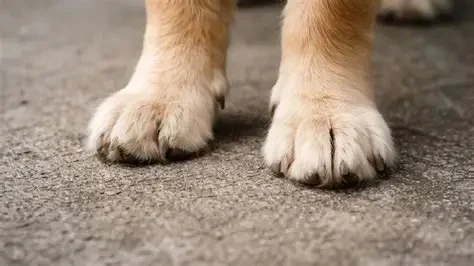
- Why-Hot-Pavement-Is-Dangerous-for-Dog-Paws
- Signs-Your-Dog-Paws-May-Be-Burning-on-Hot-Ground
- Simple-Test-to-Check-Pavement-Temperature
- Best-Ways-to-Protect-Your-Dog-Paws-in-Summer
- Choosing-the-Right-Paw-Protection-for-Dogs
- Smart-Summer-Walking-Tips-for-Dog-Owners
- A-Real-Story-of-Dog-Paw-Burn-and-What-It-Taught
Why Hot Pavement Is Dangerous for Dog Paws
Summer walks are one of the best parts of being a dog owner. Long sunny days, trips to the park, and evening strolls can be exciting for both pets and their humans. However, one hidden danger many owners underestimate is hot pavement. Learning how to protect your dog's paws from hot pavement in summer is essential for keeping your pet safe.
When the sun heats asphalt, sidewalks, or concrete surfaces, temperatures can rise far higher than the surrounding air. On a day when the air temperature is 90°F, pavement can easily reach 130°F or more. At those temperatures, a dog’s paw pads can burn in less than a minute.
Unlike humans who wear shoes, dogs rely directly on their paws to walk. Their paw pads are tough, but they are not immune to heat damage. Extended exposure to hot pavement can lead to painful burns, blisters, or even peeling skin.
Veterinarians frequently warn that pavement-related paw injuries are one of the most common summer issues seen in clinics. Fortunately, with the right precautions and awareness, most of these injuries are entirely preventable.

Sugar Sweet Georgia Puppies
LawrencevilleGwinnett CountyGeorgia
1848 Old Norcross Rd, Lawrenceville, GA 30044, USA
Signs Your Dog Paws May Be Burning on Hot Ground
Dogs cannot tell us when something hurts, but their behavior often reveals discomfort.

1. Sudden Refusal to Walk
If a dog suddenly stops during a walk or tries to pull toward grassy areas, the pavement may be too hot for their paws.
2. Limping or Favoring One Paw
Heat-damaged paw pads can make walking painful, causing dogs to limp or shift their weight.
3. Excessive Paw Licking
Dogs often lick injured areas to soothe irritation. Frequent licking of the paws after a walk may signal heat exposure.
4. Visible Damage
In more severe cases, paw pads may appear red, blistered, or cracked. If this happens, it’s important to stop walks on hard surfaces and consult a veterinarian.
Recognizing these warning signs early can prevent minor irritation from becoming a serious injury.
Simple Test to Check Pavement Temperature
One of the easiest ways to determine whether pavement is safe for your dog is the “seven-second rule.”
1. Place Your Hand on the Pavement
Press the back of your hand against the pavement for about seven seconds.
2. Evaluate the Heat
If it feels uncomfortable or too hot for your hand, it is definitely too hot for your dog’s paws.
3. Look for Cooler Surfaces
Grass, shaded trails, or dirt paths are much safer walking surfaces during hot weather.
This quick test takes only a moment but can prevent serious paw injuries.
Best Ways to Protect Your Dog Paws in Summer
Protecting dog paws from hot pavement involves a combination of timing, equipment, and awareness.
1. Walk During Cooler Hours
Early mornings and late evenings are the safest times for dog walks. Pavement temperatures drop significantly once the sun is lower in the sky.
2. Stick to Shaded Routes
Tree-lined streets, parks, and trails tend to remain cooler than open sidewalks.
3. Use Protective Paw Products
Protective dog booties or paw wax can help shield sensitive paw pads from extreme heat.
Many dog owners researching reliable paw protection solutions often explore product recommendations through Omnia Pet, where curated pet care items help make summer walks safer and more comfortable for dogs.
Choosing the Right Paw Protection for Dogs
Not all dogs need the same type of paw protection. The best solution depends on the dog’s activity level and environment.
1. Dog Booties
Dog booties provide the most direct protection from hot surfaces. They act like shoes for dogs, preventing the paw pads from touching heated pavement.
2. Paw Wax or Balm
Paw wax creates a thin protective barrier that helps reduce heat exposure while also moisturizing the pads.
3. Cooling Mats After Walks
After returning home, allowing dogs to rest on cooling mats can help regulate their body temperature and soothe paws.
Pet owners exploring protective gear and paw-care products often look at options recommended by Omnia Pet to find solutions suited to their dog’s size and activity level.
Smart Summer Walking Tips for Dog Owners
Protecting your dog's paws is just one part of safe summer exercise.
1. Carry Water
Dogs can overheat quickly in warm weather. Carrying a portable water bottle ensures they stay hydrated during walks.
2. Shorten Walk Duration
On extremely hot days, shorter walks help reduce heat exposure.
3. Watch for Overheating
Excessive panting, drooling, or lethargy can signal heat stress. If these symptoms appear, move your dog to a cooler environment immediately.
Responsible summer walking habits keep dogs comfortable while still allowing them to enjoy outdoor activity.
A Real Story of Dog Paw Burn and What It Taught
A widely shared social media story a few summers ago involved a dog owner who took her Labrador for a midday walk during a heat wave. The temperature that day reached nearly 95°F. Within minutes of returning home, she noticed the dog licking its paws repeatedly.
Later that evening, the veterinarian confirmed mild burns on the paw pads caused by hot asphalt. Fortunately, the injury healed within a few days, but the experience was a wake-up call for the owner.
After sharing her experience online, thousands of other dog owners commented that they had never realized how dangerous hot pavement could be. The story quickly spread, helping raise awareness about paw safety during summer.
Stories like this highlight an important lesson: even well-meaning dog owners sometimes overlook environmental risks. With a little awareness, simple precautions, and proper paw protection, summer walks can remain one of the most enjoyable activities for both dogs and their owners.





 Healthy Pooch Boutique and Bakery3.0 (19 reviews)
 SCOOBYS PET BOUTIQUE1.0 (1 reviews)
 Unbridled Bakery Co.5.0 (1 reviews)
 Pawssion Designer Pet Clothing5.0 (9 reviews)
 Sachem Animal Hospital4.0 (561 reviews)
 Tropical Fish World4.0 (233 reviews)
 The Best Toy for a Kitten's Prey Drive: Feather Wands
 The Best Diet for a Birman Kitten's Blue Eyes
 How to Keep Your Cat Active and Prevent Weight Gain - Fun, Health, and Playtime Tips
 Why Do Cats Hate Water? The Evolutionary Reasons
 The Best Volunteer Opportunities for Animal Lovers: Making a Difference
 Why Do Kittens Chatter at Insects? | Understanding Kitten Behavior