
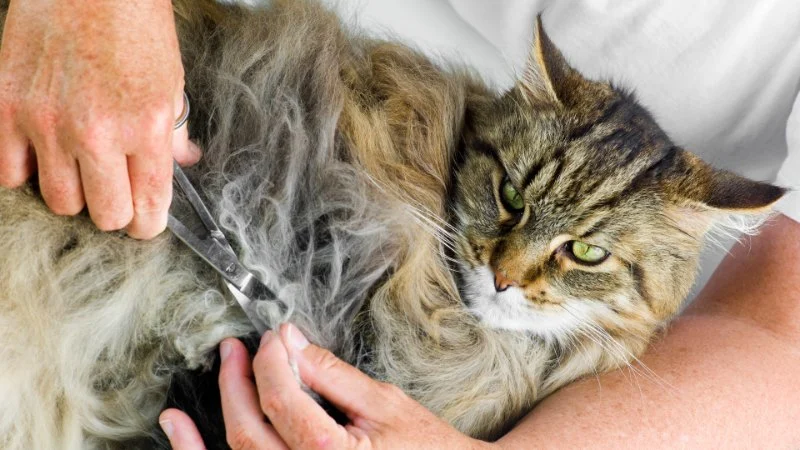
1. Why Is My Kitten's Fur Changing Texture?
- Normal Changes in Kitten Fur
- Health Issues Affecting Fur Texture
- Nutrition and Diet Impact on Fur
- How to Care for Changing Kitten Fur
- When to Visit the Vet
2. Normal Changes in Kitten Fur
As your kitten grows, it’s natural for its fur to change texture. These changes typically occur as the kitten matures and its body adjusts. Here are some of the common reasons for changes in fur texture:

S &K Pet Shop Reptiles and Birds and supplies
PerrisRiverside CountyCalifornia
2560N Perris Boulevard, SuiteN3, Perris, CA 92571, USA
Kittens Growing Into Their Adult Coat
When kittens are born, they have soft, fluffy baby fur that eventually changes as they grow. This soft fur is replaced with a denser, more mature coat around 6 months of age. This transition may cause their fur to feel a bit different and might even change the appearance of their coat.

VCA Alosta Animal Hospital
GlendoraLos Angeles CountyCalifornia
1821 E Rte 66, Glendora, CA 91740, USA
Seasonal Changes
As your kitten matures, seasonal changes can also affect its fur. During colder months, kittens (and adult cats) may develop a thicker coat to help regulate their body temperature. In the warmer months, their fur may thin out to help with heat regulation. These seasonal changes are completely normal.
3. Health Issues Affecting Fur Texture
Sometimes, changes in fur texture may signal a health issue. Here are some common health-related causes for fur texture changes:
Skin Infections and Allergies
If your kitten’s fur is becoming patchy, dry, or unusually coarse, it might be due to a skin infection or allergy. Fungal infections, such as ringworm, or skin parasites like fleas, can cause changes in fur texture. Allergies, either to food or environmental triggers, can also lead to fur issues.
Hormonal Imbalance
A kitten's fur may change texture due to hormonal imbalances, such as those caused by thyroid issues or early signs of puberty. If your kitten's fur feels greasy, thin, or brittle, it could be a sign that its hormone levels are out of balance.
Nutritional Deficiencies
Improper nutrition can lead to a variety of health issues, including changes in fur texture. A lack of essential fatty acids, vitamins, or minerals in your kitten's diet may lead to dry, dull, or brittle fur. It's important to ensure that your kitten is getting a balanced diet designed for their age and health needs.
4. Nutrition and Diet Impact on Fur
The right diet plays a crucial role in maintaining a healthy coat. A nutritious diet rich in essential fatty acids, such as omega-3s and omega-6s, can improve your kitten’s fur texture. Here’s what to keep in mind about your kitten’s diet:
Balanced Diet for Skin and Coat Health
A high-quality kitten food that contains a mix of protein, vitamins, and minerals is key to promoting healthy skin and fur. Look for foods with ingredients like fish oils, chicken, or beef, which are rich in essential fatty acids that help keep the coat shiny and soft.
Supplements for Fur Health
If your kitten’s diet lacks essential nutrients, consider adding supplements to support skin and fur health. Omega-3 fatty acid supplements or biotin can be beneficial for improving the overall texture and condition of your kitten's fur.
5. How to Care for Changing Kitten Fur
As your kitten’s fur changes, it’s important to care for it properly. Here are some tips to maintain its health and ensure that the changes are smooth:
Regular Brushing
Brushing your kitten’s fur helps remove loose hairs and prevents mats from forming. It’s also an excellent way to keep an eye on any changes in their fur or skin that may indicate a problem. Be gentle while brushing, especially if your kitten is still getting used to grooming.
Bathing Your Kitten
Although kittens don’t typically need frequent baths, bathing may be necessary if their fur becomes greasy or sticky. Use a kitten-safe shampoo to ensure you don't irritate their skin. Make sure to dry them thoroughly after the bath to prevent chill.
6. When to Visit the Vet
If your kitten's fur texture change is accompanied by other symptoms like hair loss, scabs, or excessive scratching, it’s time to visit the vet. A professional can help diagnose any underlying health conditions, such as parasites, infections, or nutritional deficiencies. Early intervention can prevent more serious issues from developing.
In some cases, your vet may suggest blood tests or skin scrapings to determine the cause of the fur change. Don't hesitate to seek professional help if you're concerned about the health of your kitten's coat.
If you're looking for the best care products for your kitten's fur, visit Omnia Pet for expert-recommended items that can support your kitten’s coat health.

 Dr. Lori's Mobile Veterinary Service3.0 (16 reviews)
 The Reptile Shop4.0 (235 reviews)
 Baer's Pet Center4.0 (125 reviews)
 Tropical Haven4.0 (512 reviews)
 Endless Pets and Supplies4.0 (440 reviews)
 Banfield Pet Hospital3.0 (268 reviews)
 How to Tell if Your Kitten is Too Skinny: Signs and Solutions
 How to Keep Your Cat's Ears Clean and Mite-Free
 How to Give Your Cat a Pill Using a Pill Pocket or Pill Gun
 How to Introduce a New Puppy to Your Resident Cat: A Step-by-Step Guide
 Why Do Mother Cats Move Their Kittens? Understanding Feline Behavior
 How to Celebrate Your Cat's Birthday - Fun Ideas for Your Feline Friend