
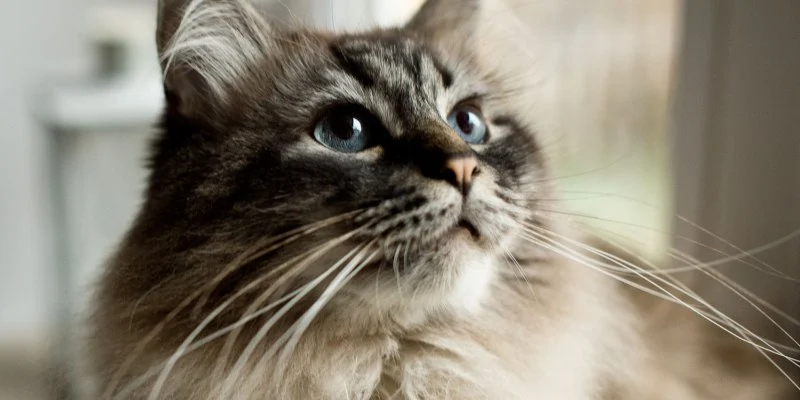
1. Understanding Whisker Shedding in Cats
Cat whiskers are more than just adorable features on your pet’s face—they play a critical role in helping cats navigate their environment. However, like other body hair, whiskers can sometimes shed naturally. So, if you notice your cat’s whiskers falling out, don’t panic immediately. But how do you know if it’s just normal shedding or a sign of something more serious?

Raintree Pet Resort and Medical Center
ScottsdaleMaricopa CountyArizona
8215 E Raintree Dr, Scottsdale, AZ 85260, USA
2. The Role of Whiskers in Cats' Lives
Whiskers, or vibrissae, are highly sensitive tactile hairs that help cats sense their surroundings. These whiskers are packed with nerve endings, allowing your cat to detect changes in air currents, measure gaps, and gauge the size of spaces before entering. They also aid in hunting, helping cats detect small movements around them, such as the flutter of prey.

Encanto Animal Hospital
Monterey ParkLos Angeles CountyCalifornia
2390 S Garfield Ave, Monterey Park, CA 91754, USA
2.1 The Importance of Whiskers
Whiskers are crucial for your cat’s spatial awareness and safety, especially in low-light conditions. Without them, a cat may feel disoriented or become more prone to accidents. Whisker sensitivity also contributes to a cat's communication skills, as they often use them to express moods. For example, a cat's whiskers can flare outwards when they feel threatened or frightened.
3. Normal Whisker Shedding: What to Expect
Just like other hair, a cat’s whiskers will naturally shed as part of the growth cycle. This shedding is completely normal, and it typically happens in small amounts. New whiskers will grow in to replace those that fall out. If your cat’s whiskers are falling out in small quantities over time, and the rest of their health seems unaffected, it’s likely just part of the natural process.
3.1 How Often Do Cats Shed Whiskers?
Whisker shedding is a slow process and doesn’t happen suddenly. While a cat might lose one or two whiskers here and there, it’s unlikely they’ll lose all of their whiskers at once. In fact, the shedding may be barely noticeable. The whiskers your cat loses will typically be replaced by new ones within a few weeks.
3.2 Signs of Normal Whisker Shedding
- The loss is gradual and occurs over time.
- The cat does not exhibit any other symptoms, such as hair loss or changes in behavior.
- New whiskers begin to grow in their place after a short period.
4. When Whisker Loss May Be a Problem
While occasional whisker shedding is normal, excessive whisker loss or the complete absence of whiskers could signal an underlying issue. If your cat is losing an abnormal amount of whiskers or showing signs of distress, it’s essential to look closer at the situation. Below are some conditions that may cause whisker loss in cats.
4.1 Stress and Anxiety
Stress is a common cause of unusual whisker shedding in cats. Cats who are stressed, anxious, or frightened may groom excessively, leading to whisker loss. Changes in environment, routine, or interactions with other animals can trigger stress, causing your cat to lose more whiskers than usual. If your cat is also displaying signs of anxiety, such as hiding or excessive vocalization, it’s worth investigating the root cause.
4.2 Health Issues
Whisker loss can sometimes be linked to health problems. Conditions like allergies, infections, and skin disorders (such as mange or fungal infections) can affect whisker growth. If the whisker loss is accompanied by other symptoms like scabs, redness, or hair loss, it’s essential to consult a vet. In some cases, hormonal imbalances or nutritional deficiencies may also contribute to whisker shedding.
4.3 Traumatic Injury
Accidents or injuries, such as scratches to the face or excessive grooming, may cause whisker loss. If you notice a sudden or localized loss of whiskers in one area, it could be due to trauma. In this case, you should monitor the area for any signs of infection or injury.
5. How to Care for Your Cat's Whiskers
Taking care of your cat’s whiskers is an essential part of maintaining their overall health. While you can’t prevent whisker shedding altogether, you can ensure that your cat’s whiskers are in good condition by following these tips:
5.1 Regular Grooming
Regular grooming is essential for maintaining the health of your cat's whiskers. Use a soft brush to groom your cat’s face, but avoid pulling or tugging at the whiskers. Cats are very sensitive around their whisker area, so gentle brushing will help maintain their whiskers while preventing any discomfort.
5.2 Provide a Low-Stress Environment
To prevent stress-induced whisker loss, try to create a calm environment for your cat. Minimize loud noises, provide quiet places for your cat to retreat, and introduce changes in their environment gradually. Keeping their routine consistent will also help reduce anxiety and stress.
5.3 Balanced Diet
A nutritious diet rich in essential fatty acids, vitamins, and minerals can promote healthy fur and whiskers. If your cat’s diet is lacking in these nutrients, it may contribute to abnormal whisker shedding. Speak with your vet to ensure your cat is receiving a well-balanced diet suitable for their specific health needs.
6. Conclusion
In most cases, whisker shedding in cats is entirely normal and not a cause for concern. However, if the whisker loss is excessive or accompanied by other signs of illness, it’s important to consult with a veterinarian. By understanding the natural whisker shedding process and knowing when it may indicate a problem, you can ensure your cat’s whiskers—and overall health—are well-maintained. For more advice on cat care, visit Omnia Pet for expert recommendations and products tailored to your pet’s needs.



 Islip Animal Hospital4.0 (205 reviews)
 TDBBS3.0 (27 reviews)
 Hollywood Feed4.0 (192 reviews)
 43rd Avenue Animal Hospital4.0 (424 reviews)
 FetchIQ0.0 (0 reviews)
 Howls and Meows Barkery5.0 (58 reviews)
 The Benefits of Adopting a Senior Pet vs. a Puppy or Kitten – Why Older Pets Make Great Companions
 Why Does My Kitten Have a Bald Spot? Common Causes and Treatment Options
 The Best Weaning Foods for Kittens Transitioning from Milk
 The Best Dog Breeds for Seniors and Retirees Looking for Companionship
 How to Help a Kitten with a Cold Sore
 How to Keep Your Cat's Litter Box from Smelling