
- 1. Understanding Dog Allergies
- 2. Common Symptoms of Dog Allergies
- 3. Dog Allergy Testing Methods
- 4. Treatment Options for Dog Allergies
- 5. Preventing Allergies in Dogs
1. Understanding Dog Allergies
As a dog owner, it’s important to be aware of the possibility of your pet developing allergies. Just like humans, dogs can suffer from various allergies, which can significantly affect their quality of life. Dog allergies can be triggered by a range of factors, including environmental elements like pollen, mold, and dust mites, or by food ingredients such as grains or certain proteins.
Allergic reactions occur when the dog’s immune system mistakenly identifies harmless substances as threats. This triggers an immune response that can lead to various symptoms. If you notice that your dog is consistently showing signs of discomfort, it's essential to understand the potential allergies they might be facing and how to address them effectively.

2. Common Symptoms of Dog Allergies
Recognizing the symptoms of allergies in your dog is the first step toward managing their condition. Here are some common signs that your dog may be suffering from allergies:
- Itching and Scratching: One of the most common signs of allergies is itching. Dogs may scratch, bite, or lick their skin excessively, especially around their face, paws, or ears.
- Ear Infections: Allergies can often cause recurrent ear infections, which may present as excessive scratching of the ears or head shaking.
- Watery Eyes: If your dog’s eyes are constantly watering or red, it could be due to an allergic reaction.
- Respiratory Issues: Sneezing, coughing, and wheezing are often signs of environmental allergies that affect a dog’s respiratory system.
- Digestive Problems: In some cases, food allergies can cause vomiting, diarrhea, or bloating.
If you notice any of these symptoms in your dog, it may be time to consult with your vet to determine the underlying cause and begin the appropriate treatment.
3. Dog Allergy Testing Methods
If you suspect that your dog is suffering from allergies, it’s important to seek professional advice from your vet. They may recommend one or more of the following allergy testing methods:
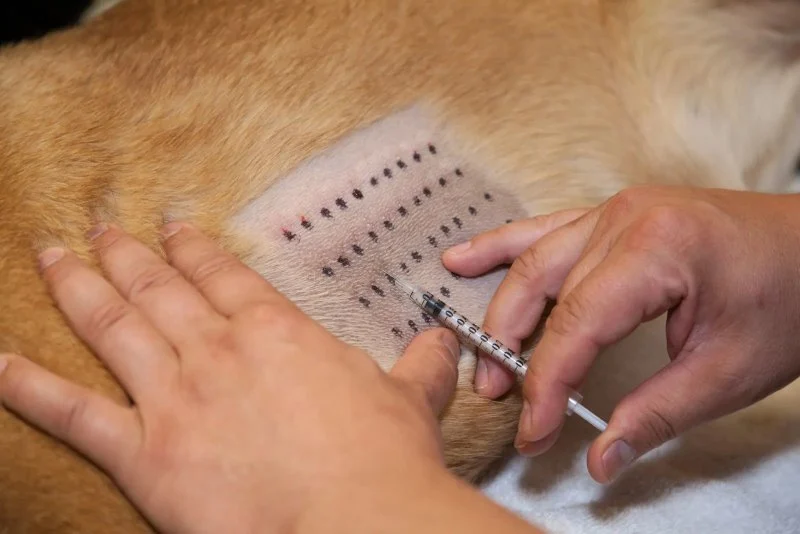
- Skin Allergy Test: A common test where small amounts of allergens are injected just under the skin to see if the dog develops a reaction. This test helps identify specific allergens that affect your dog.
- Blood Test: A blood test can help identify allergy-related antibodies and pinpoint allergens by measuring the dog’s immune response.
- Elimination Diet: For suspected food allergies, a vet may recommend a food trial with a novel protein and carbohydrate source to determine which food ingredient is causing the reaction.
These tests help your vet develop a targeted treatment plan for your dog, making it easier to manage their allergies and improve their quality of life.
4. Treatment Options for Dog Allergies
Once your vet has diagnosed your dog with an allergy, there are several treatment options available to help manage the symptoms and alleviate discomfort. Some common treatments include:
- Antihistamines: These medications can help reduce itching and other allergic symptoms by blocking histamines, which are responsible for causing allergic reactions.
- Allergy Shots: Allergy shots (immunotherapy) are a long-term treatment option that involves gradually desensitizing your dog to specific allergens over time.
- Steroids: In severe cases, your vet may prescribe steroids to reduce inflammation and control symptoms, though these are typically used for short-term relief due to potential side effects.
- Specialized Diets: For dogs with food allergies, a hypoallergenic diet may be recommended. This can help alleviate digestive issues and reduce allergic reactions.
- Topical Treatments: Shampoos and sprays designed to soothe irritated skin can help provide relief from itching and inflammation.
5. Preventing Allergies in Dogs
While some dog allergies are unavoidable, there are steps you can take to reduce the risk of your dog developing allergies:
- Maintain a Clean Living Environment: Regularly clean your dog’s bedding, toys, and living spaces to minimize exposure to allergens like dust mites, mold, and pollen.
- Regular Vet Check-ups: Regular visits to the vet can help catch early signs of allergies and provide proactive treatment options.
- Proper Nutrition: Ensure your dog is eating a well-balanced diet that supports their immune system and reduces the risk of food allergies.
- Limit Exposure to Triggers: If you know what allergens affect your dog, try to limit their exposure to those triggers, whether it’s certain foods or environmental factors.
By taking these preventive measures, you can help keep your dog comfortable and reduce the likelihood of allergy flare-ups.
If you need help managing your dog’s allergies or are looking for allergy-friendly products, visit Omnia Pet for a range of products and expert advice.






 Animal Care Clinic-Monadnock4.0 (214 reviews)
 Kirk5.0 (1 reviews)
 Petco4.0 (792 reviews)
 Avalon Animal Hospital & Bird Clinic3.0 (126 reviews)
 Weeth Nutrition Services2.0 (5 reviews)
 Critters Pet Shop4.0 (84 reviews)
 The Best Ways to Play with Your Cat Using Wand Toys
 How to Stop Your Kitten from Getting into Cabinets
 How to Stop Your Kitten from Eating Hair Ties
 Why Is My Cat's Whiskers Falling Out? Normal Shedding vs. Problems
 How to Find a Lost Cat: Effective Strategies That Work | Omnia Pet
 Best Pet Health Insurance for Cats: A Comprehensive Comparison