
- 1. Understanding Cat Winks: A Sign of Trust or Discomfort?
- 2. How Cats Communicate Through Their Eyes
- 3. Other Signs Your Cat Loves You
- 4. When Should You Be Concerned About Cat Winking?
- 5. Real-Life Story: The Case of the Winking Cat
1. Understanding Cat Winks: A Sign of Trust or Discomfort?
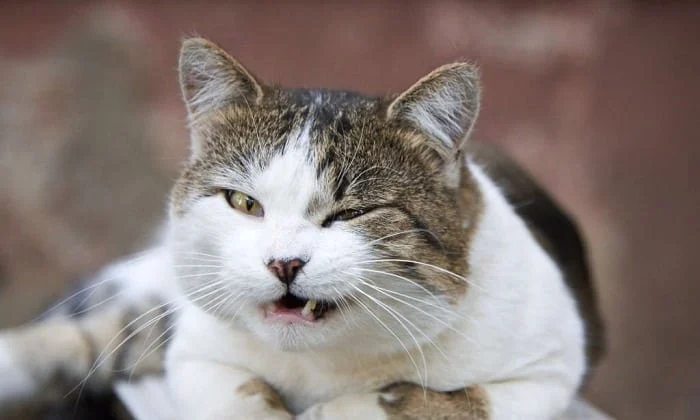
One of the most endearing behaviors exhibited by cats is the infamous "wink" or "slow blink." Many cat owners have noticed their feline friend winking at them, but what does it really mean? In cat behavior, winking is often a sign of affection and trust. When a cat gives you a slow blink or a wink, it’s typically a gesture of comfort and security.
Cats are creatures of habit and use their body language to communicate with their owners. A wink or slow blink is a way for cats to show that they feel safe and relaxed in your presence. It’s important to note that while winking is often a sign of positive emotion, it could also indicate other feelings, depending on the context and the cat's overall behavior.

2. How Cats Communicate Through Their Eyes
Understanding a cat’s body language is essential for interpreting their behavior. Cats are known to be subtle communicators, and their eyes play a major role in how they express themselves. Here are some common eye-related behaviors in cats:

2.1 The Slow Blink
As mentioned earlier, the slow blink, or wink, is a sign of affection. Cats usually blink slowly at people they trust, almost like a human smile. If you notice your cat giving you slow blinks, it’s their way of saying they are comfortable and not threatened by your presence. In fact, you can reciprocate this gesture by blinking slowly at your cat to communicate back in a non-threatening manner.
2.2 Wide, Dilated Pupils
When a cat’s pupils dilate, it can indicate excitement, fear, or overstimulation. A cat with wide pupils may be in a state of heightened emotion, whether positive or negative. It’s important to observe the rest of their body language to determine whether your cat is feeling playful or agitated.
2.3 Constantly Dilated Pupils
If your cat’s pupils are constantly dilated, it could be a sign of discomfort, stress, or anxiety. This behavior should be noted, as it might indicate that your cat is nervous or fearful, especially if combined with other signs like a lowered body posture or tail flicking.
3. Other Signs Your Cat Loves You
Winking is just one of many ways a cat may show affection. Cats have a variety of behaviors that demonstrate their love and attachment. Understanding these behaviors can strengthen your bond with your pet and ensure their well-being. Some other common signs of affection include:
3.1 Purring
One of the most well-known signs of a content cat is purring. While cats may also purr when they’re anxious, a purring cat is often relaxed and happy. If your cat purrs in your presence, it’s a clear indication that they feel comfortable and safe around you.
3.2 Kneading
Kneading, where cats press their paws into soft surfaces (like your lap or a blanket), is another common sign of affection. This behavior originates in kittenhood, where kittens knead their mother to stimulate milk flow. Adult cats continue this behavior as a sign of comfort and security, particularly when they feel loved and content.
3.3 Following You Around
If your cat follows you from room to room, they are likely attached to you and enjoy your company. This behavior is especially common in cats that have formed a close bond with their owners. They want to be around you, seek your attention, and enjoy your presence.
4. When Should You Be Concerned About Cat Winking?
While winking is usually a positive gesture, there are situations where it may indicate health concerns. If your cat is winking or blinking excessively, it could be a sign of an eye infection, injury, or other health issues. Pay attention to the following signs that may require a trip to the vet:
4.1 Excessive Squinting or Winking
If your cat is constantly squinting or winking in one eye, it could indicate irritation, injury, or infection in the eye. Conjunctivitis, foreign objects in the eye, or even scratches to the cornea can all cause discomfort, leading to excessive winking or squinting. Consult your vet if this behavior persists.
4.2 Discharge or Redness
Any abnormal discharge or redness around your cat’s eyes is a clear sign that something may be wrong. Eye infections can cause swelling, redness, and discharge, and if left untreated, they can worsen. It’s important to get medical attention for your cat if you notice these symptoms.
4.3 Sudden Behavioral Changes
If your cat suddenly starts winking more than usual, or exhibits other unusual behaviors, it could indicate underlying health issues. Cats may hide their discomfort, so any noticeable changes in their habits, appetite, or appearance should be addressed by a veterinarian.
5. Real-Life Story: The Case of the Winking Cat
Meet Sophie, a cat owner from Manchester. Sophie had a lovely cat named Luna, who frequently gave her slow blinks and occasional winks. Sophie always felt a deeper connection with Luna through these gestures. However, one day Luna began to wink excessively with one eye. Sophie initially thought nothing of it, but when Luna started squinting and having trouble keeping her eye open, Sophie took her to the vet.
The vet diagnosed Luna with a mild eye infection and prescribed treatment. Sophie was relieved to know that Luna’s winking wasn’t a sign of deeper distress but rather a signal of something treatable. After a few weeks of medication, Luna was back to her usual self, blinking and winking to show affection. Sophie learned the importance of paying attention to her cat's behavior and acting promptly when something seemed unusual.




 West Foothill Animal Hospital4.0 (145 reviews)
 Petco4.0 (710 reviews)
 New Age Pet5.0 (7 reviews)
 7th Street Feed5.0 (8 reviews)
 Axolotl Planet0.0 (0 reviews)
 Petables Puppy Boutique2.0 (124 reviews)
 The Benefits of Adopting a Senior Pet vs. a Puppy or Kitten – Why Older Pets Make Great Companions
 Why Is My Kitten's Fur Changing Texture? Understanding the Causes
 The Best Diet for a Persian Kitten's Flat Face: Expert Tips for Optimal Health
 Why Does My Kitten Have a Bump on Their Head? Causes and Solutions
 How to Tell if Your Kitten is a Maine Coon Mix – Signs and Characteristics to Look For
 How to Introduce a Kitten to an Older Dog | Pet Introduction Tips