
- 1 - Understanding Scared and Feral Cats
- 2 - Why Building Trust with a Scared or Feral Cat Is Crucial
- 3 - Step-by-Step Guide to Gaining a Cat's Trust
- 4 - Common Mistakes to Avoid When Trying to Gain a Cat's Trust
- 5 - When to Seek Professional Help
1. Understanding Scared and Feral Cats
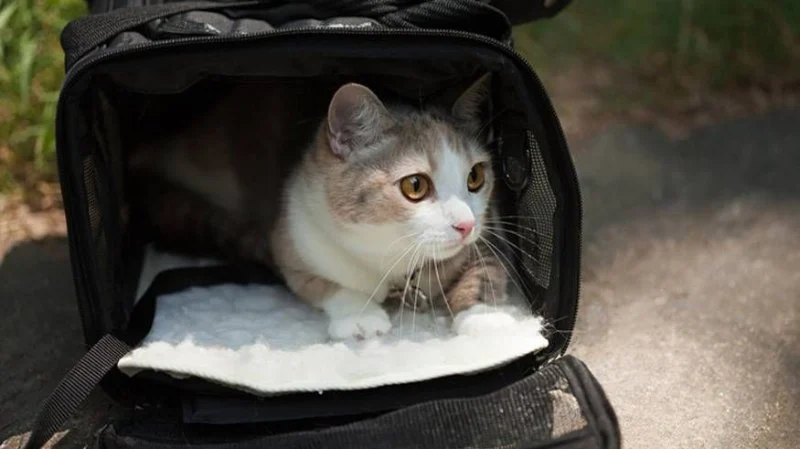
When you encounter a scared or feral cat, it’s important to understand the differences between the two. A scared cat may have had negative experiences with humans, while a feral cat is one that has never been socialized and often lives outside, avoiding human interaction altogether. Both types of cats require patience and care to build trust, but feral cats may take longer to adapt to a human environment.
Scared cats may hide, hiss, or swat when they feel threatened. Feral cats, on the other hand, might be even more distant, often refusing food or contact entirely. Understanding their behavior is key to helping them feel safe and secure with you.

Kansas City Pond & Water Gardening
North Kansas CityClay CountyMissouri
1557 Swift St, North Kansas City, MO 64116, USA
2. Why Building Trust with a Scared or Feral Cat Is Crucial
Building trust with a scared or feral cat is essential for their mental and physical well-being. Cats that are fearful or stressed can develop behavioral issues, such as aggression or self-harming actions. Additionally, a lack of trust can prevent them from forming bonds with humans, making them harder to care for or adopt.
By creating a safe and calm environment and using positive reinforcement, you can help the cat feel more secure in their surroundings. This leads to a healthier, happier cat that may eventually become comfortable with human interaction. Establishing trust with a feral cat also makes it easier to bring them inside and provide proper care, which is crucial for their long-term survival.

Signal Hill Pet Hospital
Signal HillLos Angeles CountyCalifornia
3449 Pacific Coast Hwy, Signal Hill, CA 90755, USA
3. Step-by-Step Guide to Gaining a Cat's Trust
Gaining a cat’s trust, especially a scared or feral one, requires patience and consistency. Here’s a step-by-step guide to help you build a trusting relationship:
1. Create a Safe and Calm Environment
The first step is to ensure that the cat feels safe. This means providing a quiet, low-traffic area where the cat can feel secure. Avoid sudden movements or loud noises that might startle them. Give the cat plenty of space, and allow them to approach you on their own terms. Make sure there are cozy hiding spots where they can retreat to if they feel scared.
2. Offer Food and Treats
One of the best ways to begin building trust is through food. Gently place food or treats in the cat’s area, and avoid crowding or forcing them to approach. Over time, they will associate your presence with positive experiences. For feral cats, it might take several days or weeks before they feel comfortable eating near you.
3. Avoid Direct Eye Contact
Direct eye contact can be seen as a threat by cats. Instead, try blinking slowly or looking away to signal to the cat that you’re not a danger. Once they begin to feel more comfortable, they may initiate eye contact themselves.
4. Use Calm, Soft Voice
Speaking in a soft, calm voice can help the cat feel less threatened. Avoid yelling or speaking too quickly. Over time, the cat may learn to recognize your voice as a source of comfort and security.
5. Gradually Increase Interaction
Once the cat begins to trust you with food, you can start gradually increasing your interaction. Try gently reaching out with a hand, but don’t force any physical contact. Let the cat come to you when they’re ready. You can also try using toys or other forms of entertainment to engage them in a non-threatening way.
4. Common Mistakes to Avoid When Trying to Gain a Cat's Trust
While the process of gaining a scared or feral cat’s trust requires patience, there are some common mistakes that should be avoided to prevent setbacks:
1. Rushing the Process
One of the biggest mistakes is rushing the process. Cats, especially feral ones, need time to adjust. Pushing them too quickly into interaction can cause stress and set back the progress. Be patient and allow the cat to come to you when ready.
2. Using Forceful Methods
Never attempt to grab, chase, or force the cat into interactions. This can cause extreme stress and increase fear. Always let the cat approach you at their own pace, and use gentle methods like offering food or sitting quietly near them.
3. Overwhelming the Cat with Attention
Although it may be tempting to shower a scared cat with attention, too much affection too soon can overwhelm them. Keep initial interactions short and sweet, and gradually increase the time as the cat becomes more comfortable with your presence.
5. When to Seek Professional Help
If you’ve been working with a scared or feral cat for a while and are not making progress, it may be time to consult with a professional. Animal behaviorists, veterinarians, or local animal rescue groups can offer guidance on how to proceed with the process. Sometimes, medical issues or trauma may be hindering the cat’s ability to trust, and a professional can help identify and address these concerns.
At Omnia Pet, we offer expert advice and resources for handling scared and feral cats. Whether you need behavioral tools, advice, or products to support your journey, we’re here to help make the process easier and more successful for both you and the cat.






 Bridgewater Veterinary Hospital (Bensalem)4.0 (223 reviews)
 Puppy place5.0 (1 reviews)
 Reptile Super Show | LA Pet Fair4.0 (30 reviews)
 Sunshine Pets4.0 (247 reviews)
 Eastport Animal Hospital4.0 (216 reviews)
 PawSteps Veterinary Center4.0 (150 reviews)
 The Best Time of Day to Feed Your Dog: Morning vs. Evening
 The Truth About Heartworm Disease: Prevention is Cheaper Than Cure
 The Best Cat Trees for Energetic Kittens to Climb
 How to Train Your Kitten to Use a Scratching Pad
 Why Do Cats Like to Sit in Circles? The "If I Fits, I Sits" Mentality
 How to Introduce a New Kitten to an Older Cat Without Stress