
- -Understanding-The-Weaning-Process-For-Kittens
- -The-Best-Weaning-Foods-For-Kittens
- -How-To-Introduce-Solid-Foods-To-Kittens
- -Common-Mistakes-To-Avoid-When-Weaning-Kittens
- -How-To-Make-Weaning-Easier-For-Your-Kitten
- -Where-To-Buy-Weaning-Foods-For-Kittens
1. Understanding the Weaning Process for Kittens
Weaning is a crucial stage in a kitten’s development as they transition from their mother's milk to solid food. The weaning process typically begins around 4 weeks of age, although it can vary slightly depending on the kitten’s health and development. During this time, kittens start to explore the world of solid foods while still relying on milk for nourishment.

1.1 Signs That Your Kitten Is Ready to Begin Weaning
The first signs that a kitten is ready to begin the weaning process include:
- Showing interest in solid food when it's offered
- Beginning to chew or lick at food, rather than just suckling
- Growing teeth, which can make nursing more difficult for them
- Increasing activity and curiosity about their surroundings
1.2 Gradual Transition to Solid Food
Weaning is not an overnight process. Kittens will gradually begin to eat solid food while still nursing from their mother or being fed milk replacer. The process usually takes several weeks, and patience is key. Typically, by 8 weeks of age, most kittens are eating solid food exclusively.
For more helpful tips on kitten care and weaning, you can explore recommended products and food options at Omnia Pet, which specializes in high-quality kitten foods.

Eye Care for Animals - Culver City
Culver CityLos Angeles CountyCalifornia
9599 Jefferson Blvd, Culver City, CA 90232, USA
2. The Best Weaning Foods for Kittens
Choosing the right food is essential for the health and well-being of a weaning kitten. The best weaning foods for kittens are soft, easy to digest, and packed with the nutrients they need for growth and development.
2.1 Soft Kitten Pâté and Canned Food
2.1.1 Easy to Eat and Nutritious
Soft kitten pâté or canned food is an excellent choice for weaning kittens. These foods are formulated to meet the nutritional needs of growing kittens and are easy to eat, as they don't require chewing. Start with small amounts and gradually increase the portion size as your kitten becomes more comfortable with eating solids.
2.1.2 Choosing the Right Brand
When selecting canned food for kittens, look for products that are specifically labeled for kittens or growth. These are often richer in protein, fat, and essential vitamins. Be sure to select a high-quality brand that contains no fillers like artificial colors or preservatives.
2.2 Kitten-Specific Dry Food
2.2.1 Introducing Dry Food to Kittens
While wet food is easier for kittens to eat, you can begin introducing kitten-specific dry food around 5 weeks of age. Dry food is beneficial for promoting healthy teeth and gums. However, you should always mix dry food with water or wet food to soften it before offering it to your kitten.
2.2.2 Gradual Transition to Dry Food
As your kitten becomes more accustomed to solid food, you can gradually reduce the moisture content and offer more dry food. This process usually takes several weeks and should be done slowly to avoid upsetting your kitten's stomach.
2.3 Kitten Milk Replacers and Supplements
2.3.1 Supplementing with Milk Replacer
If you're weaning an orphaned kitten or one that needs additional nutrition, a kitten milk replacer (KMR) is an essential supplement. It helps ensure that your kitten gets all the nutrients they need during this important transition period. Always follow the instructions on the label when preparing and feeding milk replacer.
2.3.2 Weaning from Milk
While transitioning to solid food, it's important to gradually reduce the amount of milk replacer given, as your kitten begins to rely more on solid foods. By 8 weeks, your kitten should be ready to fully transition to solid food.
3. How to Introduce Solid Foods to Kittens
Introducing solid foods to kittens requires patience and a gradual approach. Here are the steps to successfully introduce solid food to your kitten:
3.1 Start with Wet Food
3.1.1 Offering Soft Food
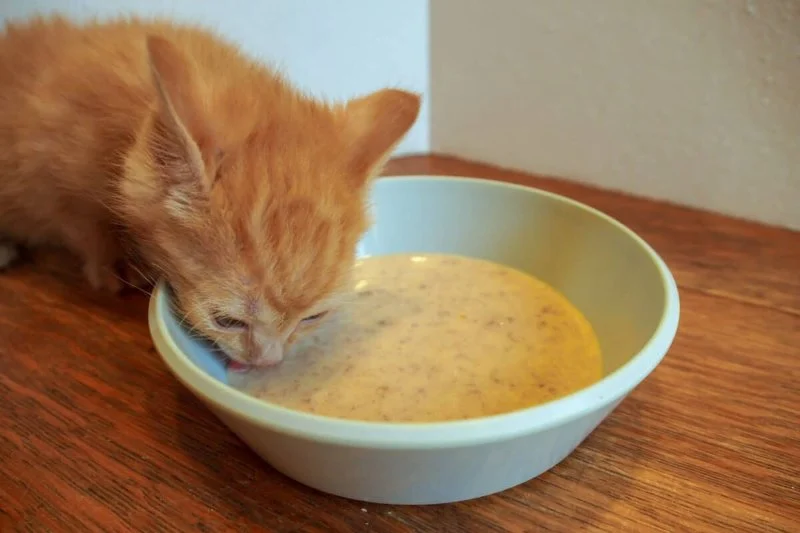
Begin by offering soft, wet kitten food. You can mash it up with a fork or mix it with a little warm water to create a soupy texture. This makes it easier for your kitten to lap up the food without needing to chew too much.
3.1.2 Gradual Introduction
Initially, offer small amounts of food two to three times a day, making sure the food is always fresh. Observe how your kitten responds to the new food. If they seem hesitant, try different flavors or textures until you find something they like.
3.2 Mix with Milk Replacer
3.2.1 Transitioning Gradually
As your kitten becomes more comfortable with solid food, you can begin mixing a small amount of milk replacer with their food to keep the transition gradual. This helps your kitten adjust to the new food without causing digestive issues.
3.3 Observe and Adjust
3.3.1 Watch for Digestive Issues
During the weaning process, it's important to monitor your kitten for any signs of digestive upset, such as diarrhea or vomiting. If this occurs, slow down the transition and consult a vet for advice.
4. Common Mistakes to Avoid When Weaning Kittens
Weaning can be a tricky process, and there are some common mistakes to avoid. Here are a few tips to ensure a smooth transition:
4.1 Introducing Solid Food Too Early
Starting the weaning process too early can cause stress for your kitten and lead to poor nutrition. Always wait until your kitten shows signs of readiness, usually around 4 weeks of age.
4.2 Forcing the Kitten to Eat Solid Food
Don't force your kitten to eat solid food if they're not ready. Allow them to explore the food at their own pace. It’s okay if they are still nursing or using milk replacer during the initial phase of weaning.
4.3 Overfeeding or Underfeeding
Monitor the portion sizes carefully to ensure your kitten is getting enough to eat without being overfed. Keep track of how much food they are consuming and adjust accordingly.
5. How to Make Weaning Easier for Your Kitten
To make the weaning process as smooth and stress-free as possible for your kitten, here are a few tips:
5.1 Create a Calm, Quiet Environment
Weaning can be stressful for kittens, so create a calm and quiet space for feeding times. This will help your kitten feel safe and comfortable while transitioning to solid food.
5.2 Keep a Consistent Feeding Schedule
Feed your kitten at the same time each day to establish a routine. Consistency will help your kitten adjust to eating solid food more easily.
5.3 Gradual Transition
Don't rush the weaning process. Gradually introduce solid food over several weeks to avoid overwhelming your kitten’s digestive system.
6. Where to Buy Weaning Foods for Kittens
To ensure you're getting the best food for your kitten’s transition from milk to solid foods, check out trusted retailers like Omnia Pet. They offer a wide selection of high-quality kitten food, milk replacers, and supplements to support the weaning process and overall kitten health.
By providing the best weaning foods for kittens and following the right approach, you’ll set your furry friend up for a healthy and happy future. Make sure to stay patient, observe your kitten’s progress, and consult your vet if you have any concerns along the way.





 The Road Show4.0 (516 reviews)
 Urgent Care Animal Hospital4.0 (98 reviews)
 Pet Supermarket4.0 (716 reviews)
 Life Oceanic4.0 (43 reviews)
 Orange-Tustin Animal Hospital4.0 (115 reviews)
 Petco4.0 (984 reviews)
 Understanding Feline Immunodeficiency Virus (FIV) in Cats: Symptoms, Diagnosis, and Care
 The Best Volunteer Opportunities for Animal Lovers: Making a Difference
 The Best Weight Management Diets for Overweight Cats: Expert Tips and Recommendations
 The Best Diet for a Tonkinese Kitten's Energy
 A Guide to Cat Vaccinations: Schedule, Costs, and What They Prevent
 The Best Safe Spaces for a Shy or Scared Kitten: Create a Comforting Environment