
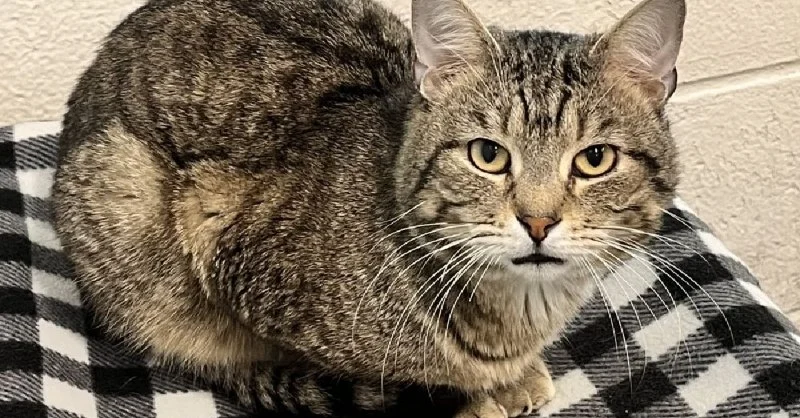
- 1. Introduction to Safe Spaces for Kittens
- 2. Understanding a Shy or Scared Kitten
- 3. How to Create the Best Safe Space for Your Kitten
- 4. Common Mistakes to Avoid When Creating a Safe Space
- 5. Why Safe Spaces Are Important for Kittens
1. Introduction to Safe Spaces for Kittens
Bringing a shy or scared kitten into your home can be a rewarding experience, but it also requires patience and understanding. Kittens, especially those that are timid or have experienced trauma, need a special kind of environment to feel safe and secure. One of the best ways to help your new kitten settle in is by creating a dedicated safe space where they can feel comfortable and at ease.
In this guide, we’ll explore how to create the perfect safe space for a shy or scared kitten, why it’s essential, and the steps you can take to ensure your kitten feels secure in their new home. Whether you’ve just adopted a kitten or are fostering one, providing a safe space will help them build confidence and trust.

Animal Cancer Care Specialists
ActonMiddlesex CountyMassachusetts
30 Nagog Park # 210, Acton, MA 01720, USA
2. Understanding a Shy or Scared Kitten
Before you start setting up your kitten’s safe space, it’s important to understand why they might be feeling scared or shy. Kittens, like people, have different personalities, and some are naturally more timid than others. However, there are several reasons why a kitten might be frightened:

Reef and Reptile Company
Chula VistaSan Diego CountyCalifornia
3800 Main St #5, Chula Vista, CA 91911, USA
1. New Environment
A new home is a big change for any kitten, and it can be overwhelming. The unfamiliar smells, sounds, and people can cause anxiety, especially if the kitten has not been socialized properly.
2. Previous Trauma or Neglect
If the kitten has experienced neglect or trauma in their past, they may be more fearful of new situations. These kittens may need extra patience and care to overcome their fears and build trust with their new owner.
3. Lack of Socialization
Kittens that haven’t been properly socialized in their early weeks may be more fearful of humans and other animals. Socializing your kitten slowly and gently will help them gain confidence over time.
Understanding these factors will guide you in creating a safe environment where your kitten can feel secure and begin to trust their new home.
3. How to Create the Best Safe Space for Your Kitten
Now that you understand why your kitten might be scared, it’s time to create the best safe space for them. This area will serve as their sanctuary where they can retreat to when feeling overwhelmed. Here’s how you can set it up:
1. Choose a Quiet, Calm Area
Pick a quiet room or corner of your home where your kitten can feel isolated from the bustle of everyday life. Avoid high-traffic areas and noisy spots like near the front door or in busy hallways. A bedroom or office space works well, as it’s often quieter and more secluded.
2. Create a Cozy Bed or Hideaway
Provide your kitten with a soft, comfortable bed or blanket in a hidden nook or box. Cats naturally seek out small, enclosed spaces when they feel scared or insecure. You can use a cozy bed, a cardboard box, or even a pet crate with a blanket for them to curl up in.
3. Keep Essential Items Nearby
Make sure your kitten has easy access to food, water, a litter box, and toys within their safe space. This way, they don’t have to leave their safe area to get the essentials they need. Having everything within reach helps them feel more secure in their environment.
4. Avoid Overwhelming Stimulation
While it’s important to let your kitten explore their new surroundings, avoid overwhelming them with too much stimulation. Keep noise levels low and avoid introducing other pets or too many people in their space during the initial adjustment period. Gradually allow them to get used to other parts of the house as they grow more confident.
5. Offer Positive Reinforcement
Reward your kitten for venturing out of their safe space or for displaying brave behavior. Use treats, petting, and gentle praise to encourage them to feel more comfortable outside their hideaway. Positive reinforcement helps your kitten associate their new home with safety and comfort.
4. Common Mistakes to Avoid When Creating a Safe Space
While it’s easy to think that any quiet corner will do for your kitten, there are a few common mistakes to avoid when setting up their safe space:
1. Not Providing Enough Privacy
It’s tempting to want to see your kitten as much as possible, but they need privacy to feel safe. Avoid constantly peeking into their safe space or forcing them out. Let them come to you when they feel comfortable.
2. Overcrowding the Space
While it’s great to give your kitten everything they need, overcrowding the space with too many toys, bedding, or objects can make it feel cluttered and overwhelming. Keep the space simple and cozy so that your kitten feels comfortable and not trapped.
3. Introducing Other Pets Too Soon
If you have other pets, avoid introducing them to the kitten’s safe space too soon. Allow your kitten time to settle in before meeting other animals. This will reduce stress and help them form their own sense of security.
5. Why Safe Spaces Are Important for Kittens
Creating a safe space for your kitten is essential for several reasons:
1. Reduces Anxiety
A safe space allows your kitten to have control over their environment, which significantly reduces anxiety. It gives them a place to retreat when they feel scared or stressed, helping them to calm down and feel more secure.
2. Builds Trust
By offering a dedicated safe area, you show your kitten that you respect their need for security. This fosters trust and strengthens the bond between you and your pet.
3. Encourages Socialization
As your kitten becomes more comfortable in their safe space, they will gradually gain the confidence to explore other areas of the house and interact with you and your family members. This slow introduction helps with proper socialization and reduces fear of new experiences.
For the best products and expert advice on creating a safe space for your kitten, visit Omnia Pet for a range of pet supplies and resources to make your kitten’s transition as smooth as possible.






 Vetco Vaccination Clinic4.0 (16 reviews)
 Petco4.0 (1474 reviews)
 Petco4.0 (833 reviews)
 Hollywood Feed4.0 (320 reviews)
 The Pet Works4.0 (781 reviews)
 Porter Veterinary Center4.0 (154 reviews)
 How to Keep Your Kitten from Falling Off Balconies
 Why Is My Cat's Third Eyelid Showing? When to Worry
 How to Keep Your Cat's Ears Clean and Mite-Free
 The Benefits of Adopting a Senior Pet vs. a Puppy or Kitten – Why Older Pets Make Great Companions
 The Best Pet Camera to Talk to Your Kitten Remotely
 Common Diseases in Betta Fish and How to Treat Them