
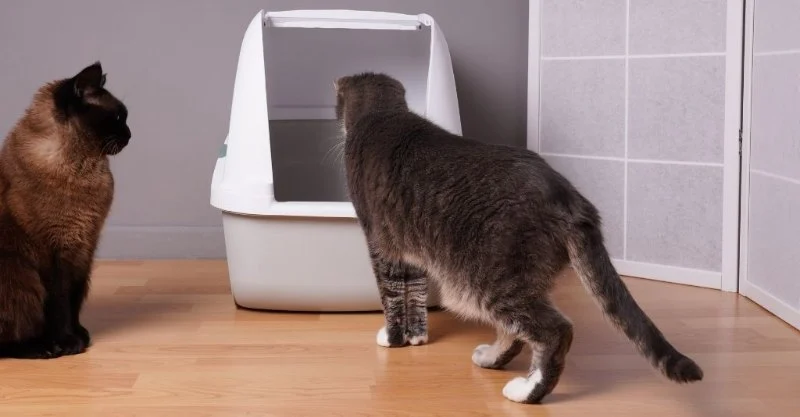
How to Stop Your Kitten from Eating Their Own Poop
- 1. Why Do Kittens Eat Their Own Poop?
- 2. Common Causes of Coprophagia in Kittens
- 3. Health Risks Associated with Eating Poop
- 4. How to Prevent Your Kitten from Eating Poop
- 5. What to Do If the Behavior Persists
- 6. Real-Life Story: How a Kitten's Poop Eating Habit Was Overcome
1. Why Do Kittens Eat Their Own Poop?
While it might seem strange, it’s not uncommon for kittens (and some adult cats) to eat their own poop, a behavior known as coprophagia. Understanding why this happens is the first step in addressing it. Kittens are naturally curious creatures, and they explore the world with their senses. Unfortunately, this includes tasting things they shouldn’t, like their own feces.
In the wild, some animals may eat feces as a way to reabsorb nutrients, especially if food is scarce. While domestic kittens generally don’t face this issue, they may still be inclined to eat their feces out of curiosity or instinct. This behavior can also be linked to stress, anxiety, or boredom, which are common in young kittens who haven’t fully adapted to their new environment.

2. Common Causes of Coprophagia in Kittens
There are several reasons why a kitten might start eating its poop. Some of the most common causes include:
- Curiosity: Kittens are naturally inquisitive, and they often try to explore the world by tasting things, including their own waste.
- Hunger or Nutritional Deficiency: If your kitten isn’t getting enough nutrients from their diet, they may turn to eating feces to compensate for the missing nutrients.
- Stress or Anxiety: A stressful environment, such as a recent move, new pets, or a lack of stimulation, can cause kittens to engage in unusual behaviors like eating poop.
- Cleanliness Instinct: Some kittens may eat their feces in an attempt to keep their living area clean, especially if they have not been properly litter trained.
- Behavioral Issues: In some cases, eating poop can be a learned behavior, especially if the kitten has seen other animals engaging in this act.
Identifying the underlying cause of the behavior is crucial for effectively addressing it. If the behavior is linked to a nutritional or medical issue, it may require a visit to the vet for further investigation.
3. Health Risks Associated with Eating Poop
While kittens may find eating poop intriguing, it comes with several health risks. The feces can contain harmful bacteria, parasites, and toxins that can lead to gastrointestinal issues or more serious infections. Some common health risks include:
- Parasite Infection: Poop can contain parasites like roundworms or hookworms, which can be transmitted to your kitten if ingested.
- Bacterial Infections: Eating feces increases the risk of bacterial infections such as E. coli or Salmonella, which can cause severe digestive upset and other health problems.
- Malnutrition: While kittens might eat poop to compensate for a lack of nutrients, this can lead to a vicious cycle that worsens their nutritional deficiencies over time.
If your kitten continues to eat their poop, it’s important to address the behavior promptly to prevent any potential health complications.
4. How to Prevent Your Kitten from Eating Poop
Fortunately, there are several strategies you can try to stop your kitten from eating their own poop. Here are some effective methods:
- Provide a Balanced Diet: Ensure your kitten is eating a high-quality, balanced diet to meet their nutritional needs. Consult your vet to determine if a specific diet or supplements are necessary to address any deficiencies.
- Increase Play and Mental Stimulation: Boredom and lack of stimulation can lead to undesirable behaviors. Provide your kitten with plenty of toys, interactive play, and new experiences to keep their mind occupied.
- Proper Litter Training: Make sure your kitten is properly litter trained and that their litter box is kept clean. Some kittens may eat their feces if their litter box is too dirty or if they haven’t yet learned the appropriate behaviors.
- Use Positive Reinforcement: Reward your kitten with treats and praise for using the litter box and not eating their poop. Positive reinforcement helps reinforce good behavior.
- Consult a Veterinarian: If the behavior persists, consult a vet to rule out any medical issues, such as parasites or digestive problems. Your vet may also recommend behavior modification strategies or treatments to address the issue.
By using these strategies, you can help your kitten break the habit and promote healthier, more natural behaviors.
5. What to Do If the Behavior Persists
If your kitten continues to eat their poop despite your efforts, it may be time to seek professional help. A veterinarian can perform a thorough checkup to ensure there are no underlying health conditions contributing to the behavior. In some cases, a behaviorist may be able to offer additional guidance on how to modify the behavior using training techniques.
Additionally, it’s important to maintain a consistent routine and provide plenty of opportunities for your kitten to engage in healthy, stimulating activities. If the behavior is related to stress or anxiety, providing a calm, comfortable environment can make a big difference.
6. Real-Life Story: How a Kitten's Poop Eating Habit Was Overcome
A friend of mine, Sarah, had a kitten named Max who developed the habit of eating his own poop shortly after she brought him home. At first, Sarah was shocked and worried about his health. After consulting with her vet, she discovered that Max had some mild digestive issues and wasn’t getting enough fiber in his diet. The vet recommended switching to a higher-quality kitten food and adding a little fiber supplement to his meals.
Sarah also started playing with Max more often, using toys to keep him occupied and distracted. Within a few weeks, the behavior stopped, and Max was no longer eating his poop. Sarah was relieved to see him healthier and happier, and now she shares her experience with other kitten owners dealing with similar issues.
This story highlights how a combination of proper diet, stimulation, and attention can help resolve behavioral issues like eating poop. It’s important to remain patient and proactive in addressing such behaviors to ensure your kitten grows up healthy and happy.

 Banfield Pet Hospital3.0 (21 reviews)
 Petco4.0 (1450 reviews)
 Alma School Animal Hospital4.0 (361 reviews)
 dogmomlifestyles0.0 (0 reviews)
 VCA Mission Animal Hospital4.0 (157 reviews)
 ReginaMur Bengal Cattery4.0 (40 reviews)
 : How to Train Your Kitten to Respond to Their Name - Omnia Pet
 The Dangers of Outdoor Cats: Risks and How to Mitigate Them
 The Best Cat-Proof Trash Cans to Keep Them Out
 The Best Pet-Safe Antifreeze for Winter: Protect Your Pets and Vehicles
 Why Is My Kitten's Belly Button Showing? | Omnia Pet
 Why Is My Dog Panting So Much? Normal Behavior vs. Emergency