
- 1-Introduction: Why Do Kittens Love Hair Ties?
- 2-The Risks of Kittens Eating Hair Ties
- 3-Effective Ways to Stop Your Kitten from Eating Hair Ties
- 4-Training Your Kitten to Avoid Hair Ties
- 5-Why Choose Omnia Pet for Your Kitten’s Needs
1-Introduction: Why Do Kittens Love Hair Ties?
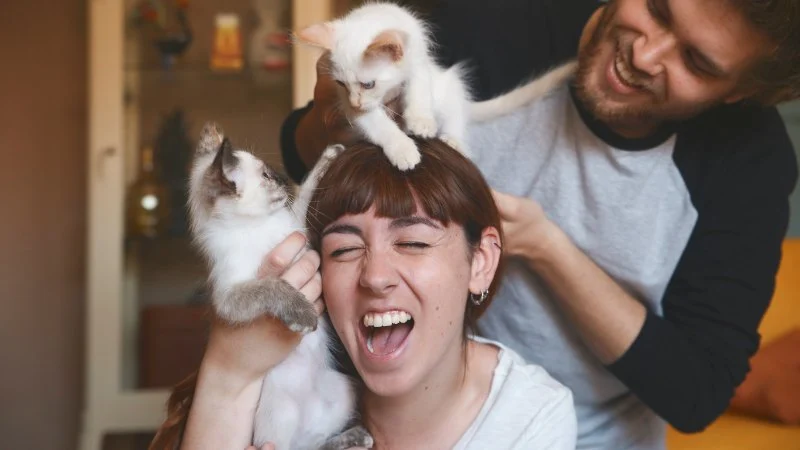
As pet owners, many of us have experienced the surprise of finding our kittens playing with—or worse, chewing on—hair ties. But why are hair ties so appealing to them? Kittens are naturally curious creatures and often explore the world by putting things in their mouths. Hair ties are small, stretchy, and lightweight, which makes them perfect for a kitten to bat around with their paws or chew on. Additionally, the texture and the ability to toss them into the air resemble toys that satisfy a kitten’s natural hunting instincts.
While it might seem harmless, this behavior can lead to serious health risks. In this article, we’ll explore the potential dangers of kittens eating hair ties and offer practical solutions to stop this behavior for good.

PetVet Vaccination Clinic
BarkhamstedNorthwest Hills Planning RegionConnecticut
380 New Hartford Rd, Barkhamsted, CT 06063, USA
2-The Risks of Kittens Eating Hair Ties
As fun as it might look when your kitten is playing with a hair tie, there are serious risks involved if they swallow or chew on one. Here are a few dangers associated with kittens eating hair ties:
- Choking Hazards: If your kitten swallows a hair tie, it could get stuck in their throat, leading to choking. Small objects like hair ties are difficult to pass through the digestive system and can cause severe discomfort or harm.
- Intestinal Blockages: Hair ties, especially the rubber bands, are not digestible and can lead to blockages in your kitten’s intestines. This is a medical emergency that requires immediate veterinary attention.
- Dental Damage: Kittens often chew on hair ties because they are small and chewy. However, this can lead to damaged teeth or gums, especially if they are chewing on hard plastic or rubber hair ties.
- Toxicity: Some hair ties contain chemicals or dyes that could be harmful to your kitten if ingested. While this is less common, it's important to be aware of any potential risks associated with the materials in hair ties.
To ensure your kitten’s safety, it's essential to discourage this behavior and keep hair ties out of reach. Let’s take a look at some effective methods for doing just that.

Vetco Vaccination Clinic
PiscatawayMiddlesex CountyNew Jersey
1333 Centennial Ave, Piscataway, NJ 08854, USA
3-Effective Ways to Stop Your Kitten from Eating Hair Ties
Stopping your kitten from eating hair ties involves both proactive prevention and redirecting their attention to safer toys. Here are some tried-and-true methods:
- Store Hair Ties Out of Reach: The simplest solution is to keep hair ties in a safe place where your kitten can’t access them. Store them in drawers or containers with tight lids to prevent them from being discovered.
- Provide Better Toys: Kittens are more likely to chew on things when they’re bored or lack appropriate toys. Offer a variety of engaging toys such as rubber balls, feather wands, and catnip-filled objects to keep them entertained and distracted from hair ties.
- Use Deterrent Sprays: There are sprays available that can make objects like hair ties taste unpleasant to kittens. These sprays are safe for pets and can be applied to hair ties and other items your kitten tends to chew on.
- Keep a Consistent Routine: Sometimes, kittens chew out of anxiety or excess energy. A consistent daily routine with playtime and bonding activities can help reduce the urge to chew on inappropriate items like hair ties.
By making hair ties less accessible and providing more engaging alternatives, you can help your kitten break this dangerous habit while keeping them entertained and safe.
4-Training Your Kitten to Avoid Hair Ties
Training your kitten to avoid chewing on hair ties requires patience and consistency. Here are a few steps to help you teach your kitten the right behaviors:
- Positive Reinforcement: When your kitten interacts with toys instead of hair ties, reward them with praise or a small treat. Positive reinforcement helps them learn which behaviors are desirable.
- Redirect Attention: If you catch your kitten chewing on a hair tie, gently redirect them to a toy. Over time, they’ll learn to associate certain objects with playtime and fun.
- Establish Boundaries: If your kitten is determined to play with hair ties, calmly remove them from the area and say “no” in a firm voice. Repetition and consistency are key to training.
Training takes time, but with patience and persistence, you’ll help your kitten learn healthier behaviors that keep them safe from dangerous chewing habits.
5-Why Choose Omnia Pet for Your Kitten’s Needs
If you’re looking for high-quality toys and accessories to help train and entertain your kitten, look no further than Omnia Pet. Omnia Pet offers a wide variety of safe, engaging toys that will help redirect your kitten’s attention from harmful objects like hair ties. From interactive toys to catnip-filled delights, Omnia Pet has everything you need to keep your kitten entertained and safe.
Visit Omnia Pet today to find the perfect toys and products to help with your kitten’s training and well-being!



 VCA East Meadow Animal Hospital4.0 (152 reviews)
 BluePearl Pet Hospital3.0 (657 reviews)
 Tustana Animal Hospital4.0 (213 reviews)
 Petco4.0 (2732 reviews)
 Banfield Pet Hospital4.0 (72 reviews)
 NV Innovative Products LLC0.0 (0 reviews)
 The Best Life Jacket for a Kitten in a Pool: Keep Your Feline Safe and Comfortable
 The Best DIY Cat Toys You Can Make in 5 Minutes
 The Top 10 Most Popular Kitten Names of 2024
 Everything You Need to Know About Spaying and Neutering Your Pet
 The Top 10 Most Instagram-Famous Pets and Their Stories
 The Top 10 Most Loyal Cat Breeds That Form Strong Bonds