
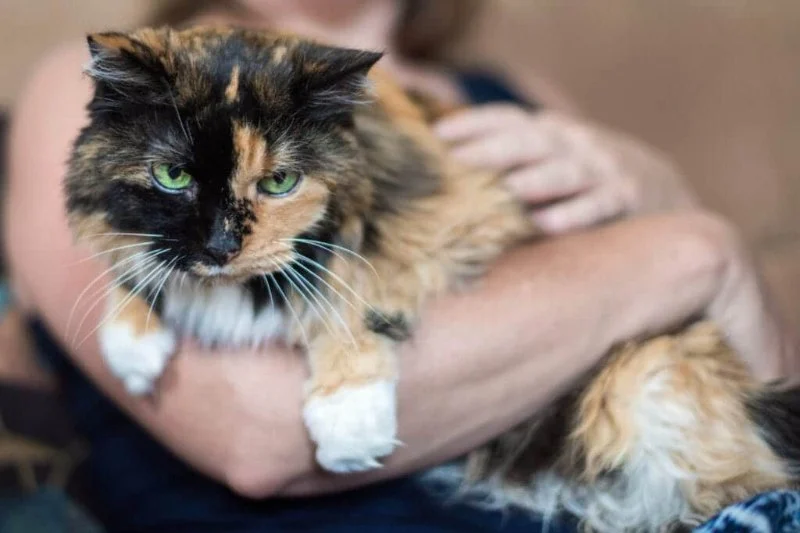
Why Is My Cat Afraid of Strangers? How to Socialize Them
It’s not uncommon for cats to be wary or even fearful of strangers, but why does this happen? Understanding your cat’s fear of unfamiliar people is essential for creating a safer and more comfortable environment for them. This article explores why your cat might be afraid of strangers and offers tips and strategies for socializing them to reduce anxiety and promote positive interactions.
- Understanding Cat Anxiety
- Why Cats Are Afraid of Strangers
- How to Socialize Your Cat
- Common Mistakes in Socialization
- The Benefits of Socializing Your Cat
Understanding Cat Anxiety
Feline anxiety is a common issue, especially when it comes to interacting with new people or environments. Unlike dogs, cats are generally more independent and territorial, so they can become easily overwhelmed by unfamiliar situations. It’s important to recognize the signs of anxiety in cats, such as hiding, growling, or hissing, and respond appropriately to help them feel secure.

Portsmouth Veterinary Clinic
PortsmouthNewport CountyRhode Island
944 E Main Rd, Portsmouth, RI 02871, USA
Signs of Anxiety in Cats
- Hiding or avoiding interaction
- Excessive grooming or scratching
- Dilated pupils or twitching tail
- Loss of appetite
- Hissing or growling
If your cat displays any of these signs when strangers are present, it’s likely that they are feeling anxious. Socializing them gently and gradually is key to helping them overcome their fears.

Why Cats Are Afraid of Strangers
There are several reasons why your cat may be fearful of strangers. Some of the most common causes include:
1. Lack of Early Socialization
Cats who were not properly socialized during their kittenhood may have a harder time adjusting to new people. Early socialization helps cats learn that humans and other animals are not threats, and that unfamiliar situations are not scary.
2. Natural Instincts
Cats are naturally cautious and territorial animals. This instinct can make them wary of anything or anyone they don’t recognize. Their heightened sense of smell and hearing makes them very sensitive to new scents, sounds, and the presence of strangers.
3. Negative Experiences
Some cats develop fear of strangers due to a negative experience in the past, such as being startled or mistreated by someone they didn’t know. This trauma can cause them to associate strangers with danger, leading to fear-based behaviors.
4. Lack of Trust
If your cat has not had many positive interactions with strangers, they may simply not trust them. Cats need time and patience to build trust with new people, especially if they are introverted or sensitive by nature.
How to Socialize Your Cat
Socializing your cat doesn’t happen overnight, but with time, patience, and consistency, you can help them become more comfortable around strangers. Here are some effective steps to socialize your cat:
1. Start Slowly and Gradually
Start by exposing your cat to strangers in a controlled environment. Allow them to observe the new person from a safe distance, and never force an interaction. Gradually decrease the distance between your cat and the stranger over time.
2. Positive Reinforcement
Use treats, praise, and gentle petting to reward your cat for calm behavior when a stranger is present. This positive reinforcement will help them associate new people with positive experiences, which can reduce fear.
3. Create Safe Spaces
Make sure your cat has a quiet, safe space to retreat to if they feel overwhelmed. This gives them control over their environment and reduces the stress of forced interactions.
4. Consistent Routine
Establish a consistent routine for socialization. Regular, positive encounters with new people can help your cat build confidence and feel more comfortable with strangers over time.
Common Mistakes in Socialization
While socializing your cat, it's easy to make mistakes that can inadvertently reinforce fear. Avoid these common errors:
1. Pushing Too Hard
Never force your cat to interact with strangers if they are not ready. This can increase their anxiety and reinforce the fear. Let your cat approach at their own pace.
2. Lack of Patience
Socialization takes time, and every cat is different. Some cats may take weeks or even months to feel comfortable with new people. Patience is key!
3. Inconsistent Exposure
If you only expose your cat to strangers once in a while, they may never get used to new people. Consistent, controlled exposure is necessary for success.
The Benefits of Socializing Your Cat
Socializing your cat can provide many benefits, not only for your cat but also for you and your household. Here are some reasons why it’s worth the effort:
1. Reduced Anxiety
Socialization can help reduce your cat’s overall anxiety levels. A well-socialized cat is less likely to exhibit fearful behaviors when strangers come over or when they are exposed to new environments.
2. Improved Behavior
Socialized cats are typically more confident and adaptable. They may be less likely to hide or react aggressively when meeting new people.
3. Stronger Bond
Socializing your cat can strengthen the bond between you and your pet. They will learn to trust you and may become more affectionate as they feel safer and more secure.
Are you looking for pet supplies or tips on training your cat? Visit Omnia Pet for all your feline needs, from toys to treats and more!






 Paw Prints Veterinary Hospital, Dr. Maryann Milford4.0 (7 reviews)
 Limehouse Veterinary Clinic4.0 (155 reviews)
 Community Pet Supplies Jericho Turnpike4.0 (55 reviews)
 MantisPlace.com3.0 (17 reviews)
 Stone Meadow Alpacas0.0 (0 reviews)
 Petland Largo4.0 (4579 reviews)
 Why Do Cats Meow? The Meaning Behind Different Meows
 The Best Weaning Foods for Kittens Transitioning from Milk
 Why Is My Kitten's Fur Changing Texture? Understanding the Causes
 How to Find a Reputable Dog Trainer in Your Area | Omnia Pet
 The Best Cat Tree for Kitten's Agility Training | Top Options for Your Kitten's Development
 The Best Litter Box Location for a Kitten's Needs