
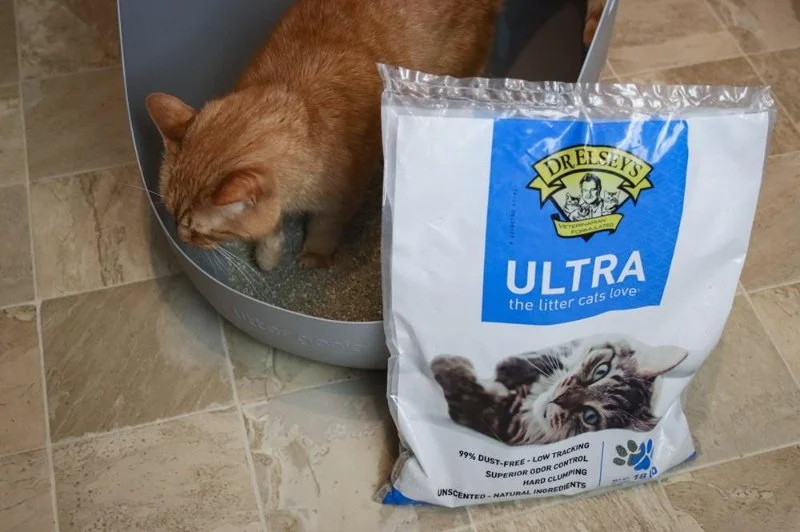
The Best Litter for Kittens with Dust Allergies
- Understanding Dust Allergies in Kittens
- Best Litter Options for Kittens with Dust Allergies
- How to Choose the Right Litter for Your Kitten
- Real-Life Story: A Kitten’s Journey to Comfort
- Final Tips for Managing Litter Allergies
Understanding Dust Allergies in Kittens
Just like humans, cats, including kittens, can develop allergies. One of the most common allergies in kittens is dust, which can be found in many types of cat litter. Kittens with dust allergies may experience symptoms such as sneezing, coughing, watery eyes, or even respiratory distress. Since kittens’ immune systems are still developing, they can be more susceptible to allergens, including dust from certain types of litter. If your kitten shows signs of respiratory issues or irritation when using a particular type of litter, it may be time to consider switching to a low-dust or hypoallergenic option to ensure their health and comfort.
Best Litter Options for Kittens with Dust Allergies
When choosing the right litter for kittens with dust allergies, it’s important to consider the type of material used in the litter. Some litters produce a lot of dust, which can irritate your kitten’s respiratory system. Fortunately, there are several options on the market that are specifically designed to be low-dust or dust-free while still offering excellent odor control and absorbency.
1. Clumping Clay Litter (Low-Dust Formulas)
Clumping clay litter, typically made from sodium bentonite, is one of the most popular choices for cat litter due to its excellent absorbency and ease of cleaning. However, traditional clumping clay litter can be quite dusty, which may be a problem for kittens with dust allergies. Fortunately, there are now low-dust versions of clumping clay litter available. These litters are made with specially processed clay that reduces dust production, making them a safer choice for kittens with respiratory sensitivities.
2. Silica Gel Litter
Silica gel litter is another great option for kittens with dust allergies. It’s made from silica crystals, which are highly absorbent and tend to create very little dust. Silica gel litter is excellent at trapping odors and moisture, making it a popular choice for both kittens and adult cats. Its dust-free formula can help minimize irritation for kittens with allergies, making it one of the best litter options for sensitive kittens.
3. Paper-Based Litter
Paper-based litter is another hypoallergenic option that’s gentle on a kitten’s sensitive respiratory system. Made from recycled paper, this litter is not only low-dust but also soft on your kitten’s paws. Paper litter is highly absorbent and provides excellent odor control, though it may not clump as well as clay-based litters. It’s an environmentally friendly option that’s perfect for kittens with dust allergies and for pet owners looking for sustainable products.
4. Wood-Based Litter
Wood-based litters, such as those made from pine or cedar, are natural, eco-friendly options that are also low in dust. These litters are made from compressed wood pellets or sawdust and are known for their natural odor-controlling properties. Wood-based litters tend to be less dusty than traditional clay litters, making them suitable for kittens with dust allergies. Additionally, they are biodegradable and can be composted, offering an environmentally conscious choice for pet owners.
5. Corn-Based Litter
Corn-based litter is another hypoallergenic alternative that’s gaining popularity. This type of litter is made from corn kernels and is highly absorbent, clumps well, and produces minimal dust. Corn-based litter is also biodegradable and can be an excellent option for kittens with allergies. It’s gentle on your kitten’s respiratory system while still offering strong odor control.
How to Choose the Right Litter for Your Kitten
Choosing the right litter for a kitten with dust allergies involves several factors beyond just the dust content. Here are some key considerations to keep in mind:
1. Dust-Free Formula
Ensure that the litter you choose is labeled as "low-dust" or "dust-free." Some litters are specifically designed for sensitive kittens, and they produce very little or no dust when your kitten digs around in the litter box. This is the most important factor for kittens with dust allergies.
2. Absorbency and Odor Control
Good absorbency is essential for keeping the litter box clean and odor-free. Look for litter that absorbs moisture quickly and effectively. Many hypoallergenic litters also offer great odor control, which is crucial for maintaining a pleasant environment for both you and your kitten.
3. Texture and Softness
Since kittens have delicate paws, it's important to choose a litter that is soft and comfortable for them. Litters made from paper, wood, or corn tend to be softer and more paw-friendly compared to traditional clay litters. Choose a litter that your kitten will feel comfortable using.
4. Eco-Friendliness
If you’re environmentally conscious, consider choosing a litter that is biodegradable and made from natural, renewable resources. Paper-based, corn-based, and wood-based litters are great eco-friendly options that are also gentle on your kitten’s health.
Real-Life Story: A Kitten’s Journey to Comfort
Meet Max, a playful kitten who developed signs of respiratory discomfort shortly after being adopted. Max’s owner noticed that he was sneezing and had watery eyes, especially after using the litter box. After consulting with a veterinarian, it was determined that Max was suffering from dust allergies caused by his traditional clay litter. His owner switched to a low-dust paper-based litter, and within a few days, Max’s symptoms improved. The change not only made Max more comfortable but also made cleaning the litter box easier. Max is now a healthy, happy kitten, and his owner is grateful for the switch to a hypoallergenic litter that keeps both Max and their home comfortable and clean.
Final Tips for Managing Litter Allergies
Finding the right litter for kittens with dust allergies can take some trial and error, but it’s essential for their health and comfort. Choose a litter that minimizes dust, offers great absorbency, and is gentle on their paws. Additionally, consider switching to natural, eco-friendly options for both your kitten’s well-being and the environment. For more advice on caring for your kitten, visit 【Omnia Pet】 for the best products and resources for your pet’s needs.

 Tufts Veterinary Emergency Treatment & Specialties4.0 (965 reviews)
 ScooperleashUSA brand0.0 (0 reviews)
 Syosset Animal Hospital4.0 (153 reviews)
 1st Class Aquarium4.0 (135 reviews)
 Petco4.0 (1166 reviews)
 Sunnyside Corals5.0 (164 reviews)
 Why Is My Kitten's Fur Changing Texture? Causes and Solutions for Pet Owners
 Why Does My Kitten Have a Bald Spot on Their Ear? Causes and Solutions
 How to Stop a Kitten from Overeating Dry Food: Tips and Solutions
 How to Create a Pet Memory Book After They Pass Away
 How to Tell if Your Kitten is a Maine Coon Mix – Signs and Characteristics to Look For
 How to Litter Train a Pet Rabbit Successfully – Tips and Techniques