
- 1 - Understanding Kitten Hair Loss: Common Causes
- 2 - Possible Causes of Bald Spots in Kittens
- 3 - When to Seek Veterinary Care for Bald Spots
- 4 - How to Prevent Hair Loss in Kittens
- 5 - How Omnia Pet Can Help
1. Understanding Kitten Hair Loss: Common Causes
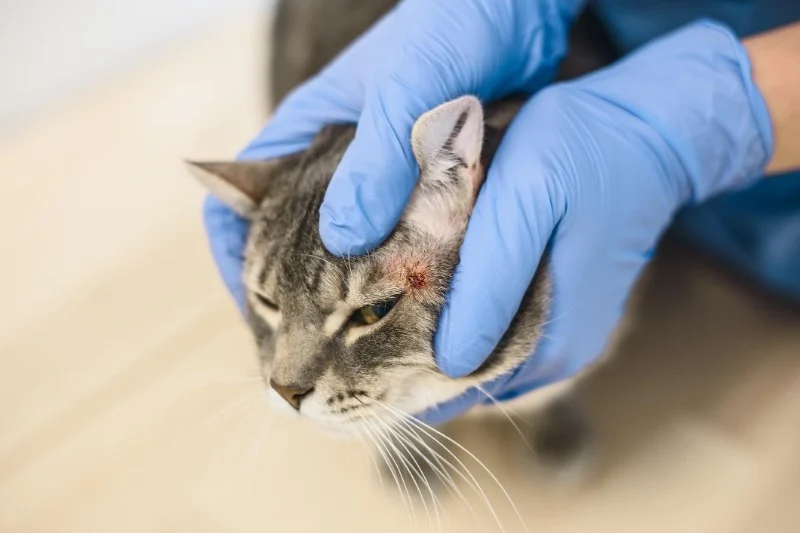
It can be concerning for a pet parent to notice that their kitten has a bald spot. While kittens are generally healthy and resilient, there are several common reasons why they may experience hair loss. Some of these causes are normal and temporary, while others could indicate an underlying health issue that requires attention. Understanding the reasons behind your kitten’s hair loss can help you address the situation appropriately and ensure that your kitten stays happy and healthy.
It’s important to keep in mind that kittens are still growing and developing. They go through stages of physical change, and shedding or hair loss can sometimes be part of that process. However, if the bald spot appears suddenly, or if the kitten seems to be in discomfort, it could point to a more serious condition that requires your attention.
2. Possible Causes of Bald Spots in Kittens
There are several reasons why a kitten may develop a bald spot. These are the most common causes of hair loss in kittens:
- Flea Infestation: Fleas are a common cause of hair loss in kittens, especially if they have been scratching or biting at their skin. Flea bites can cause itching and irritation, leading to hair loss in the affected areas.
- Ringworm: Ringworm is a fungal infection that can cause hair loss in patches. It’s highly contagious, so if you notice bald spots with redness or scaly skin, it’s essential to consult your vet for a diagnosis and treatment.
- Allergic Reactions: Allergies to food, environmental factors, or flea bites can lead to hair loss. If your kitten has a sensitivity or allergy, you may notice excessive scratching, biting, or licking, which can contribute to bald patches.
- Parasites: Besides fleas, other parasites such as mites or ticks can also cause hair loss. If your kitten is constantly scratching or appears uncomfortable, a parasite infestation could be the cause.
- Stress or Anxiety: Just like people, kittens can experience stress and anxiety. Over-grooming, biting, or licking the skin in response to stress can lead to bald spots, especially around the abdomen or legs.
- Hormonal Imbalances: Although less common, hormonal imbalances such as hypothyroidism or hyperthyroidism can lead to hair thinning or bald spots in kittens. If other symptoms are present, a vet visit is necessary for proper diagnosis and treatment.
Each of these causes has different implications for treatment, so it’s crucial to observe your kitten for other symptoms to help determine the appropriate next steps.
Skyline Animal Hospital
Thousand OaksVentura CountyCalifornia
74 N Skyline Dr, Thousand Oaks, CA 91362, USA
3. When to Seek Veterinary Care for Bald Spots
While minor hair loss in kittens can be normal during their early months, there are certain signs that indicate it’s time to consult a vet. If your kitten’s bald spot is accompanied by the following symptoms, veterinary care is necessary:
- Signs of Infection: If the bald spot is accompanied by redness, swelling, pus, or an unpleasant odor, it could indicate an infection that needs medical treatment.
- Excessive Itching: If your kitten seems to be scratching or biting at the spot excessively, it could be a sign of flea infestation, allergies, or other irritants that require veterinary intervention.
- Sudden or Rapid Hair Loss: If the hair loss appears suddenly or seems to be spreading quickly, it’s important to consult a vet to rule out any serious conditions.
- Behavioral Changes: If your kitten is unusually lethargic, has a loss of appetite, or is showing other signs of illness, it’s best to seek veterinary care to ensure the health issue is properly addressed.
In these cases, a vet will be able to diagnose the underlying cause and recommend the appropriate treatment plan to address the issue and prevent further hair loss.
4. How to Prevent Hair Loss in Kittens
Preventing hair loss in kittens involves a combination of good care, proper hygiene, and addressing any underlying health issues early on. Here are some tips to help prevent your kitten from developing bald spots:
- Regular Grooming: Regular brushing can help prevent matting, remove loose fur, and reduce the chances of your kitten developing skin conditions. It also helps reduce shedding and allows you to monitor for any unusual skin changes.
- Maintain Flea Control: Flea prevention is crucial for keeping your kitten healthy. Use vet-approved flea preventatives to avoid flea infestations, which can lead to itching and hair loss.
- Proper Diet: A balanced, nutritious diet is essential for healthy skin and fur. Make sure your kitten’s food contains the necessary vitamins and nutrients, including omega-3 and omega-6 fatty acids, which promote healthy coat growth.
- Minimize Stress: Reducing stress is vital for your kitten’s overall well-being. Create a calm and secure environment for your kitten, with plenty of interactive toys, regular playtime, and a safe space to retreat to when needed.
- Early Vet Check-Ups: Regular veterinary check-ups can help catch health issues early. Your vet can monitor your kitten’s development and address any potential problems, including hormonal imbalances or skin conditions, before they become more serious.
By following these preventative measures, you can help ensure your kitten grows up healthy, happy, and free from hair loss issues.
5. How Omnia Pet Can Help
At Omnia Pet, we understand how important it is to take care of your kitten’s health and well-being. Whether you’re looking for grooming tools, flea prevention products, or high-quality kitten food, we offer a variety of products designed to support your kitten’s growth and development.
Visit Omnia Pet to explore our wide selection of products that can help keep your kitten’s coat healthy and prevent hair loss. Our team is here to provide expert advice and help you find the best solutions for your furry friend!


 Petco4.0 (1296 reviews)
 Loros Exoticos Baltimore4.0 (32 reviews)
 Pet Shield Veterinary Hospital4.0 (89 reviews)
 Dr. Wolf's Animal Medical Center4.0 (61 reviews)
 Banfield Pet Hospital4.0 (176 reviews)
 Banfield Pet Hospital3.0 (262 reviews)
 Understanding Kitten Food Allergies: Symptoms and Solutions
 Understanding Kitten Spay: Laparoscopic vs. Traditional Procedures
 The Pros and Cons of Getting a Kitten for Christmas
 Best Ways to Prevent and Treat Fleas and Ticks on Your Pet Naturally
 The Truth About Probiotics for Dogs: Do They Really Work?
 How to Stop a Kitten from Suckling on Blankets