
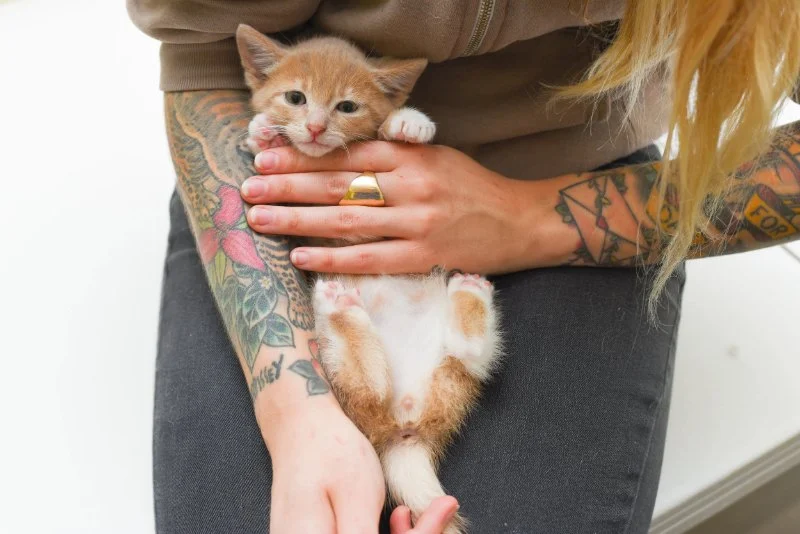
How to Tell if Your Kitten is a Boy or Girl Accurately
- Understanding Kitten Gender
- Physical Signs of Kitten Gender
- Behavioral Indicators of Gender
- Common Mistakes in Identifying Kitten Gender
- Real-Life Experiences and Stories
1. Understanding Kitten Gender
When you bring home a kitten, one of the first things you might wonder is whether it’s a boy or girl. Identifying kitten gender accurately is an important part of caring for your new pet, especially when it comes to scheduling spaying or neutering, and understanding their behavior and health needs. The good news is that it’s relatively easy to identify a kitten’s gender once you know the key differences between males and females. In this article, we will walk you through the simple steps to help you identify whether your kitten is a boy or girl.
2. Physical Signs of Kitten Gender
The most reliable way to tell if a kitten is male or female is by observing physical traits. The key differences lie in the distance between the anus and genital opening. In male kittens, the distance between these two openings is longer, and you’ll notice a small, round shape (the scrotum) that may contain small testicles. In contrast, female kittens have a shorter distance between the anus and genital opening, and their genital area is more of a vertical slit.
Here’s how to identify the gender:
- Males: Longer distance between anus and genital opening. You may see a small, round bulge in the genital area (scrotum with testicles).
- Females: Shorter distance between anus and genital opening. The genital area appears as a vertical slit without a bulge.
It’s important to note that this method becomes easier when the kitten is a few weeks old. The older the kitten, the clearer these physical markers become, making gender identification more straightforward.
3. Behavioral Indicators of Gender
In addition to physical signs, some people claim that a kitten’s behavior can give clues about their gender. While these indicators are not as reliable as physical characteristics, they can sometimes offer additional insights.
Male kittens may be more likely to display behaviors such as marking territory or being more active and adventurous. On the other hand, female kittens may be slightly more independent or calm, though this can vary widely based on the kitten’s personality and environment. It’s essential to remember that behavioral differences are subtle in kittens, and gender behavior differences become more pronounced as they grow into adulthood.
4. Common Mistakes in Identifying Kitten Gender
One of the most common mistakes in determining a kitten’s gender is misinterpreting the genital area. It can be easy to confuse a female kitten’s genital slit with the male kitten’s anus if you’re not careful, especially in very young kittens. Another mistake is thinking that male kittens will always have visible testicles early on, but in some cases, they may not be easily seen until later.
To avoid mistakes, always ensure the kitten is calm and relaxed before trying to examine them. If you’re unsure about the gender, you can consult with a vet, who can provide a professional assessment.
5. Real-Life Experiences and Stories
Many pet owners have shared their experiences of discovering their kitten’s gender, some humorous and some more challenging. For example, one pet owner thought their kitten was a girl for weeks, only to realize after a vet visit that it was a boy. Another story comes from a couple who adopted a kitten, only to be told by their vet that the kitten was a girl—an unexpected surprise given its initial behavior. These real-life stories highlight the importance of knowing how to check for kitten gender accurately and the surprises that can happen when you’re unsure.
Conclusion:
Identifying whether your kitten is a boy or girl doesn’t have to be complicated. By carefully examining the kitten’s genital area and considering their behavior, you can accurately determine their gender. If in doubt, always consult with a veterinarian for confirmation. Knowing your kitten’s gender is an important part of responsible pet ownership, helping you take better care of your new furry friend. If you're looking for the best products and services for your kitten, visit Omnia Pet to explore a wide range of items tailored to your pet’s needs.






 Hollywood Feed4.0 (310 reviews)
 Chuck & Don's Pet Food & Supplies4.0 (191 reviews)
 Pet Shop JC Gomez3.0 (48 reviews)
 Riverdale Animal Hospital4.0 (156 reviews)
 Nightynight Cattery5.0 (1 reviews)
 Island Trees Veterinary Hospital4.0 (317 reviews)
 Why Does My Kitten Have a Bald Spot on Their Ear? Causes and Solutions
 The Best Cat Flaps for Training a Kitten to Go Outside
 How to Introduce Your Kitten to a New Type of Food
 How to Stop a Kitten from Overeating Dry Food: Tips and Solutions
 The Dangers of Antifreeze for Pets and How to Prevent Poisoning
 How to Tell if Your Kitten is Part Wildcat – Signs and Characteristics to Look For