
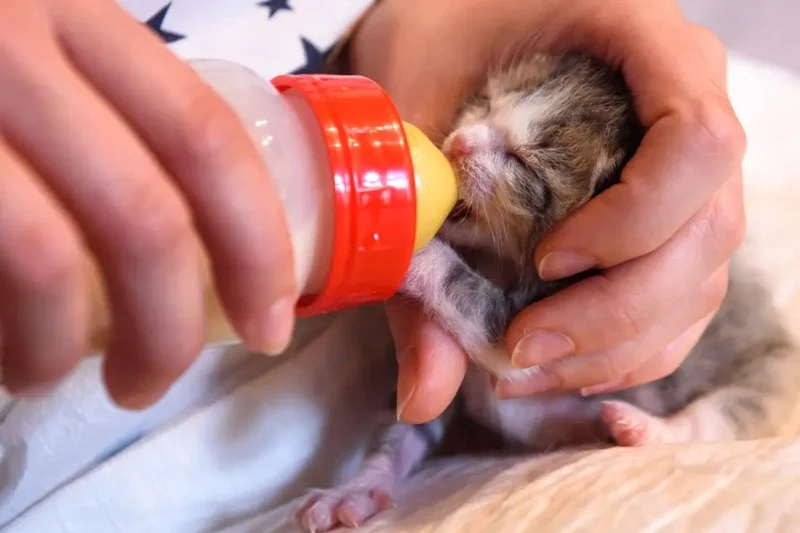
- 1 - Why Weaning Kittens is Important
- 2 - When to Start Weaning Your Kitten
- 3 - Step-by-Step Guide to Weaning Your Kitten
- 4 - Common Challenges When Weaning Kittens
- 5 - Tips for Successful Kitten Weaning
1. Why Weaning Kittens is Important
Weaning a kitten off bottle feeding is a crucial step in their development. It marks the transition from milk, which provides all of their early nutritional needs, to solid food. This process is important because it helps kittens learn to eat independently and ensures they are getting the appropriate nutrients for their growing bodies.
Without proper weaning, a kitten may not receive the full spectrum of nutrients it needs to thrive, and its digestive system might not fully develop to handle solid food. Additionally, transitioning to solid food promotes healthy growth and prepares the kitten for a more independent life.
Norfolk County Veterinary Service
WalpoleNorfolk CountyMassachusetts
1428 Main St #7, Walpole, MA 02081, USA
2. When to Start Weaning Your Kitten
Most kittens can begin the weaning process around 4 weeks of age, but the exact timing can vary. Some kittens may start showing interest in solid food as early as 3 weeks, while others might not be ready until 5 weeks. A good indicator that it's time to start weaning is when the kitten begins to show curiosity about food, and is able to eat small amounts of solid food on its own.
It’s important to start gradually and not rush the process, as the kitten’s digestive system needs time to adapt. Full weaning typically takes 8 to 10 weeks, but this can vary depending on the kitten's growth and readiness.
3. Step-by-Step Guide to Weaning Your Kitten
Weaning a kitten is a process that should be done gradually to avoid upsetting its stomach. Here’s a step-by-step guide to ensure a smooth transition:
3.1. Start with a Kitten Formula Mixed with Wet Food
Start by mixing kitten formula (or kitten milk replacement) with wet food or a specially formulated kitten gruel. Begin with a mixture that is mostly formula, then gradually increase the amount of solid food while decreasing the formula ratio. This allows the kitten's digestive system to adjust to the new food.
3.2. Introduce Dry Food Gradually
Once your kitten is accustomed to a wet food and formula mixture, you can begin introducing dry food. Make sure the dry food is designed specifically for kittens, as it contains the right balance of nutrients they need for growth. Soften the dry food with a bit of water or formula to make it easier for the kitten to chew and digest.
3.3. Offer Solid Food in Small Doses
Place the food in a shallow dish and encourage your kitten to explore it. Gently guide the kitten to the dish by dipping its nose into the food. Avoid forcing it to eat, but offer food at regular intervals, ideally three to four times a day. At this stage, some kittens may still prefer bottle-feeding, so allow them to suckle occasionally while transitioning.
3.4. Gradually Reduce Bottle Feeding
As the kitten becomes more comfortable with solid food, start reducing the amount of bottle feeding. Eventually, you should be able to eliminate bottle feeding entirely, replacing it with meals made up of solid food. Ensure the kitten always has access to fresh water to stay hydrated during this transition.
4. Common Challenges When Weaning Kittens
While weaning is a natural part of a kitten’s development, it can come with its challenges. Here are some common hurdles you may encounter:
4.1. Refusal to Eat Solid Food
It’s common for kittens to initially refuse solid food, especially if they’ve been bottle-fed for a long time. If your kitten is hesitant to eat, try offering a variety of textures, such as smooth or chunky wet food, and adjust the mixture of formula and food until they become interested.
4.2. Digestive Upset
Some kittens may experience digestive upset as they transition from milk to solid food. If this happens, slow down the weaning process and give your kitten’s digestive system more time to adjust. You can also consult a veterinarian for advice on managing any tummy troubles.
4.3. Not Drinking Enough Water
When switching to solid food, kittens might not drink enough water. Make sure fresh water is always available, and consider offering wet food, which contains a lot of moisture, to help keep your kitten hydrated.
5. Tips for Successful Kitten Weaning
Here are some expert tips to help ensure your kitten's weaning process is as smooth as possible:
5.1. Be Patient
Weaning is a gradual process that takes time. It’s important to be patient and not rush your kitten. Some kittens will adapt more quickly than others, so allow your kitten to go at its own pace. Gradual changes are key to making sure your kitten adjusts comfortably.
5.2. Keep a Clean Eating Area
Ensure the eating area is clean to avoid any potential health issues. Clean the dishes after each feeding and provide fresh food each time. This helps to maintain good hygiene and encourages healthy eating habits in your kitten.
5.3. Consult Your Veterinarian
If you’re unsure about the best approach or if your kitten is having difficulty adjusting, don’t hesitate to consult your veterinarian. They can provide tailored advice and recommend the best course of action for your kitten’s health and development.
For more information on kitten care and the best products for bottle feeding and weaning, be sure to check out Omnia Pet. We offer a variety of kitten food, feeding supplies, and expert advice to guide you through your kitten’s growth stages.



 Back Road Reptiles and Exotics4.0 (77 reviews)
 Newport Animal Clinic4.0 (14 reviews)
 NYC Veterinary Specialists and 24 Hour Animal Emergency - Queens1.0 (9 reviews)
 Petco4.0 (543 reviews)
 Eastside Veterinary Clinic4.0 (209 reviews)
 Aquebogue Veterinary Hospital4.0 (199 reviews)
 The Best Ways to Build a Kitten's Immune System: Expert Tips for a Healthy Start
 Why Does My Cat Bite Me Gently? Love Bites Explained
 Best Ways to Help Your Local Animal Shelter Without Donating Money
 The Top 10 Rare Cat Breeds You've Never Heard Of
 The Science of a Kitten's Sense of Smell
 How to Tell if Your Kitten is a Maine Coon Mix – Signs and Characteristics to Look For