
- 1. Understanding Double Coats in Kittens
- 2. Why Does My Kitten Have a Double Coat?
- 3. Common Breeds with Double Coats
- 4. How to Care for a Kitten with a Double Coat
- 5. Tips for Grooming Your Double-Coat Kitten
1. Understanding Double Coats in Kittens
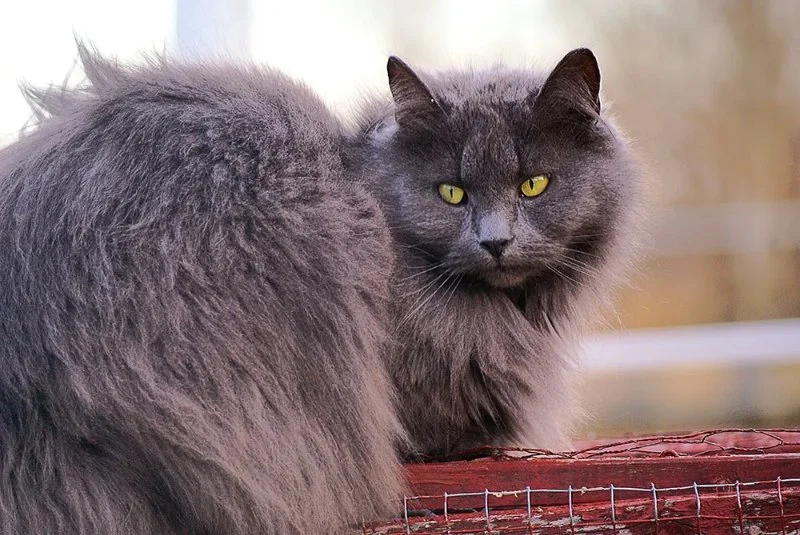
A double coat refers to the two-layered fur structure found in some cats. The top layer is made up of longer, coarser guard hairs, while the undercoat is shorter, softer, and denser. This double-layer structure is designed to protect the cat from extreme weather conditions, providing insulation and helping them maintain body temperature.
Vetco Vaccination Clinic
FeastervilleBucks CountyPennsylvania
97 E Street Rd, Feasterville, PA 19053, USA
2. Why Does My Kitten Have a Double Coat?
It’s completely normal for some kittens to have a double coat. This coat type is a natural characteristic that is inherited from their breed or genetic lineage. A double coat provides insulation and protection for cats living in colder climates, but it also helps cats adapt to various temperatures. While kittens typically shed their baby fur as they grow, some will continue to develop and maintain a double coat into adulthood.

2.1 Insulation and Protection
The primary function of a double coat is insulation. The undercoat traps air close to the kitten's skin, providing warmth, while the outer layer of guard hairs shields the kitten from environmental elements like rain or snow. This structure makes kittens with double coats well-suited for varying climates, especially those that experience colder seasons.
2.2 Breed Heritage
Some kittens inherit a double coat from their breed. Breeds such as Maine Coons, Persians, and Siberians are known for having double coats due to their origins in colder regions. These kittens’ coats are specially adapted to protect them from the elements, and the genetic makeup of the breed dictates the development of this unique coat structure.
3. Common Breeds with Double Coats
Several cat breeds are known for having double coats. Here are some common breeds with this fur type:
3.1 Maine Coon
The Maine Coon is one of the most well-known double-coated breeds. They have a long, thick coat with a dense undercoat that helps them stay warm in cold climates. Their fur is water-resistant, and they have tufted ears and paws, further helping them navigate harsh conditions.
3.2 Persian
Persian cats have a luxurious double coat that requires regular grooming. Their dense undercoat helps keep them warm, while the long guard hairs create a silky, flowing outer layer. Persian cats are known for their calm and affectionate nature, but they require diligent care to maintain the beauty of their coats.
3.3 Siberian
The Siberian cat, native to Russia, also sports a double coat. Their dense undercoat is designed to protect them in cold weather, and the topcoat is water-repellent. Siberians are active, playful cats, and their coats require regular care to avoid matting.
4. How to Care for a Kitten with a Double Coat
Caring for a kitten with a double coat requires some attention to grooming and overall care. Double-coated kittens typically need regular brushing to prevent matting, as their dense undercoat can tangle and trap loose hair. Additionally, regular bathing, as well as a healthy diet, are important factors in maintaining a shiny, healthy coat.
4.1 Regular Brushing
Brushing your kitten’s double coat at least 2-3 times a week is important to keep it smooth and free from tangles. Use a wide-toothed comb or a slicker brush to work through the layers of fur. Brushing helps remove loose hairs, reduces shedding, and prevents the undercoat from matting.
4.2 Bathe When Needed
While kittens generally don't need frequent baths, occasional bathing can help keep their coats clean and free of dirt. Ensure that you use a kitten-safe shampoo and carefully dry them afterward to avoid chilling, as their double coat can retain moisture longer than a single coat.
4.3 Healthy Diet
A balanced, nutritious diet is essential for your kitten’s fur health. Ensure they are eating high-quality kitten food that supports coat and skin health, rich in omega-3 and omega-6 fatty acids. This will help maintain a shiny, healthy coat and reduce excessive shedding.
5. Tips for Grooming Your Double-Coat Kitten
Proper grooming techniques are essential for double-coated kittens. Here are some tips to help you groom your kitten effectively:
5.1 Use Proper Grooming Tools
When grooming your kitten, use a brush designed specifically for double coats, such as a pin brush or a deshedding tool. These tools can help reach the undercoat and remove any tangles without damaging the outer layer. Regularly inspect your kitten's coat for mats and tangles, especially around areas like the belly and underarms.
5.2 Start Grooming Early
Start grooming your kitten at an early age so they become accustomed to the process. This not only makes grooming easier but also helps prevent any negative associations with the brush or comb. Gentle grooming can be a bonding experience for you and your kitten.
5.3 Visit Professional Groomers
If you're unsure about how to properly groom your kitten's double coat, consider visiting a professional groomer. Groomers are skilled at handling different coat types and can help ensure your kitten’s fur stays in top condition, especially if your kitten has a particularly thick coat.
For the best grooming tools and products for your kitten, check out Omnia Pet. We offer a wide range of grooming supplies that are perfect for kittens with double coats, helping you maintain your kitten’s beautiful fur.

 South Brooklyn Animal Clinic4.0 (50 reviews)
 Pet Supermarket4.0 (449 reviews)
 Liberty Veterinary Clinic4.0 (279 reviews)
 Petco4.0 (394 reviews)
 Creation Pet4.0 (446 reviews)
 Birdsmart4.0 (163 reviews)
 Why Do Kittens Have Blue Eyes at First?
 Best Holiday Gifts for Dog and Cat Lovers | Gift Ideas for Pet Owners
 How to Stop Your Cat from Yowling Excessively
 The Best Litter for Kittens Who Track It Everywhere – Keep Your Home Clean
 The Proven Health Benefits of Owning a Pet
 Why Is My Dog Drinking So Much Water? Potential Health Issues and What to Do