
- 1. Introduction to Multiple Cat Litter Box Setups
- 2. Choosing the Right Litter Box for Multiple Cats
- 3. Litter Box Placement Tips
- 4. Cleaning and Maintenance for Multiple Cats
- 5. Managing Litter Box Stress for Cats
- 6. Where to Find the Best Litter Box Products
1. Introduction to Multiple Cat Litter Box Setups
When you have multiple cats, one of the biggest challenges you'll face is creating an efficient and hygienic litter box setup. Cats are creatures of habit, and maintaining a clean, accessible litter box is essential for their well-being. The right litter box setup not only keeps your home clean but also minimizes stress for your cats, ensuring they are happy and healthy.
In this article, we will explore the best practices for setting up a litter box system that works for multiple cats. From choosing the right litter box to maintaining cleanliness, we'll provide valuable insights and tips to help you manage your feline household more effectively.

2. Choosing the Right Litter Box for Multiple Cats
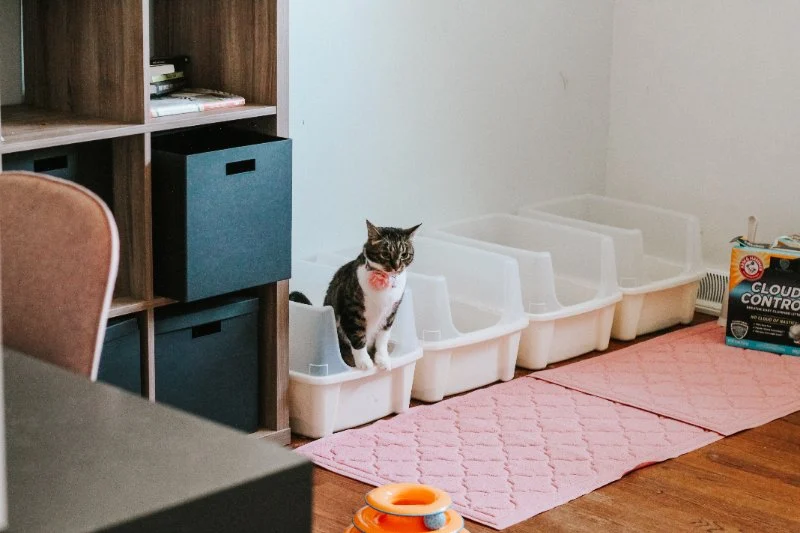
When you have several cats, it's important to consider both the number and type of litter boxes you need. A common rule of thumb is to have one litter box per cat, plus one extra. For example, if you have three cats, you should have at least four litter boxes. This ensures that each cat has their own space and reduces the chance of territorial disputes.
Here are a few types of litter boxes that work well in multi-cat households:
- Covered Litter Boxes: These provide privacy for your cats and help contain odors, making them ideal for multi-cat households. However, some cats may not like covered boxes, so it's important to observe your cats' preferences.
- Open Litter Boxes: These are more accessible and allow your cats to feel less confined. Many cats prefer open litter boxes, especially if they are more social. These boxes are also easier to clean.
- Self-Cleaning Litter Boxes: These automatic boxes clean themselves after each use, which is perfect for a busy home. While they are a bit pricier, they can save time and effort in maintaining cleanliness.
3. Litter Box Placement Tips
Where you place the litter boxes in your home is just as important as the type of litter box you choose. Cats are very particular about their litter box location, and improper placement can lead to accidents or stress.
Here are some tips for effective litter box placement:
- Avoid High-Traffic Areas: Cats like their privacy, so place the litter boxes in quiet, low-traffic areas where your cats can use them without disturbance.
- Spread Out the Boxes: If you have multiple floors, place litter boxes on different levels of your home to ensure easy access for your cats, especially if some are shy or have mobility issues.
- Separate from Food and Water: Cats do not like to eliminate near their food or water, so keep the litter boxes in separate areas to avoid stress and encourage regular use.
4. Cleaning and Maintenance for Multiple Cats
Maintaining a clean litter box is essential for the health and happiness of your cats. Cats are fastidious creatures, and a dirty litter box can lead to behavioral issues, such as inappropriate elimination. Regular cleaning is also key to preventing odors and keeping your home smelling fresh.
For a multi-cat household, it’s important to clean the litter boxes at least once a day. Here are some maintenance tips:
- Daily Scooping: Scoop out waste and clumps daily to prevent buildup and odors. This is especially important in a multi-cat home where litter boxes can get dirty quickly.
- Full Litter Change: Once a week (or more often, depending on the number of cats), replace the litter entirely and clean the box with mild soap and water to keep it fresh and sanitary.
- Use High-Quality Litter: Invest in good-quality, clumping litter that helps trap moisture and odors. Some litters are specifically designed for multi-cat households and offer superior odor control.
5. Managing Litter Box Stress for Cats
In multi-cat households, some cats may experience stress or anxiety related to the litter box, especially if there are territorial disputes or if they feel the box is not clean enough. Here are some strategies to help manage litter box stress:
- Multiple Boxes for Multiple Cats: Ensure that you have enough litter boxes to go around, as mentioned earlier. Overcrowded boxes can lead to stress and accidents.
- Keep Boxes Clean: Cats are very clean animals, and a dirty box can cause them to avoid using it. Ensure that your litter boxes are cleaned regularly to keep stress at bay.
- Monitor Cat Behavior: If one of your cats is showing signs of aggression or reluctance to use the litter box, there may be underlying behavioral issues. Consider consulting with a veterinarian or animal behaviorist to address any concerns.
6. Where to Find the Best Litter Box Products
At Omnia Pet, we offer a wide range of products to help you create the perfect litter box setup for your multi-cat household. From high-quality litter and odor-control solutions to durable and easy-to-clean litter boxes, we have everything you need to keep your cats happy and your home clean.
Visit Omnia Pet today to browse our selection of litter box products designed for multi-cat households. With our expert advice and top-notch products, you can create a stress-free and hygienic environment for your cats.





 Pure Pawfection0.0 (0 reviews)
 Salties2.0 (43 reviews)
 All Friends Veterinary Hospital4.0 (235 reviews)
 WestieWeens Pet Boutique5.0 (12 reviews)
 Heavenly Puppys4.0 (6 reviews)
 VIP Petcare Vaccination Clinic0.0 (0 reviews)
 How to Cat-Proof Your Christmas Tree and Ornaments: Tips to Keep Your Tree Safe
 Why Is My Kitten's Fur Changing Texture? Causes and Solutions for Pet Owners
 Understanding Kitten Weaning: How to Transition to Solids
 How to Create a Safe Outdoor Enclosure for Your Cat
 The Best Ways to Help a Kitten with Gas Pains
 A Guide to Feline Ringworm: How to Treat It in Your Home