
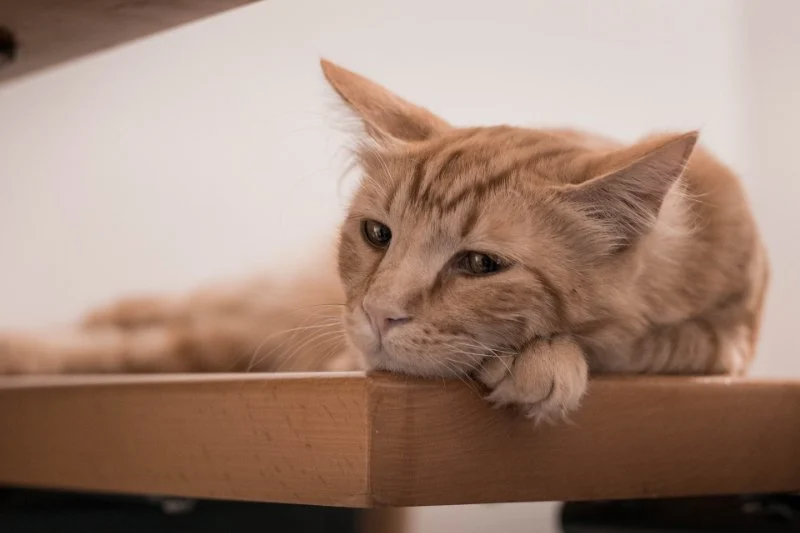
1. Understanding Grief in Cats
Just like humans, cats can experience grief when they lose a companion, whether another pet or a family member. While cats may not express their emotions the same way we do, their behavior often changes after the loss of a pet. Understanding these changes is the first step in helping your cat through the grieving process. Grief can manifest in various forms, such as changes in eating habits, vocalizations, or increased hiding.
It’s important to note that cats grieve in their own way, and the intensity of their grief can vary depending on their personality and the relationship they had with the other pet. Some cats may become more affectionate, while others may withdraw and seek solitude. Recognizing the signs of grief in your cat will allow you to better provide the support they need during this emotional time.

2. Signs Your Cat is Grieving
Understanding the specific signs of grief in cats can help you determine how best to support them. Here are some common behaviors that may indicate your cat is grieving:
- Loss of appetite: Your cat may stop eating or drink less water, a common sign of stress or sadness.
- Change in behavior: Cats may become more clingy or, conversely, more withdrawn, depending on how they process the loss.
- Increased vocalization: Some cats may meow more frequently or differently, possibly as a way of expressing distress.
- Sleep disturbances: Grieving cats may sleep more or less than usual, or they may sleep in places they previously avoided.
- Litter box issues: A grieving cat might stop using their litter box or may begin to eliminate outside of it due to stress.
If you notice these behaviors in your cat after the loss of a pet, it’s important to offer support and consider consulting a vet if the behavior persists or worsens over time.

3. Steps to Help a Grieving Cat
Helping your cat through the grieving process can require patience and a few adjustments to their environment. Here are some practical steps to take:
3.1 Maintain a Stable Routine
Cats find comfort in routine, so try to maintain a consistent schedule for feeding, playtime, and rest. This predictability can help reduce the stress caused by the change in the household dynamics. If you are able, keep the other pet’s belongings, such as their bed or toys, in place for a while, so your cat can gradually adjust to the absence.
3.2 Provide Extra Comfort and Affection
While some cats may seek solitude, others may need more attention and comfort from their owner. Spend more time with your cat, offering gentle petting or even sitting with them quietly. Some cats may appreciate extra playtime or the presence of familiar items that help them feel safe, such as a favorite blanket or toy.
3.3 Offer Fresh Food and Water Regularly
Grieving cats may lose their appetite, so it's important to provide fresh food and water regularly. You may need to try offering different types of food, such as wet food or special treats, to encourage eating. If your cat continues to refuse food, or if there is a significant weight loss, contact your vet for further advice.
3.4 Allow Your Cat to Mourn in Their Own Way
It’s important to give your cat the space they need. Some cats may retreat to a quiet corner and prefer to be alone for a while. Allow them to process the loss at their own pace, and avoid forcing them to interact if they seem disinterested. Grieving can take time, and every cat mourns differently.
3.5 Introduce a New Pet When the Time Is Right
Introducing a new pet into the household is a decision that should be made with caution. While some cats may benefit from the companionship of another animal, others may struggle to adjust. If you choose to adopt a new pet, do so only when your grieving cat has had sufficient time to process the loss, and always introduce the new pet slowly and carefully to avoid added stress.
4. Case Study: Helping a Grieving Cat Through Pet Loss
Consider the case of Bella, a 7-year-old domestic shorthair, who recently lost her 9-year-old canine companion, Max. Bella was visibly distressed, hiding more frequently and becoming less affectionate. Bella’s owner, Sarah, immediately noticed the change and started by maintaining her usual feeding schedule and spending more time with Bella. She also gave Bella extra space to grieve in her favorite quiet spots.
After a week, Sarah began offering Bella more interactive toys and new, flavorful food to encourage her appetite. Slowly, Bella started eating again and showed signs of wanting to cuddle. Over time, Sarah introduced a new cat toy that Bella seemed to enjoy, and after about a month, Bella’s behavior returned to normal. Sarah learned that being patient and offering comfort, without rushing the process, helped Bella heal.
5. When to Seek Professional Help
If your cat’s grief seems prolonged or if they begin to exhibit serious health issues, such as prolonged refusal to eat or drink, it’s important to consult a veterinarian. A vet can rule out any physical health problems and may also offer advice on managing your cat’s emotional distress. In some cases, a veterinary behaviorist may be able to provide additional support in addressing your cat’s grief.
Helping a grieving cat requires time, patience, and understanding. By offering comfort, maintaining a stable environment, and observing your cat’s emotional needs, you can help them adjust to the loss of a companion. If you need more advice or products to support your grieving cat, visit Omnia Pet for recommendations on pet care and comfort during difficult times.





 Big Fish Custom Acrylic Aquariums5.0 (80 reviews)
 Curious Pets and Curiosities, Inc4.0 (865 reviews)
 Midwest Bully Supply llc0.0 (0 reviews)
 Las Vegas Exotic Fish4.0 (87 reviews)
 VCA ASEC3.0 (216 reviews)
 emotionLLC0.0 (0 reviews)
 Common Diseases in Betta Fish and How to Treat Them
 The Best DIY Cat Toys You Can Make in 5 Minutes
 Why Is My Kitten's Belly Button Showing? | Omnia Pet
 How to Stop Your Kitten from Getting Car Sick
 How to Teach Your Dog Basic Obedience Commands (Sit, Stay, Come)
 How to Stop Your Kitten from Digging in Potted Plants