
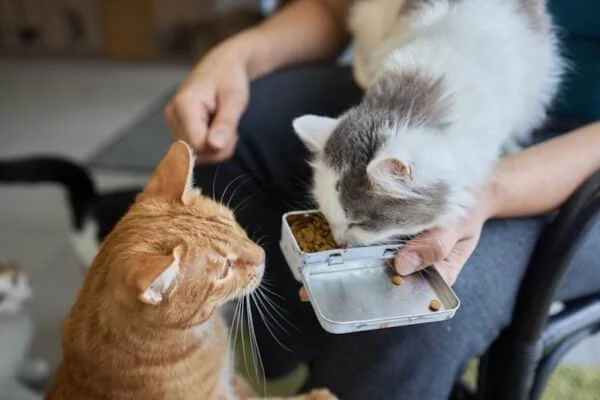
1- Understanding Your Kitten's Diet Needs
When bringing a new kitten into your home, one of the most important decisions you'll make is what type of food to feed them. Kittens are in a critical stage of growth, and their diet plays a key role in their development. The right kitten food should be rich in protein, fat, and essential nutrients to support their growth, energy levels, and immune system.
It's important to understand that kittens have different dietary needs compared to adult cats. Kitten food is specifically designed to meet the high energy demands of a growing cat. The right food can make a big difference in their overall health and well-being.

2- Why You Might Want to Change Your Kitten's Food
There are several reasons why you might need to change your kitten’s food:
- Health Concerns: If your kitten has allergies, sensitivities, or digestive issues, your vet might recommend a different food to help address these concerns.
- Dietary Preferences: Some kittens may simply not like the food they’ve been given, which can lead to poor eating habits.
- Age and Growth: As your kitten matures, they may need a different formula to support their ongoing growth or to transition to adult food.
Changing your kitten's food can be a natural part of their development, but it's important to do it gradually to ensure they adjust well and avoid any digestive issues.

3- Step-by-Step Guide to Introducing New Food to Your Kitten
Introducing a new food to your kitten should be done slowly and carefully to avoid upsetting their stomach. Here’s a simple guide to follow:
- Start Slow: For the first few days, mix a small amount of the new food with the old food. This helps your kitten get used to the new taste and texture without causing digestive upset.
- Gradually Increase the New Food: Over the course of 7 to 10 days, gradually increase the proportion of the new food while decreasing the old food. This gradual transition is key to avoiding tummy troubles.
- Monitor for Reactions: Watch your kitten closely for any signs of discomfort, such as vomiting, diarrhea, or changes in appetite. If you notice any issues, slow down the transition or consult your vet.
- Stick to the Plan: Be consistent and patient. Kittens may take some time to adjust to the new food, so don’t rush the process.
Taking a gradual approach will help your kitten adapt to the new food without any issues.
4- Common Challenges and How to Overcome Them
While transitioning to new food, you may encounter some challenges. Here are a few common problems and solutions:
- Refusing to Eat: If your kitten refuses to eat the new food, try warming it slightly to enhance its aroma. You can also mix in a little bit of wet food to make it more appealing.
- Upset Stomach: Some kittens might experience digestive upset during the transition. If this happens, slow down the introduction process and allow more time for your kitten to adjust.
- Food Preferences: Kittens can be picky eaters. If they consistently reject the new food, try a different brand or flavor. Some kittens prefer a specific texture or taste.
Each kitten is unique, so it’s important to be patient and flexible during this process.
5- Choosing the Right Food for Your Kitten
When selecting a new food for your kitten, it’s important to consider a few key factors:
- Age-Appropriate Food: Choose food that is formulated for kittens, as it contains the right balance of nutrients for their growth and energy needs.
- Ingredients: Look for high-quality protein sources, such as chicken, turkey, or fish, and ensure the food is free from artificial additives and preservatives.
- Veterinary Recommendations: If your kitten has any specific health concerns, consult your vet for food recommendations tailored to their needs.
By choosing the right food, you’ll ensure that your kitten gets the nutrients they need to grow into a healthy adult cat.
6- Where to Buy Kitten Food and Supplies
Once you’ve decided on the best food for your kitten, it’s time to find a reliable source. Local pet stores, online retailers, and specialty pet food stores like Omnia Pet offer a wide range of kitten foods and supplies. Shopping online can be a convenient way to find the best options and have them delivered right to your door.
When shopping for kitten food, be sure to check the expiration dates and read reviews from other pet owners to ensure you're choosing a high-quality product. It’s always best to buy from trusted retailers to guarantee the safety and freshness of the food.






 Petco4.0 (1296 reviews)
 Loros Exoticos Baltimore4.0 (32 reviews)
 Pet Shield Veterinary Hospital4.0 (89 reviews)
 Dr. Wolf's Animal Medical Center4.0 (61 reviews)
 Banfield Pet Hospital4.0 (176 reviews)
 Banfield Pet Hospital3.0 (262 reviews)
 Understanding Kitten Food Allergies: Symptoms and Solutions
 Understanding Kitten Spay: Laparoscopic vs. Traditional Procedures
 The Pros and Cons of Getting a Kitten for Christmas
 Best Ways to Prevent and Treat Fleas and Ticks on Your Pet Naturally
 The Truth About Probiotics for Dogs: Do They Really Work?
 How to Stop a Kitten from Suckling on Blankets