
- understanding-cat-overgrooming-and-bald-spots - what-excessive-grooming-means-for-your-cat
- common-reasons-cats-overgroom - stress-allergies-and-health-issues
- how-to-recognize-problematic-grooming - warning-signs-cat-owners-should-not-ignore
- practical-ways-to-stop-cat-overgrooming - effective-solutions-that-work
- when-to-seek-professional-help - veterinary-care-and-long-term-management
- building-a-healthier-routine-for-your-cat - prevention-and-daily-care
Understanding Cat Overgrooming and Bald Spots
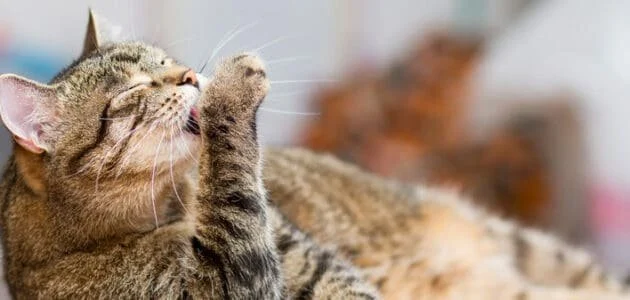
Cats are known for their meticulous grooming habits. A healthy cat may spend up to half of its waking hours cleaning its fur. However, when grooming turns into constant licking, biting, or pulling out fur, it can quickly lead to visible bald patches and irritated skin. This condition, commonly referred to as cat overgrooming, is a signal that something deeper may be going on.
Many cat owners initially assume bald spots appear because of shedding or seasonal coat changes. In reality, excessive grooming often has behavioral or medical causes. Identifying the root of the problem early is crucial because the longer the habit continues, the harder it becomes to break.
Veterinary dermatologists frequently compare overgrooming to a human stress habit such as nail biting. The behavior might start as a response to discomfort or anxiety, but eventually it becomes repetitive and self-reinforcing. When that happens, the cat may groom even after the original trigger disappears.
Common Reasons Cats Overgroom
Understanding why cats overgroom is the most important step toward solving the problem. Although every cat is different, most cases fall into three major categories: medical irritation, environmental stress, or behavioral patterns.
1. Skin Irritation and Allergies
One of the most common triggers for excessive grooming is skin discomfort. Flea bites, food allergies, and environmental allergens can cause itching that leads cats to lick constantly.
For example, many veterinarians report cases where a single flea bite triggers intense reactions in sensitive cats. The cat continues licking the same area repeatedly, often along the belly or inner thighs, eventually causing cat bald spots. Even when fleas are no longer visible, the irritation can persist.
2. Stress and Emotional Triggers
Cats are highly sensitive animals. Changes that seem minor to humans can create significant anxiety for them. Moving homes, introducing a new pet, loud construction nearby, or even rearranging furniture can cause stress grooming.
A widely shared story in an online cat owner forum involved a rescue cat named Luna who developed a large bald patch after her owner began working night shifts. The change in household routine created anxiety, and Luna coped by licking the same spot repeatedly. Once her owner introduced structured playtime and calming environmental enrichment, the grooming behavior gradually decreased.
3. Pain or Internal Discomfort
Sometimes cats lick a particular area because of pain beneath the skin. Joint discomfort, urinary tract irritation, or abdominal pain may cause a cat to groom that region excessively.
In these situations, the grooming is not about the fur itself but rather the underlying discomfort. If the bald spot appears suddenly or seems focused around joints or the abdomen, a veterinary exam is especially important.
How to Recognize Problematic Grooming
Many cat owners struggle to distinguish between normal grooming and problematic behavior. Observing patterns carefully can help identify when grooming has crossed into unhealthy territory.
1. Persistent Bald Patches
Healthy shedding rarely produces clearly defined bald areas. If you notice smooth skin with little or no fur—especially on the belly, legs, or sides—overgrooming is often the cause.
2. Excessive Licking Sessions
Normal grooming tends to be brief and spread throughout the day. When a cat focuses intensely on the same spot for several minutes or repeatedly returns to it, the behavior may indicate irritation or stress.
3. Skin Redness or Small Scabs
Repeated licking can damage the skin barrier, causing redness or small sores. These wounds may worsen if bacteria enter the area, making early intervention essential.
Practical Ways to Stop Cat Overgrooming
Once the possible cause has been identified, the next step is helping your cat break the cycle of excessive grooming. Successful solutions usually involve addressing both the physical trigger and the behavioral habit.
1. Improve Environmental Enrichment
Many indoor cats experience boredom or mild stress. Providing stimulating activities helps redirect their attention away from grooming.
Consider adding interactive toys, climbing structures, or puzzle feeders that encourage mental engagement. Rotating toys every few weeks can also keep the environment fresh and interesting.
Pet owners often discover helpful enrichment tools and calming accessories through curated pet platforms such as Omnia Pet, where products designed for anxious or highly active cats can help restore a healthy routine.
2. Establish a Predictable Daily Routine
Cats thrive on consistency. Feeding, playtime, and quiet rest periods should happen at roughly the same time each day. Predictability helps reduce anxiety-driven behaviors such as cat stress grooming.
Even short daily play sessions can make a significant difference. Ten minutes of active engagement with a wand toy often provides enough stimulation to lower stress levels.
3. Address Skin and Allergy Issues
If allergies or parasites are involved, treatment becomes essential. Veterinarians may recommend flea prevention, dietary changes, or anti-itch medications depending on the cause.
Switching to hypoallergenic foods or gentle grooming products can sometimes resolve mild irritation quickly. Monitoring how your cat responds to these changes helps narrow down the exact trigger.
4. Provide Safe Grooming Alternatives
Some cats groom excessively simply because they lack other self-soothing outlets. Soft blankets, cat grass, or designated scratching surfaces may redirect this instinctive behavior in healthier ways.
Owners who notice improvement often combine these options with calming environments and structured play. Gradually, the cat begins replacing compulsive licking with more balanced activities.
When to Seek Professional Help
If bald spots continue spreading or the grooming becomes obsessive, consulting a veterinarian is essential. Medical conditions such as dermatitis, fungal infections, or hormonal imbalances require professional diagnosis.
In some severe cases, veterinary behaviorists may recommend temporary anti-anxiety treatments while behavioral adjustments take effect. These approaches are not about suppressing the cat’s personality but rather helping them reset unhealthy coping habits.
Professional guidance also ensures that the underlying issue is correctly identified. What appears to be a behavioral problem could actually be a subtle medical condition.
Building a Healthier Routine for Your Cat
Preventing excessive cat grooming in the long term involves maintaining both physical health and emotional stability. Small lifestyle improvements often make the biggest difference.
1. Regular Health Monitoring
Routine veterinary checkups help detect allergies, parasites, or skin infections before they escalate into grooming problems.
2. Stress-Free Living Environment
Providing quiet resting areas, vertical climbing spaces, and predictable routines helps cats feel secure in their territory.
3. Balanced Mental and Physical Stimulation
A well-stimulated cat is far less likely to develop compulsive behaviors. Interactive play, puzzle toys, and safe exploration spaces keep both the body and mind engaged.
Many experienced cat owners discover that combining environmental enrichment with trusted resources like Omnia Pet makes it easier to maintain a balanced lifestyle for their pets.
Ultimately, when a cat stops overgrooming, it’s usually because the underlying discomfort—whether physical or emotional—has been addressed. By observing your cat carefully and responding to their needs, you create an environment where healthy grooming habits naturally return.


 K-BAM Exotic Pet Store4.0 (89 reviews)
 Happy Tails Barkery4.0 (67 reviews)
 Mosaic Animal Health Center Fair Haven4.0 (62 reviews)
 Cozy Care Mobile Veterinary Services5.0 (6 reviews)
 One Love Animal Hospital - Yorkville4.0 (104 reviews)
 Raritan Animal Hospital4.0 (454 reviews)
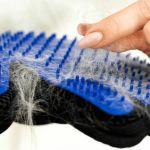 The Best Grooming Glove for a Kitten's Sensitive Skin
 The Best Automatic Feeders and Water Fountains for Cats – Ultimate Guide
 How to Handle an Aggressive Dog on the Leash | Leash Training Tips
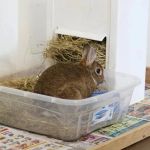 How to Litter Train a Pet Rabbit Successfully – Tips and Techniques
 How to Cook Thanksgiving Dinner for Your Dog
 The Dangers of Outdoor Cats: Risks and How to Mitigate Them