
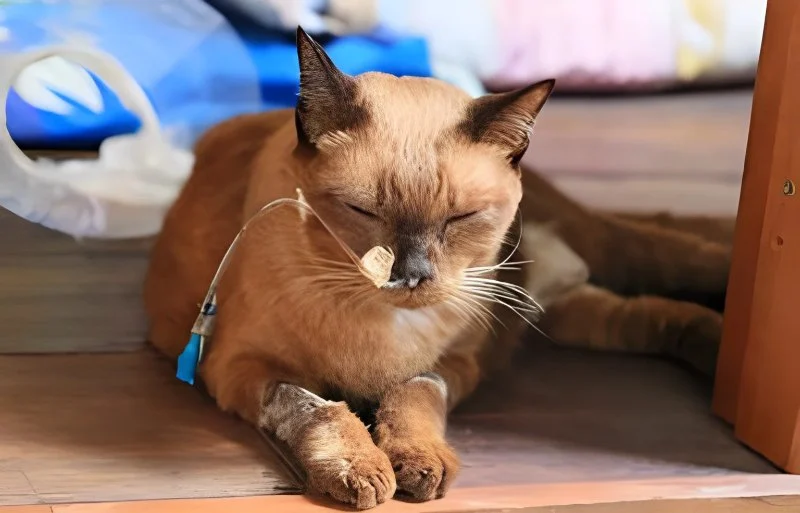
- Understanding Feline Cancer
- Common Types of Feline Cancer
- Symptoms of Cancer in Cats
- Diagnosis and Treatment of Feline Cancer
- Caring for Cats with Cancer
- Why Choose Omnia Pet for Your Cat's Health Needs
Understanding Feline Cancer
Cancer is a devastating disease that affects not only humans but also our beloved pets. Feline cancer, though not always easy to detect, is unfortunately quite common in cats, especially as they age. It occurs when cells in the body grow uncontrollably, forming tumors or affecting the normal functioning of organs.
In recent years, awareness of feline cancer has increased, leading to better detection and treatment options. As a cat owner, understanding the types of cancer that can affect cats, recognizing the symptoms, and seeking early intervention can significantly improve your cat’s chances of recovery.

Common Types of Feline Cancer
Feline cancer can occur in many forms, affecting different parts of the body. Some of the most common types of cancer found in cats include:
- Lymphoma: One of the most common types of cancer in cats, lymphoma affects the lymph nodes and lymphatic system. It often causes swelling of the lymph nodes and can be difficult to diagnose without further testing.
- Squamous Cell Carcinoma: This is a form of skin cancer that usually develops in the mouth, nose, or skin. It can be aggressive and is often diagnosed in older cats.
- Mammary Tumors: Mammary tumors are common in female cats, particularly those that are not spayed. These tumors can be benign or malignant, and it’s important to monitor for changes in the mammary glands.
- Feline Leukemia Virus (FeLV) and Feline Immunodeficiency Virus (FIV): While these are viral infections and not cancers themselves, they increase a cat’s risk of developing cancer. FeLV is often linked to lymphoma in cats.
- Fibrosarcoma: A type of connective tissue cancer that can occur in various parts of the body, including the skin, lungs, and abdominal organs. It can be caused by trauma or certain viral infections.
Symptoms of Cancer in Cats
Recognizing the symptoms of cancer in cats can be challenging, as they often hide their discomfort. However, there are certain signs to watch for that may indicate the presence of cancer in your cat. Early detection is key to improving the chances of successful treatment, so be vigilant and consult your vet if you notice any of the following symptoms:
- Unexplained Weight Loss: If your cat is losing weight despite having a good appetite, this could be a sign of cancer or another serious health issue.
- Persistent Lumps or Swellings: Any new lumps or swelling that do not go away should be examined by a vet. These could indicate tumors that may be cancerous.
- Loss of Appetite or Difficulty Eating: A decrease in appetite or difficulty eating could be a sign of oral cancer or other digestive system issues.
- Changes in Behavior or Energy Levels: If your cat becomes lethargic, unusually quiet, or avoids usual activities, it may be a sign of cancer.
- Bleeding or Discharge: Any abnormal bleeding, such as from the nose, mouth, or rectum, or discharge from wounds or the eyes, could be linked to cancer.
- Coughing, Vomiting, or Diarrhea: Persistent coughing, vomiting, or diarrhea should not be ignored, as it can indicate gastrointestinal or respiratory cancers.
Diagnosis and Treatment of Feline Cancer
If you notice any of the symptoms mentioned above, it’s important to take your cat to the veterinarian for a thorough examination. Your vet may perform blood tests, imaging studies (X-rays, ultrasound), or a biopsy to diagnose the type of cancer and its stage.
Treatment options for feline cancer vary depending on the type and stage of the disease. Some common treatment methods include:
- Surgery: In some cases, tumors can be surgically removed, especially if they are localized and not yet spread to other parts of the body.
- Chemotherapy: Chemotherapy is often used to treat lymphoma and other cancers. While it can be effective, it comes with potential side effects, which should be discussed with your vet.
- Radiation Therapy: Radiation therapy may be used to shrink tumors, particularly for cancers located in specific areas of the body, such as the mouth or brain.
- Palliative Care: For cats with advanced cancer, palliative care may be recommended to manage symptoms and improve quality of life.
Caring for Cats with Cancer
Caring for a cat with cancer involves providing comfort and support during treatment. Depending on the type of cancer and treatment plan, your cat may require pain management, nutritional support, and regular check-ups to monitor progress.
Maintaining a calm and stress-free environment is important, as stress can affect a cat's immune system. Offering high-quality, easily digestible food and providing a quiet space for your cat to rest can help them recover and feel more comfortable during treatment.

Doggie Beach Boutique
Ventnor CityAtlantic CountyNew Jersey
7315 Ventnor Ave, Ventnor City, NJ 08406, USA
Why Choose Omnia Pet for Your Cat's Health Needs
If you're looking for products that can support your cat’s health during cancer treatment or in general, Omnia Pet offers a variety of high-quality, pet-friendly products. Our selection includes supplements that may help boost your cat’s immune system, improve appetite, and provide relief from side effects associated with cancer treatments.
Visit Omnia Pet to explore our range of health products for your cat and learn more about how we can help support your furry friend’s well-being.






 All The Best Pet Care - Lake City4.0 (300 reviews)
 Petco4.0 (1336 reviews)
 The Cat Doctor & Friends4.0 (149 reviews)
 San Dimas Pet Clinic3.0 (118 reviews)
 Petco4.0 (720 reviews)
 Banfield Pet Hospital3.0 (7 reviews)
 How to Stop Your Cat from Scratching at the Door at Night
 How to Stop Your Kitten from Eating Their Own Poop
 The Best Pet Camera with a Treat Dispenser for Kittens – Top Picks for Pet Parents
 How to Treat Separation Anxiety in Dogs: Tools, Training, and Tips
 How to Keep Your Cat's Ears Clean and Mite-Free
 Signs of Worms in Dogs and How to Get Rid of Them: A Guide for Pet Owners