
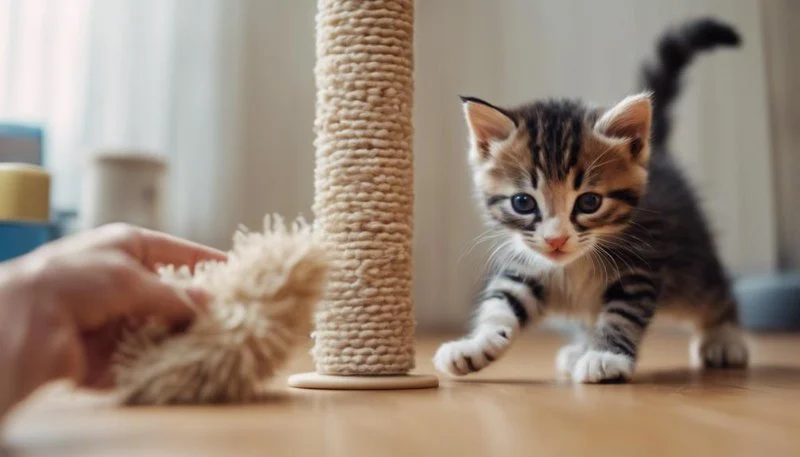
1. Why It's Important for Your Kitten to Respond to Their Name
Training your kitten to respond to their name is an important first step in building a strong and trusting relationship. Not only does it make communication easier, but it also helps with other aspects of behavior and training. In this section, we’ll explore why it's crucial for your kitten to recognize and respond to their name.
- - Easier training: Once your kitten learns to respond to their name, it makes other training tasks, such as litter box use or meal times, much easier.
- - Strengthening the bond: Addressing your kitten by name helps establish trust and reinforces your bond with them.
- - Better safety: In emergencies or outdoor settings, being able to call your kitten by name can help bring them to safety quickly.
2. The Best Time to Start Training Your Kitten
The ideal time to begin training your kitten to respond to their name is when they are around 8 weeks old. At this age, kittens are highly receptive to learning and are eager to explore their world. The earlier you start, the more likely your kitten is to learn quickly and effectively.
- - Start early: Kittens are in their most impressionable stages of development between 8 and 12 weeks old.
- - Consistency is key: Like any other behavior training, consistency is crucial. Try to use the same tone and approach every time.
- - Patience matters: While kittens are quick learners, training them takes time and patience, so don't be discouraged if it doesn't happen overnight.
3. Step-by-Step Guide to Training Your Kitten to Respond to Their Name
Now, let’s dive into the training process. Teaching your kitten their name involves using positive reinforcement, patience, and regular practice. Follow these steps to help your kitten learn to respond to their name:

Hillsborough County Veterinary Hospital
AmherstHillsborough CountyNew Hampshire
22 Pine Rd, Amherst, NH 03031, USA
3.1 Step 1: Choose a Name
Before you start training, you need to pick a name that’s easy for your kitten to recognize. Short names, usually with two syllables, tend to work best. Avoid names that sound like common commands or other words you use frequently around your kitten.
- - Simple names like “Max,” “Bella,” or “Luna” work well.
- - Avoid using names that sound similar to “no” or “sit,” as it can confuse your kitten.
3.2 Step 2: Positive Reinforcement
Start by saying your kitten’s name in a happy, calm tone while offering a treat or petting them. Positive reinforcement is key, as kittens respond well to rewards. The goal is to make the association between their name and something pleasant.
- - Use treats or affection every time your kitten responds to their name.
- - Avoid negative reinforcement, as it can create confusion or fear.
3.3 Step 3: Practice Makes Perfect
Now that you’ve started, consistency is essential. Repeat the process in short, frequent sessions throughout the day. Don’t expect your kitten to learn right away; training takes time, and each kitten learns at their own pace.
- - Keep training sessions short (around 5-10 minutes) to prevent your kitten from losing focus.
- - Gradually introduce distractions to help your kitten focus on responding to their name even when not in an ideal environment.
4. Common Challenges and How to Overcome Them
Like all training, teaching your kitten to respond to their name may come with challenges. Some kittens may be more independent or easily distracted. Here are some common hurdles and tips for overcoming them:

Puppies For Less - Sky Pointe Las Vegas
6440 Sky Pointe Dr Suite 150, Las Vegas, NV 89131, USA
4.1 Challenge 1: Lack of Interest
If your kitten seems uninterested in responding to their name, try using higher-value treats or toys that they love. Experiment with different rewards to see what motivates them the most.
- - Use their favorite treat or toy during training sessions.
- - Make training a fun and positive experience to keep your kitten engaged.
4.2 Challenge 2: Short Attention Span
Kittens, especially younger ones, can have short attention spans. If your kitten isn’t responding after a few tries, don’t force it. Take a break and try again later.
- - Keep training sessions brief, and avoid overwhelming your kitten.
- - Gradually increase the length of sessions as your kitten grows older and their attention span improves.
5. Real-Life Example: Successful Kitten Name Training
A great example of successful kitten name training comes from one of our customers, Sarah. She shared that her kitten, Luna, initially ignored her name during training sessions. After switching to higher-value treats like salmon-flavored treats and shortening her training sessions, Luna started responding within a few days. This shows that with the right motivation and patience, any kitten can learn to respond to their name.
6. Conclusion: Enjoy the Results of Your Kitten’s Training
Training your kitten to respond to their name is a rewarding experience for both you and your pet. Not only does it help with communication, but it also strengthens your bond and sets the foundation for future training. With patience, consistency, and positive reinforcement, you’ll soon have a kitten that comes running when called. For the best supplies to help with your kitten’s training, visit Omnia Pet to find the best products for your furry friend.






 Big Fish Custom Acrylic Aquariums5.0 (80 reviews)
 Curious Pets and Curiosities, Inc4.0 (865 reviews)
 Midwest Bully Supply llc0.0 (0 reviews)
 Las Vegas Exotic Fish4.0 (87 reviews)
 VCA ASEC3.0 (216 reviews)
 emotionLLC0.0 (0 reviews)
 Common Diseases in Betta Fish and How to Treat Them
 The Best DIY Cat Toys You Can Make in 5 Minutes
 Why Is My Kitten's Belly Button Showing? | Omnia Pet
 How to Stop Your Kitten from Getting Car Sick
 How to Teach Your Dog Basic Obedience Commands (Sit, Stay, Come)
 How to Stop Your Kitten from Digging in Potted Plants