
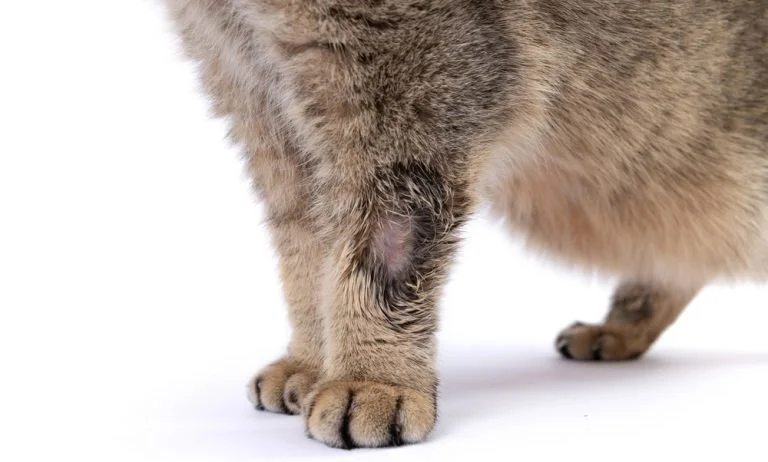
- 1. Introduction to Feline Ringworm
- 2. Recognizing the Symptoms of Ringworm in Cats
- 3. How to Treat Ringworm in Cats at Home
- 4. Protecting Your Home from Feline Ringworm
- 5. Real-Life Case Study: Treating Ringworm in Cats
- 6. Recommended Products for Treating Feline Ringworm
1. Introduction to Feline Ringworm
Feline ringworm is a common fungal infection that affects cats of all ages and breeds. Despite its name, ringworm is not caused by a worm but by a fungus called dermatophyte. The infection can lead to skin lesions and hair loss, making it both uncomfortable and unsightly for your cat. It’s highly contagious, not only between animals but also between animals and humans. Understanding how to treat ringworm is essential to prevent it from spreading in your home and ensuring your cat’s well-being.

1.1 What Causes Ringworm in Cats?
Ringworm in cats is caused by fungi that thrive in warm, moist environments. The most common dermatophytes responsible for ringworm are Microsporum canis and Trichophyton mentagrophytes. These fungi can be transmitted through direct contact with an infected animal or by coming into contact with contaminated surfaces, such as bedding, grooming tools, or furniture.

2. Recognizing the Symptoms of Ringworm in Cats
Feline ringworm can be tricky to diagnose because its symptoms can mimic other skin conditions. It’s essential to be vigilant and identify the signs early for effective treatment.
2.1 Common Symptoms of Ringworm
Some of the most common symptoms of ringworm in cats include:
- Hair loss: Circular patches of hair loss, often with broken hairs at the edges.
- Red, inflamed skin: The affected areas may be red, itchy, or inflamed.
- Scaly, crusty patches: Skin lesions that may be covered in scabs or flakes.
- Itching and discomfort: Cats may scratch, lick, or bite at the affected areas.
2.2 How Ringworm Spreads in Your Home
Ringworm spreads primarily through spores that are shed from the infected cat’s skin or hair. These spores can survive in the environment for months, making it important to manage the infection quickly. Your cat might contract ringworm by coming into contact with other infected animals, people, or contaminated items in the home.
3. How to Treat Ringworm in Cats at Home
While ringworm is treatable at home, it requires diligent care and attention. Here’s how to effectively manage and treat feline ringworm:
3.1 Consult Your Veterinarian
Before starting any treatment, it’s important to consult your veterinarian to confirm the diagnosis of ringworm. They may conduct tests such as a fungal culture, a Wood’s lamp examination, or a skin scraping to identify the type of fungus affecting your cat. This ensures that the proper treatment is used for the infection.
3.2 Topical Antifungal Treatments
Topical antifungal creams or shampoos are often the first line of treatment for ringworm in cats. These treatments are applied directly to the affected areas of the skin. Common antifungal treatments for cats include:
- Clotrimazole: A topical antifungal cream often recommended for treating ringworm.
- Ketoconazole: Available in both cream and shampoo form, it helps eliminate the fungus on the skin.
- Terbinafine: A topical ointment or gel that can be applied to the skin to treat the infection.
3.3 Oral Antifungal Medications
In more severe cases, your veterinarian may prescribe oral antifungal medications such as griseofulvin or terbinafine. These medications help eradicate the fungus from within your cat’s body, especially when topical treatments aren’t enough.
3.4 Regular Cleaning and Disinfection
Along with treating your cat, it’s important to disinfect your home regularly. Clean all surfaces your cat frequents with an antifungal disinfectant to prevent the spores from spreading. Wash your cat’s bedding, toys, and grooming tools in hot water to kill any remaining spores.
4. Protecting Your Home from Feline Ringworm
Feline ringworm is highly contagious, but there are steps you can take to minimize the risk of spreading the infection throughout your home.
4.1 Isolate the Infected Cat
If one of your cats is diagnosed with ringworm, it’s important to isolate them from other pets to prevent the infection from spreading. Keep them in a separate room with limited access to other areas of the house.
4.2 Clean and Disinfect Your Home Regularly
Use a pet-safe disinfectant to clean floors, furniture, and bedding regularly. Since ringworm spores can linger for weeks, it’s essential to maintain a clean environment to prevent reinfection. Pay extra attention to high-touch areas like door handles and light switches.
4.3 Keep Your Cat’s Immune System Strong
Ensuring that your cat is healthy and has a strong immune system can help them fight off infections like ringworm more effectively. Provide a balanced diet, ensure they get regular exercise, and manage any stress factors that could weaken their immune system.
5. Real-Life Case Study: Treating Ringworm in Cats
One pet owner shared their experience with treating ringworm in their cat, Lucy. When Lucy started showing signs of hair loss and itchy patches, the vet confirmed it was ringworm. After following a treatment plan that included topical antifungal cream, regular cleaning, and isolating Lucy from the other cats, the infection was successfully treated. The owner also recommended keeping a close eye on the cat’s diet and providing supplements to boost immunity during recovery.
6. Recommended Products for Treating Feline Ringworm
If you're treating your cat’s ringworm at home, it’s important to use the right products to ensure effective treatment. Here are some highly recommended products:
6.1 Pet Safe Antifungal Shampoo
Products like Pet MD’s Medicated Antifungal Shampoo help treat skin infections caused by fungi. These shampoos are gentle yet effective in eliminating ringworm and other fungal infections on your cat’s skin.
6.2 Topical Antifungal Creams
Consider using antifungal creams like Miconazole or Ketoconazole, which can be applied directly to the affected areas. These creams are designed to target the infection and alleviate the discomfort caused by the fungus.
6.3 Disinfectants for Home Use
Use products like Trifectant to disinfect your home and prevent the spread of spores. This solution is safe for pets and effective in cleaning surfaces where ringworm spores might linger.
For the best products to help treat feline ringworm, check out Omnia Pet. We offer a variety of antifungal treatments, disinfectants, and pet-safe products to keep your cat healthy and safe during the winter months.






 Dog Daze Boutique5.0 (27 reviews)
 Fins And Feathers4.0 (265 reviews)
 Long Beach Animal Hospital4.0 (649 reviews)
 Starwood Veterinary Clinic5.0 (102 reviews)
 Extreme tropical pets4.0 (362 reviews)
 Vetco Total Care Animal Hospital4.0 (95 reviews)
 How to Introduce a New Kitten to an Older Cat Without Stress
 The Best Ways to Play with Your Cat Using Wand Toys
 : How to Train Your Kitten to Respond to Their Name - Omnia Pet
 How to Stop Your Kitten from Eating Litter Crystals: Essential Tips for Pet Owners
 The Dangers of Outdoor Cats: Risks and How to Mitigate Them
 Why Do Kittens Like to Play in Empty Boxes?