
Why Does My Kitten Have Bad Gas?
It’s not uncommon for new kitten owners to be concerned about their kitten’s digestive health, and bad gas can be one of the most noticeable issues. While some amount of gas in kittens is completely normal, excessive or foul-smelling gas can signal a potential problem. Understanding the causes of bad gas and knowing what to do about it can help ensure your kitten stays healthy and happy.
- Common Causes of Kitten Gas
- How Diet Contributes to Gas in Kittens
- The Role of Digestive Health in Gas
- How to Help Your Kitten with Bad Gas
- When to See a Veterinarian
1. Common Causes of Kitten Gas
Gas in kittens can arise from a variety of causes. Most of the time, it’s a natural part of their digestive process, but there are certain factors that can exacerbate the problem.
1.1 Immature Digestive System
Just like human babies, kittens have developing digestive systems. Their bodies may not be fully equipped to process food efficiently, leading to the production of gas as food moves through their intestines.
Aquatech Aquarium Service
Culver CityLos Angeles CountyCalifornia
8013 Hannum Ave, Culver City, CA 90230, USA
1.2 Sudden Changes in Diet
Introducing new foods too quickly can cause upset stomachs and bad gas in kittens. A sudden switch from one food brand to another, or introducing treats or new flavors, can disrupt their digestive process.
1.3 Swallowing Air
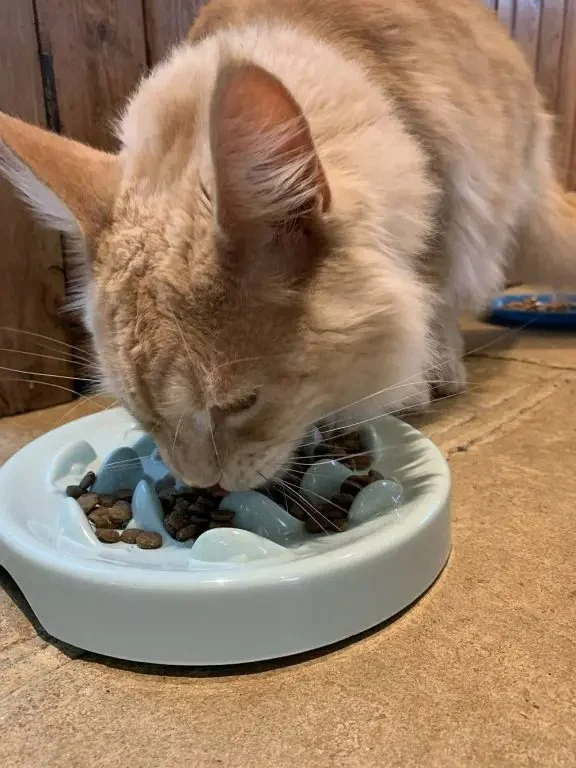
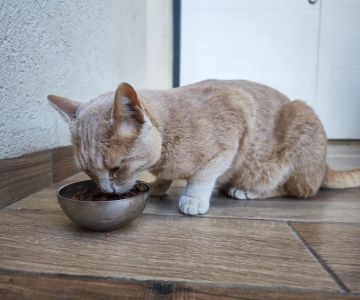
Sometimes, kittens eat too quickly, which can cause them to swallow air along with their food. This trapped air can result in gas buildup in their stomach and intestines.
2. How Diet Contributes to Gas in Kittens
Diet is one of the most significant factors in a kitten’s digestive health. What your kitten eats, and how it’s processed in their body, can directly affect the amount of gas they produce.
2.1 Low-Quality Food Ingredients
If your kitten is eating low-quality food, it may contain fillers or artificial ingredients that are harder to digest, leading to gas and bloating. Opting for high-quality, meat-based kitten food can improve digestion and reduce unwanted gas.
2.2 Dairy Sensitivity
While many people associate kittens with milk, dairy can be problematic for some kittens. Many cats are lactose intolerant, which means consuming dairy products can lead to gas, bloating, and stomach discomfort.
2.3 Overfeeding
Feeding your kitten too much food at once can overwhelm their digestive system, leading to gas and bloating. It's important to follow feeding guidelines based on your kitten's age, weight, and breed.
3. The Role of Digestive Health in Gas
A healthy digestive system plays a crucial role in minimizing gas production in kittens. If your kitten is experiencing consistent or severe gas, it could be a sign that their digestive health is compromised.
3.1 Intestinal Parasites
Parasites, such as worms, are common in young kittens and can lead to digestive disturbances like gas, diarrhea, and bloating. If your kitten’s gas is accompanied by other symptoms, such as weight loss or lethargy, a veterinary visit is necessary.
3.2 Food Allergies
Food allergies or sensitivities can also lead to digestive issues and excessive gas. Kittens might be allergic to specific ingredients in their food, such as chicken, beef, or grains. If you suspect a food allergy, consider switching to a hypoallergenic formula.
3.3 Lack of Digestive Enzymes
Some kittens may have trouble producing enough digestive enzymes to break down food properly. This can lead to inefficient digestion, causing gas to build up. In some cases, supplementation with digestive enzymes may help.
4. How to Help Your Kitten with Bad Gas
If your kitten has bad gas, there are several steps you can take to help alleviate the discomfort and improve their digestive health.
4.1 Gradual Diet Changes
If you're changing your kitten's diet, do so gradually to give their digestive system time to adjust. Mix a small amount of the new food with their current food and gradually increase the amount over the course of a week.
4.2 Use of Probiotics
Probiotics can help improve your kitten’s digestive health by introducing beneficial bacteria into their gut. Consult with your veterinarian to find the right probiotic supplement for your kitten.
4.3 Feeding Smaller, More Frequent Meals
Instead of feeding your kitten one or two large meals, try feeding them smaller amounts more frequently throughout the day. This can reduce the chances of them swallowing air or overeating, both of which can contribute to gas.
5. When to See a Veterinarian
While occasional gas is normal for kittens, there are certain situations where a visit to the vet is necessary:
5.1 Persistent or Severe Symptoms
If your kitten’s gas is accompanied by persistent vomiting, diarrhea, or lethargy, it could indicate a more serious issue such as an infection, food intolerance, or parasites. In these cases, it's best to see a vet right away.
5.2 Changes in Appetite or Behavior
If your kitten is suddenly avoiding food or acting unusually, it could signal a digestive or health problem. A veterinary exam can rule out any underlying conditions.
5.3 Weight Loss
Weight loss, especially in conjunction with digestive issues like gas, may be a sign of a more significant health problem. A vet visit is essential to diagnose and treat any potential issues.
For helpful tips on keeping your kitten healthy and happy, or if you need the best products for your kitten’s digestive care, visit Omnia Pet for expert recommendations and quality products!


 Sturbridge Veterinary Hospital4.0 (283 reviews)
 European Aquatics Inc.4.0 (282 reviews)
 CVCA Cardiac Care for Pets5.0 (56 reviews)
 VIP Petcare Vaccination Clinic0.0 (0 reviews)
 Corals Frag4.0 (58 reviews)
 Jericho Animal Hospital4.0 (80 reviews)
 Why Is My Dog Drinking So Much Water? Potential Health Issues and What to Do
 Why Does My Kitten Have Bad Gas? Causes and Solutions for Pet Owners
 How to Tell if Your Kitten is Blind: Signs and Tips for Pet Owners
 Why Does My Cat Follow Me into the Bathroom? Understanding Your Cat's Behavior
 The Best Toys for Teething Kittens to Chew On
 A Guide to Cat Vaccinations: Schedule, Costs, and What They Prevent