
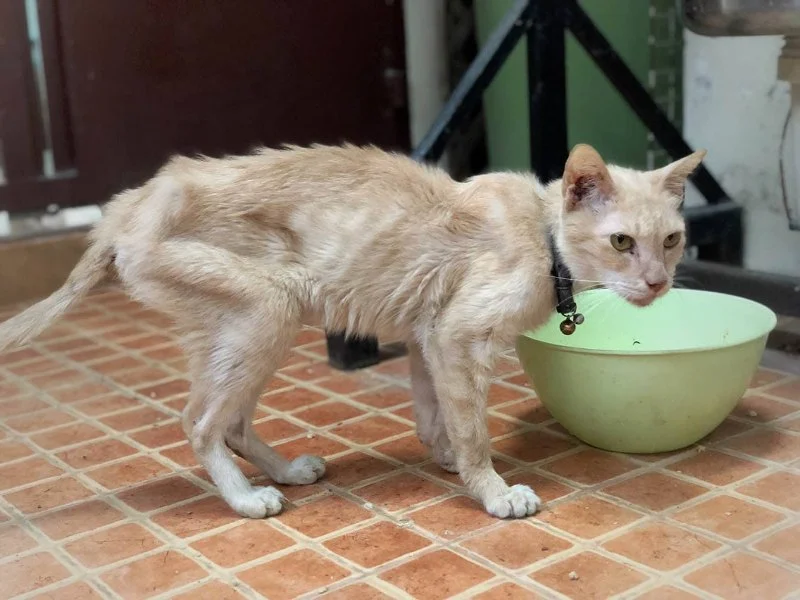
1. Understanding Kitten Health and Weight
When bringing a new kitten into your home, one of the key things you’ll need to monitor is their health and weight. Kittens, like human babies, grow rapidly, and their weight is a strong indicator of overall health. A kitten’s weight should increase steadily, but when they are too skinny, it may be a sign of health issues or nutritional imbalances. Understanding how to assess your kitten's weight and health is essential for ensuring they thrive during their early months of life.

Animal Behavior Associates
WestwoodNorfolk CountyMassachusetts
94 Lakeshore Dr, Westwood, MA 02090, USA
2. How to Tell if Your Kitten is Too Skinny
It's not always easy to tell if a kitten is underweight since their small size can sometimes mask the issue. However, there are a few key signs to look out for when determining if your kitten is too skinny:
- Ribs and Spine Visible: A healthy kitten should have a layer of fat covering their ribs and spine. If the ribs and spine are easily visible or can be felt without any fat covering them, this may indicate that your kitten is too thin.
- Low Energy Levels: An underweight kitten may seem lethargic or less playful. Healthy kittens are typically active, curious, and playful. If your kitten lacks energy or seems uninterested in toys and activities, this could be a sign of malnutrition.
- Visible Bony Features: In addition to ribs and spine, you may notice the prominence of other bones, such as the hip bones or shoulder blades. This is another indication that the kitten may not be getting the proper nutrients they need.
- Bulging Belly: A kitten that is too skinny may develop a swollen belly, which could indicate worms or a parasite infection. A bulging belly should be evaluated by a veterinarian to determine the cause.
3. Possible Causes of Weight Loss in Kittens
If you notice your kitten is too skinny, there could be several underlying causes for their weight loss. Some of the common reasons include:
- Poor Diet: Kittens require a high-calorie, nutrient-rich diet to support their rapid growth. If they are not being fed a quality kitten food, they may not be getting the calories or nutrients they need.
- Health Conditions: Illnesses such as parasites, infections, or gastrointestinal problems can prevent a kitten from gaining weight or may cause weight loss. If your kitten has other symptoms, such as vomiting, diarrhea, or a lack of appetite, it’s important to seek veterinary care.
- Dehydration: Kittens can become dehydrated quickly, especially if they are not eating or drinking properly. Dehydration can contribute to weight loss and lethargy.
- Parasites: Intestinal worms and other parasites can cause malnutrition and weight loss. These parasites are common in young kittens and can be treated with deworming medications prescribed by a vet.
4. How to Address an Underweight Kitten
If you believe your kitten is too skinny, here are some steps to help them gain weight and improve their health:
- Provide a High-Quality Diet: Feed your kitten a high-quality, age-appropriate kitten food that is specially formulated for growth. Look for foods that are rich in protein and fat, as these are essential for healthy weight gain.
- Frequent Small Meals: Kittens have small stomachs, so it’s best to feed them multiple small meals throughout the day to ensure they are getting enough nutrition.
- Ensure Access to Fresh Water: Make sure your kitten always has access to fresh water. Dehydration can contribute to their condition, and drinking water is essential for their overall health.
- Visit the Veterinarian: If your kitten’s weight loss is severe or persists despite proper feeding, it’s important to take them to a veterinarian. A vet will perform a physical exam, check for parasites, and provide any necessary treatments.
5. Real-Life Case Study: Caring for an Underweight Kitten
Meet Mia, a kitten adopted by a family after being found wandering outside. Mia was extremely skinny, with visible ribs and spine, and lacked energy to play or eat. Her new owners took her to the vet, where they discovered that Mia had a severe intestinal parasite infection. After receiving deworming medication and being switched to a high-calorie kitten food, Mia's health improved significantly. Within a few weeks, she was more active, her belly had flattened, and she began to put on weight. Her owners continue to monitor her health closely, and Mia is now thriving as a happy, playful kitten.
6. Conclusion: Keeping Your Kitten Healthy and Happy
It’s important to monitor your kitten’s weight and overall health, especially during their rapid growth phase. If you notice signs that your kitten is too skinny, it’s essential to take action promptly. By providing proper nutrition, frequent meals, and seeking veterinary care when necessary, you can help your kitten grow into a healthy, happy adult cat. If you're looking for the best kitten food or health products, visit Omnia Pet for the highest quality options tailored to your kitten’s needs.


 Petco4.0 (1296 reviews)
 Loros Exoticos Baltimore4.0 (32 reviews)
 Pet Shield Veterinary Hospital4.0 (89 reviews)
 Dr. Wolf's Animal Medical Center4.0 (61 reviews)
 Banfield Pet Hospital4.0 (176 reviews)
 Banfield Pet Hospital3.0 (262 reviews)
 Understanding Kitten Food Allergies: Symptoms and Solutions
 Understanding Kitten Spay: Laparoscopic vs. Traditional Procedures
 The Pros and Cons of Getting a Kitten for Christmas
 Best Ways to Prevent and Treat Fleas and Ticks on Your Pet Naturally
 The Truth About Probiotics for Dogs: Do They Really Work?
 How to Stop a Kitten from Suckling on Blankets