
- 1 - Why You Need a First Aid Kit for Your Kitten
- 2 - Essential Items to Include in a Kitten First Aid Kit
- 3 - Common Kitten Emergencies and How to Handle Them
- 4 - Where to Buy the Best Kitten First Aid Kit Items
1. Why You Need a First Aid Kit for Your Kitten
As a kitten owner, ensuring your furry friend’s safety and health should always be a priority. Kittens are playful and curious creatures, but this can sometimes lead to unexpected accidents. Having a well-stocked first aid kit can be a lifesaver in these situations. Emergencies can happen at any time, whether it's a minor injury from scratching or a more serious issue like poisoning or breathing difficulty. A first aid kit designed specifically for kittens is essential for quick, effective responses that can stabilize your pet until you can get professional veterinary help.

2. Essential Items to Include in a Kitten First Aid Kit
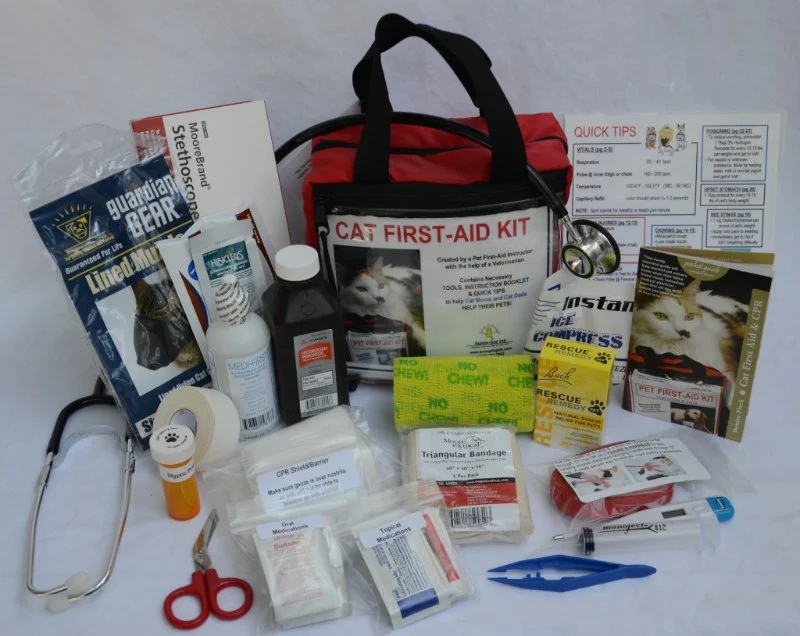
When preparing your kitten's first aid kit, it’s important to include the right supplies. These items should cover a wide range of potential emergencies, from cuts and scrapes to poisoning or even sudden allergic reactions. Here’s a breakdown of the most essential items to include in your first aid kit:

Mobile Pet Care
BristolNaugatuck Valley Planning RegionConnecticut
177 School St, Bristol, CT 06010, USA
2.1 Gauze Pads and Bandages
Gauze pads are vital for covering wounds and stopping bleeding. It’s important to have a few different sizes to accommodate various injuries. Bandages are also essential to secure the gauze pads and prevent further injury. Be sure to choose non-stick bandages to avoid further irritation to your kitten’s skin.
2.2 Antiseptic Solution
Antiseptic solutions are used to clean wounds and prevent infections. It's crucial to choose one that is safe for animals, as some human antiseptics can be harmful to kittens. Always check the label to ensure it’s safe for your kitten before use.
2.3 Tweezers
Tweezers are helpful for removing splinters, ticks, or any foreign objects that may get stuck in your kitten’s skin. It’s important to disinfect them before use to avoid introducing bacteria into the wound.
2.4 Digital Thermometer
A digital thermometer is an important tool to monitor your kitten’s temperature in case of illness or fever. Kittens can become ill quickly, and knowing their temperature can help determine the severity of the situation and if you need to visit the vet.
2.5 Syringe for Medication
If your kitten needs medication, a syringe is a helpful tool for administering liquids. This is especially useful if your kitten is unwilling to take oral medication directly from a spoon or dropper.
2.6 Pet Safe Pain Relief
While you should never give your kitten human painkillers, there are pet-safe pain relief options available. Make sure to consult with your veterinarian for recommendations on the best pain relief medication for your kitten’s specific needs.
2.7 Sterile Eye Wash
Sometimes kittens can get debris or irritants in their eyes, which can cause discomfort or infection. Having a sterile eye wash solution in your first aid kit will help clean the eyes and relieve any irritation.
2.8 Cotton Balls or Swabs
Cotton balls or swabs are useful for cleaning wounds, eyes, or ears. Always use them gently to avoid causing any further irritation to your kitten.
3. Common Kitten Emergencies and How to Handle Them
Even with the best precautions, emergencies can still occur. Here are a few common kitten emergencies you should be prepared for and how you can handle them:
3.1 Cuts and Scrapes
Minor cuts or scrapes are fairly common, especially in active kittens. Use gauze pads to clean the wound, then apply an antiseptic solution to prevent infection. Bandage the wound to keep it clean and avoid further injury. Monitor the injury for signs of infection, such as swelling or redness, and seek veterinary help if necessary.
3.2 Choking or Difficulty Breathing
If your kitten is choking or having trouble breathing, you must act quickly. Gently try to open their mouth to see if something is lodged in their throat. If you can see an obstruction, use tweezers to remove it. If the kitten is still struggling to breathe, seek emergency veterinary care immediately.
3.3 Poisoning
Kittens are naturally curious and may ingest toxic substances like household cleaners, certain plants, or human foods. If you suspect poisoning, try to determine what the kitten ingested and contact your veterinarian or a pet poison helpline immediately. Some items in your first aid kit, like activated charcoal, may help absorb toxins, but it’s crucial to seek professional help as soon as possible.
3.4 Allergic Reactions
If your kitten has an allergic reaction, symptoms may include swelling, hives, or difficulty breathing. In the event of a severe allergic reaction, use a syringe to administer any allergy medication as prescribed by your vet. Immediate veterinary care is also necessary for serious allergic reactions.
4. Where to Buy the Best Kitten First Aid Kit Items
When it comes to purchasing high-quality first aid kit supplies for your kitten, Omnia Pet offers a wide selection of pet health products. From medical supplies to grooming essentials, you can find everything you need to care for your kitten during emergencies. Their products are designed with your kitten’s safety in mind, ensuring that you’re well-prepared for any situation that arises.





 Synergy Pet5.0 (2 reviews)
 Cat Clinic4.0 (275 reviews)
 North Wilton Animal Hospital4.0 (24 reviews)
 Sachem Animal Hospital4.0 (561 reviews)
 7 Seas Aquatics LLC4.0 (186 reviews)
 Family Pet Clinic of Redondo Beach4.0 (388 reviews)
 The Best Cat-Proof Trash Cans to Keep Them Out
 The Pros and Cons of Getting a Kitten for Christmas
 How to Celebrate Your Cat's Birthday - Fun Ideas for Your Feline Friend
 How to Find a Reputable Dog Trainer in Your Area | Omnia Pet
 The Top 10 Smartest Dog Breeds and How to Challenge Them
 How to Stop a Kitten from Clawing at Window Screens