
1. Understanding the Decision to Add Another Cat
For many U.S. pet owners, the idea of bringing home a second cat starts with a simple question:“Would my cat be happier with a companion?” This question is at the heart of the discussion aroundthe pros and cons of getting a second cat. While some cats thrive in multi-cat households, othersstrongly prefer being the only feline ruler of the home.
In recent years, more American households have begun adopting multiple pets, especially as remotework has changed daily routines. Spending more time at home often makes owners more aware of theircat’s boredom or loneliness, which can spark the idea of adding another furry friend. However, thisdecision should be based on careful observation rather than guilt or trends.

Zen Den Animal Wellness & Rehabilitation
LancasterLos Angeles CountyCalifornia
1055 Columbia Way Suite 110, Lancaster, CA 93534, USA
2. Emotional and Social Benefits of a Second Cat
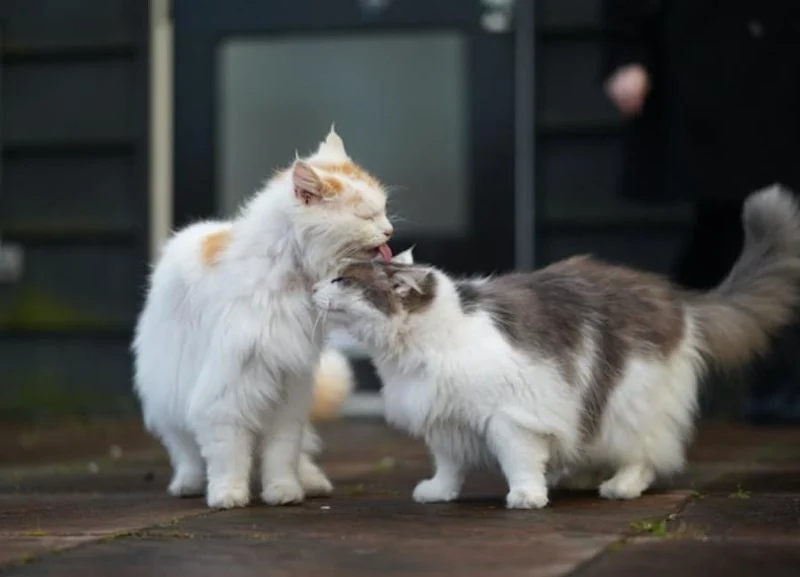
One of the biggest advantages often mentioned when discussing getting another cat is companionship.Cats may have a reputation for independence, but many are social animals that enjoy interaction ontheir own terms.
In households where owners work long hours or travel frequently, a second cat can provide mentalstimulation through play, grooming, and shared routines. Younger cats, in particular, often benefitfrom having a playmate with similar energy levels, reducing destructive behaviors caused by boredom.
There is also an emotional benefit for owners. Watching two cats slowly build trust, nap together,or develop playful rituals can be deeply rewarding. Many pet parents report feeling less anxiousabout leaving home, knowing their cats have each other for company.

Veterinary Center for Birds & Exotics
Bedford HillsWestchester CountyNew York
709 Bedford Rd, Bedford Hills, NY 10507, USA
3. How Daily Life Changes in a Multi-Cat Household
Adding a second cat doesn’t just double the cuteness—it reshapes daily routines. Feeding schedules,playtime, and litter box maintenance all become more structured. Cats are creatures of habit, andintroducing a new one requires patience and consistency.
Owners often find that interactive play becomes more important, especially during the introductionphase. Gradual scent swapping, separate feeding areas, and controlled first meetings help reducestress. Over time, many households settle into a smoother rhythm where both cats coexist peacefully,even if they never become best friends.
This is also where choosing the right supplies matters. Many U.S. pet owners prefer browsingOmnia Pet to find practical solutions designed specifically for multi-cat homes, from feeding toolsto enrichment products that support harmony.
4. Financial and Space Considerations
One of the most practical aspects of the pros and cons of getting a second cat is cost. Veterinarycare, food, litter, and preventive treatments all increase with another pet. Emergency expenses canalso be higher, especially if both cats require care at the same time.
Space is another critical factor, particularly in apartments or smaller homes common in many U.S.cities. Cats need vertical and horizontal territory to feel secure. Without enough space, competitionfor resources like sleeping spots or litter boxes can create tension.
A general guideline many professionals suggest is having one litter box per cat, plus one extra.While this might sound excessive, it significantly reduces stress-related behaviors and helps maintaina cleaner home environment.
5. Potential Challenges and Behavioral Risks
Not every pairing works out smoothly. Personality mismatches are a common downside when gettinganother cat. An older, calm cat may feel overwhelmed by a high-energy kitten, while a territorialcat may struggle to accept any newcomer at all.
Stress can manifest in subtle ways, such as hiding, reduced appetite, or changes in grooming habits.In more serious cases, it may lead to aggression or inappropriate elimination. These challenges don’tmean the decision was wrong, but they do require time, patience, and sometimes professional guidance.
Health considerations also play a role. New cats should always receive a veterinary check beforeintroduction to minimize the risk of illness spreading within the household.
6. Real-Life Stories from U.S. Cat Owners
A popular story shared on social media involved a California couple who adopted a second cat duringthe pandemic to keep their senior cat company. Initially, the older cat hissed and avoided thenewcomer. After several weeks of slow introductions and separate spaces, the two began quietlysleeping in the same room. They never became inseparable, but the senior cat showed increasedactivity and appetite.
On the other hand, a New York apartment dweller shared a less positive experience. Limited space andtwo strong-willed cats led to ongoing tension. Eventually, the owner worked with a behaviorist andmade environmental changes, proving that challenges can be managed with the right support.
7. Making the Right Choice for Your Home
Deciding whether to bring home a second cat is deeply personal. The pros and cons of getting a secondcat depend on your current cat’s personality, your lifestyle, and your willingness to adapt yourhome and routine.
If you’re considering this step, take time to assess your cat’s behavior when exposed to otheranimals, your budget flexibility, and the space you can realistically dedicate. Preparation is key,and having access to well-chosen supplies and reliable information makes the transition smoother.
For many U.S. pet owners, thoughtful planning and the right resources turn a potentially stressfuldecision into a rewarding experience—for both cats and humans alike.






 Paw Prints Veterinary Hospital, Dr. Maryann Milford4.0 (7 reviews)
 Limehouse Veterinary Clinic4.0 (155 reviews)
 Community Pet Supplies Jericho Turnpike4.0 (55 reviews)
 MantisPlace.com3.0 (17 reviews)
 Stone Meadow Alpacas0.0 (0 reviews)
 Petland Largo4.0 (4579 reviews)
 Why Do Cats Meow? The Meaning Behind Different Meows
 The Best Weaning Foods for Kittens Transitioning from Milk
 Why Is My Kitten's Fur Changing Texture? Understanding the Causes
 How to Find a Reputable Dog Trainer in Your Area | Omnia Pet
 The Best Cat Tree for Kitten's Agility Training | Top Options for Your Kitten's Development
 The Best Litter Box Location for a Kitten's Needs