
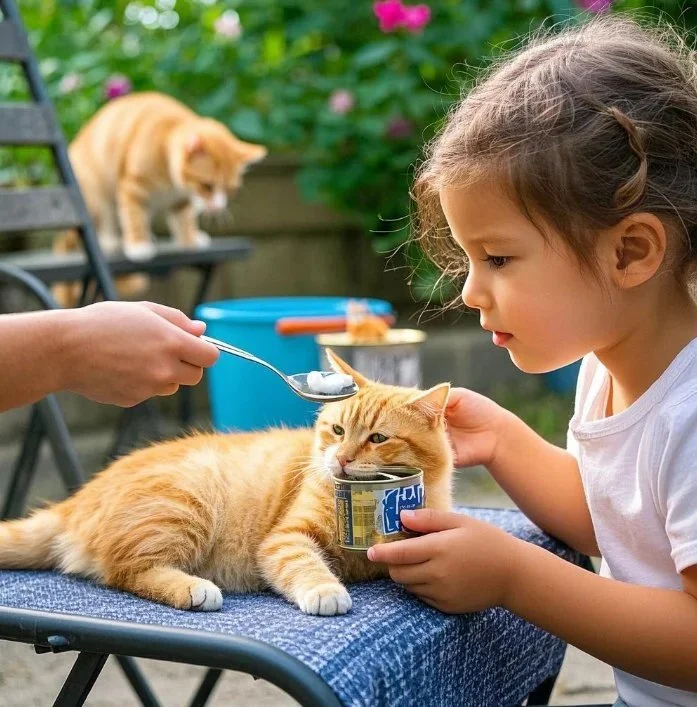
Understanding Kitten Food Transition: How to Switch
- Why Food Transition is Important for Kittens
- When to Start Transitioning Your Kitten’s Food
- Steps to Transition Your Kitten’s Food
- Common Challenges and How to Overcome Them
- Omnia Pet Recommendations for Kitten Nutrition
Why Food Transition is Important for Kittens
Transitioning your kitten’s food properly is crucial for their health and well-being. Kittens go through rapid growth during their first year, and their nutritional needs change frequently. A sudden change in diet can cause digestive upset, including diarrhea, vomiting, or a lack of appetite. Gradual food transitions are important to ensure that your kitten’s body adapts to the new food without any adverse reactions.
Moreover, kittens have specific nutritional requirements, including high levels of protein and fat, to support their growth and energy needs. Switching to a diet that doesn’t meet these requirements can affect their development. It’s essential to provide high-quality kitten food that’s designed to meet their growing needs.
When to Start Transitioning Your Kitten’s Food
The best time to start transitioning your kitten’s food is around 4 to 6 months of age, when they begin to grow into their adult diet. By this time, most kittens are weaned from their mother’s milk and are ready to try solid food. Transitioning food too early or too late can cause problems, so it’s important to follow your vet’s guidance on timing and the type of food that is best for your kitten.
When choosing a kitten food, opt for one that is specially formulated for kittens. These foods are richer in nutrients and designed to support the rapid growth and development that occurs during this phase.
Steps to Transition Your Kitten’s Food
1. Start Gradually
The key to a successful food transition is to do it slowly. Begin by mixing a small amount of the new food with your kitten’s current food. Start with about 25% new food and 75% old food. Over the course of 7 to 10 days, gradually increase the percentage of new food while decreasing the old food until your kitten is fully transitioned to the new food.
2. Observe Your Kitten's Reaction
As you transition your kitten’s food, closely monitor their behavior and health. Look for any signs of digestive upset, such as diarrhea or vomiting, which may indicate that the transition is too fast or the new food is not agreeing with them. If you notice these issues, slow down the transition process and consult with your veterinarian if necessary.

House Of Tropicals
Glen BurnieAnne Arundel CountyMaryland
7389 Baltimore Annapolis Blvd, Glen Burnie, MD 21061, USA
3. Offer Small Meals Throughout the Day
At this age, kittens have small stomachs and need frequent meals. Offering multiple small meals throughout the day ensures they are getting the necessary nutrients and energy. This also helps with digestion as they adjust to the new food.
4. Keep the New Food Consistent
Once your kitten is eating the new food, try to keep their diet consistent. Frequent changes in food can confuse their digestive system and lead to stomach upset. Stick to the same food type unless your vet recommends otherwise.
Common Challenges and How to Overcome Them
1. Refusal to Eat the New Food
It’s not uncommon for kittens to be picky when it comes to food. If your kitten refuses to eat the new food, try warming it up to enhance the aroma, or try different textures such as pâté or kibble. Some kittens may have preferences for wet food over dry food or vice versa. If your kitten still refuses, consult your veterinarian to rule out any health concerns.
2. Digestive Upset
If your kitten experiences diarrhea or vomiting during the transition, it could be due to the rapid change in diet. Slow down the transition process, and ensure that you are mixing the foods in a way that gradually introduces the new food. If digestive problems persist, speak to your vet to ensure the new food is appropriate for your kitten’s health needs.
3. Allergies or Sensitivities
Some kittens may have allergies or sensitivities to certain ingredients in their food, such as grains or specific proteins. If you suspect this is the case, consult your veterinarian to help identify the source of the allergy. There are many hypoallergenic kitten foods available, which can help alleviate these issues.
Omnia Pet Recommendations for Your Kitten’s Health
At Omnia Pet, we understand the importance of providing your kitten with the best possible nutrition. We recommend selecting high-quality kitten food that is rich in protein, essential fats, and vitamins to support their healthy growth. Our collection includes a variety of specially formulated kitten foods that are perfect for transitioning from kitten to adult food. Visit our website to find the best food options for your kitten’s dietary needs!



 Petco4.0 (1336 reviews)
 Chuck & Don's Pet Food & Supplies4.0 (243 reviews)
 Miles of Exotics4.0 (1371 reviews)
 Vetavatar Support0.0 (0 reviews)
 Pride Animal Hospital4.0 (102 reviews)
 Precious Pets Animal Service5.0 (19 reviews)
 How to Keep Your Indoor Cat from Getting Bored
 The Best Grooming Glove for a Kitten's Sensitive Skin
 The Truth About Probiotics for Dogs: Do They Really Work?
 The Most Unusual Pets That Are Legal to Own in the US | Unique Pet Ideas
 How to Keep Your Kitten from Eating Poisonous Bugs – Omnia Pet
 How to Tell if Your Kitten is Too Skinny: Signs and Solutions