
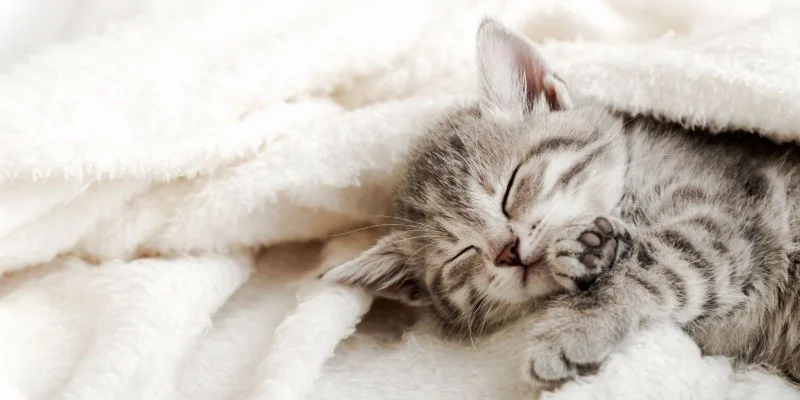
1. Why Your Kitten's Paw Might Swell
Seeing your kitten limping or favoring one of its paws can be alarming, especially when you notice that the paw seems swollen. Swelling in a kitten’s paw can happen for a variety of reasons, some of which may be easily treatable at home, while others require immediate veterinary attention. It's important for pet owners to understand the potential causes and how to handle this issue to help their kittens heal as quickly and comfortably as possible.
In this article, we’ll explore the common causes of swollen paws in kittens, how to recognize the signs, and most importantly, how to treat the condition at home or know when to seek professional help.

2. Common Causes of Swollen Paws in Kittens
Swollen paws in kittens can result from a number of factors. Some of the most common causes include injuries, infections, and foreign objects stuck in the paw. Here are some of the primary reasons your kitten might have a swollen paw:

Pet Wants Portsmouth
PortsmouthRockingham CountyNew Hampshire
50 Fox Run Rd, Portsmouth, NH 03801, USA
2.1. Injury or Trauma
One of the most frequent causes of paw swelling is injury. Your kitten may have stepped on something sharp or gotten its paw caught while playing or exploring. Trauma to the paw can cause immediate swelling, and it may be accompanied by signs of pain, such as limping or excessive licking of the affected area.
2.2. Infections
Infections can also cause swelling in a kitten's paw. A wound, scratch, or puncture from a foreign object can allow bacteria to enter the skin, leading to an infection. If left untreated, the infection can cause significant swelling, redness, and warmth in the paw.
2.3. Foreign Objects
Sometimes, kittens pick up foreign objects such as thorns, splinters, or even small pieces of glass or plastic in their paws. These foreign objects can cause irritation, pain, and swelling. If your kitten is licking or chewing at its paw persistently, it could be trying to remove something stuck in the paw.
2.4. Allergies
Allergic reactions, particularly to insect bites or certain plants, can also result in swelling in the paws. If your kitten has been exposed to something it’s allergic to, you might notice other symptoms like itching, redness, or hives along with the swollen paw.
3. How to Identify a Swollen Paw in Your Kitten
Recognizing a swollen paw is usually straightforward, but it’s important to assess the situation carefully. Here's how you can identify a swollen paw and determine if treatment is necessary:
3.1. Visual Signs
Swelling is often visible, and you may notice that your kitten’s paw appears larger than usual. The affected paw may also have visible redness, bruising, or warmth compared to the other paws. If you gently press on the paw, it may feel firm or tender to the touch.
3.2. Behavioral Changes
Your kitten may exhibit signs of discomfort, such as limping, reluctance to walk, or avoiding using the swollen paw. If your kitten is licking or biting at the paw more than usual, it could be trying to soothe the pain or irritation.
3.3. Unusual Symptoms
In some cases, swelling in the paw could be accompanied by fever or a discharge from a wound. If you notice any of these additional symptoms, it's best to seek immediate veterinary attention.
4. How to Treat a Swollen Paw in a Kitten
If your kitten’s paw is swollen due to a minor injury or irritation, there are several steps you can take at home to provide relief. Here's how you can treat your kitten’s swollen paw:
4.1. Clean the Paw
If there’s any visible dirt, debris, or discharge, gently clean the paw using a soft cloth and lukewarm water. You can also use a mild antiseptic solution recommended by your vet to cleanse the area. Avoid using harsh chemicals that could irritate the paw further.
4.2. Apply a Cold Compress
A cold compress can help reduce swelling and provide pain relief. Wrap an ice pack in a soft cloth and apply it gently to the swollen area for about 10–15 minutes. Be sure to monitor your kitten closely to ensure it’s comfortable and not too cold.
4.3. Elevate the Paw
If possible, keep your kitten’s paw elevated to reduce fluid buildup. Place your kitten in a comfortable resting position with its paw propped up. Avoid forcing your kitten to use the swollen paw until the swelling goes down.
4.4. Provide Pain Relief
Consult your veterinarian before giving your kitten any pain relief medication, as some human medications can be harmful to pets. Your vet may recommend a safe, kitten-specific pain reliever to reduce discomfort.
5. When to See the Vet for a Swollen Paw
If your kitten's swollen paw doesn’t improve after a few days of home treatment or if you notice worsening symptoms, it’s important to seek veterinary care. Here are a few signs that your kitten needs to see a vet:
- Severe Pain: If your kitten is crying out in pain or refusing to walk, it’s time to see a vet.
- Persistent Swelling: If the swelling doesn’t go down after a few days, it could indicate an infection or more serious injury.
- Infection Signs: If the paw is hot to the touch, oozing pus, or if your kitten has a fever, take your kitten to the vet immediately.
6. Preventing Swollen Paws in Kittens
While some swelling may be inevitable, there are a few precautions you can take to help prevent paw injuries and swelling in the future:
- Keep Play Areas Safe: Ensure your kitten’s play areas are free from sharp objects or hazards that could cause injury.
- Regular Grooming: Regular grooming can help prevent dirt or debris from getting trapped in the paw, reducing the risk of infection.
- Monitor Outdoor Activity: If your kitten is an outdoor adventurer, keep an eye out for potential threats like thorns or insects that could cause swelling.
If you're looking for products to keep your kitten’s paws healthy or need other pet care essentials, check out Omnia Pet for high-quality supplies and expert advice.

 TRSCAquatics4.0 (104 reviews)
 Wraprascal Dog Coats0.0 (0 reviews)
 Chuck & Don's Pet Food & Supplies4.0 (388 reviews)
 Burnett Exotics5.0 (34 reviews)
 Animal Friends of the Valleys Spay & Neuter Clinic4.0 (828 reviews)
 Elwood Animal Clinic4.0 (147 reviews)
 The Best Automatic Feeders and Water Fountains for Cats – Ultimate Guide
 Top 10 Most Trainable Dog Breeds and Training Tips
 The Best ID Microchip for a Kitten's Safety | Omnia Pet
 How to Introduce Your Kitten to a New Home with Other Pets
 Why Do Mother Cats Move Their Kittens? Understanding Feline Behavior
 How to Stop a Kitten from Scratching the Walls: Effective Tips and Solutions