
- #what-is-kitten-purr-frequency
- #how-kittens-produce-purring-sound
- #scientific-benefits-of-purring
- #real-life-kitten-purring-stories
- #what-different-purrs-mean
- #how-to-support-a-happy-purring-kitten
Understanding the Unique Frequency of a Kitten’s Purr
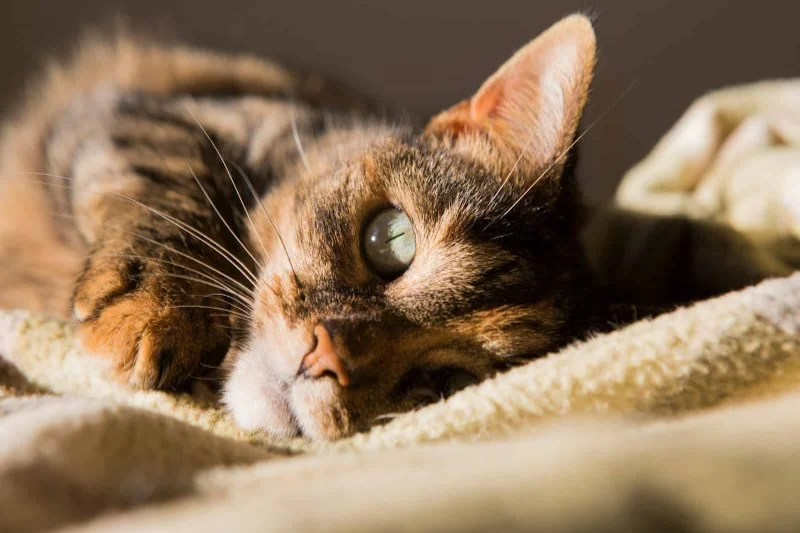
If you’ve ever held a kitten close, you’ve probably felt that soft, rhythmic vibration that seems to radiate warmth and calm. The science behind a kitten's purr frequency reveals that this comforting sound is more than just a sign of happiness—it’s a fascinating biological phenomenon.
Research suggests that kittens typically purr within a frequency range of about 25 to 150 Hertz. This range is particularly interesting because it overlaps with frequencies known to promote tissue healing and bone growth in mammals.
What makes this even more remarkable is that kittens begin purring just days after birth. It’s one of their earliest forms of communication, helping them bond with their mother and signal their well-being.

Ambassador Dog & Cat Hospital
Los AngelesLos Angeles CountyCalifornia
3684 Beverly Blvd, Los Angeles, CA 90004, USA
How Kittens Physically Create the Purring Sound
1. The Role of the Brain and Nervous System
1.1 Neural Oscillation
The process begins in the kitten’s brain, where a neural oscillator sends rhythmic signals to the laryngeal muscles.

1.2 Muscle Contraction
These signals cause rapid contractions of the muscles surrounding the vocal cords, opening and closing the glottis.
2. Breathing and Airflow Interaction
2.1 Inhalation and Exhalation
Unlike many vocalizations, purring occurs both when a kitten inhales and exhales.
2.2 Continuous Vibration
This dual-phase sound production creates the steady, soothing vibration we recognize as purring.
3. Why the Frequency Matters
The specific frequency range is not random. It aligns with natural frequencies that can stimulate physical and emotional responses, both in the kitten and in humans.
The Hidden Benefits of a Kitten’s Purr
1. Self-Healing Mechanism
1.1 Bone and Tissue Repair
Studies indicate that low-frequency vibrations can encourage healing. This may explain why cats recover from injuries more quickly than many other animals.
1.2 Stress Reduction
Purring may help regulate a kitten’s stress levels, especially in unfamiliar environments.
2. Emotional Communication
2.1 Bonding with Humans
Kittens often purr when being held or petted, reinforcing positive interactions.
2.2 Signaling Safety
A steady purr can indicate that the kitten feels secure and comfortable.
3. Benefits for Humans
Interestingly, the calming effect of a kitten’s purr can lower human stress levels and even reduce blood pressure. Many pet owners describe it as a natural form of therapy.
A Real Story That Highlights the Power of Purring
A pet owner in Chicago once shared how their rescued kitten would purr constantly during its recovery from a minor injury. Despite initial concerns, the kitten healed quickly and seemed unusually calm throughout the process.
Veterinarians explained that the purring itself might have contributed to the healing process. The vibration frequency could have helped stimulate tissue repair while also keeping the kitten relaxed.
Stories like this have gained attention online, sparking curiosity about the deeper science behind feline behavior and reinforcing the idea that purring serves multiple purposes.
Decoding What Different Purring Sounds Indicate
1. Contentment and Comfort
1.1 Soft, Steady Purr
Usually indicates that the kitten is relaxed and happy.
1.2 Accompanied by Relaxed Body Language
Look for slow blinking, kneading, or curling up.
2. Seeking Attention
2.1 Slightly Higher Pitch
Kittens may adjust their purr to get your attention, especially when hungry.
2.2 Persistent Behavior
They might follow you or vocalize alongside purring.
3. Discomfort or Anxiety
3.1 Irregular Rhythm
Not all purring means happiness. Some kittens purr when they are stressed or in pain.
3.2 Context Matters
Always consider the environment and other behavioral cues.
How to Encourage Healthy and Happy Purring
1. Create a Comfortable Environment
1.1 Safe Spaces
Provide cozy beds and quiet areas where your kitten can relax.
1.2 Consistent Routine
Regular feeding and playtimes help reduce stress.
2. Engage in Gentle Interaction
2.1 Petting Techniques
Most kittens enjoy gentle strokes along the back and under the chin.
2.2 Playtime Balance
Interactive toys can stimulate both physical and emotional well-being.
3. Choose Quality Care Resources
Providing the right products and guidance can make a big difference in your kitten’s development. Platforms like Omnia Pet offer helpful recommendations for food, toys, and care essentials that support a healthy, happy pet.
Understanding the science behind a kitten's purr frequency gives us a deeper appreciation for these small but powerful companions. What seems like a simple sound is actually a complex blend of biology, communication, and healing—making every purr a little more meaningful.



 Pet Supplies Plus Whitestown4.0 (324 reviews)
 Jamaica Plain Animal Clinic4.0 (179 reviews)
 South River Veterinary Clinic4.0 (179 reviews)
 VIP Petcare Vaccination Clinic0.0 (0 reviews)
 PetSmart Veterinary Services - Gilbert5.0 (22 reviews)
 Petco4.0 (1198 reviews)
 How to Train Your Kitten to Play Dead
 The Best Diet for a Bengal Kitten's Wild Ancestry: A Complete Guide
 Why Do Kittens Like to Sleep in Sunbeams? Discover the Benefits of Sunbathing
 How to Choose the Best Diet for a Ragdoll Kitten's Gentle Nature
 Why Does My Cat Bite Me Gently? Love Bites Explained
 The Best Pet Camera to Talk to Your Kitten Remotely