
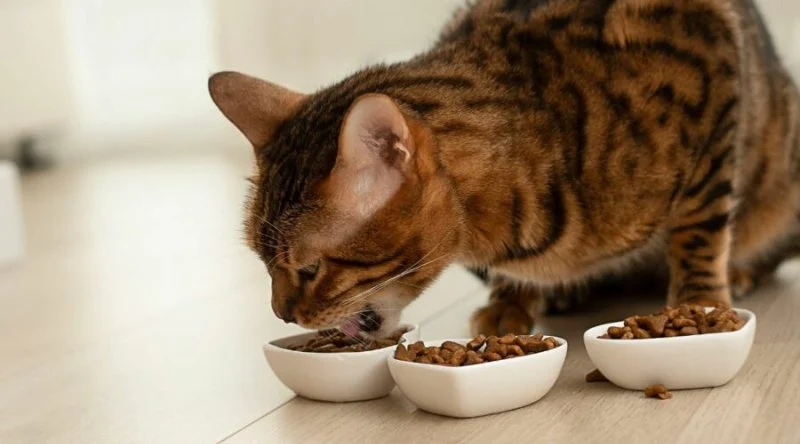
1. Bengal Kitten’s Wild Ancestry
Bengal kittens are a unique breed with a striking wild ancestry, often traced back to the Asian leopard cat. This wild heritage influences their dietary needs and preferences. Understanding these traits is crucial when selecting the best diet for a Bengal kitten, as they need a more protein-rich and balanced meal than your typical domestic cat. The wild diet of their ancestors consisted of small mammals and birds, which helps us understand why Bengal kittens thrive on high-protein foods.

We Talk Pets! Animal Hospital
UplandSan Bernardino CountyCalifornia
1042 N Mountain Ave A, Upland, CA 91786, USA
2. Essential Nutrients for Bengal Kittens
When choosing food for your Bengal kitten, it's important to focus on the following nutrients:
- Protein: Bengal kittens require a high-protein diet due to their energetic nature. Protein supports muscle development and overall growth.
- Fats: Healthy fats are essential for energy and coat health. Look for food with omega-3 and omega-6 fatty acids.
- Vitamins and Minerals: Essential vitamins like Vitamin A, D, and B12 help with growth, immunity, and bone health.
- Water: Hydration is vital, especially with dry food. Make sure your kitten has access to fresh water at all times.
3. Choosing the Right Food for Your Bengal Kitten
There are several options when it comes to selecting food for your Bengal kitten. Here’s a breakdown of what to look for:
- Raw Food Diet: Some owners choose a raw food diet that mimics the kitten's ancestral diet. This is a natural way to provide high-protein, low-carbohydrate nutrition.
- High-Quality Wet Food: Wet food is often recommended for Bengals, as it helps them stay hydrated and provides the necessary nutrients. Look for products that list meat as the first ingredient.
- Dry Food: While convenient, dry food should be high in protein and low in fillers like corn and soy. You can also mix dry food with wet food for variety.
4. Feeding Tips for Bengal Kittens
Feeding a Bengal kitten requires a careful balance of nutrition and portion control:
- Frequent Meals: Kittens have high energy demands, so feeding them 3-4 times a day is ideal for optimal growth.
- Portion Control: Overfeeding can lead to obesity. Make sure you follow the recommended serving sizes based on your kitten's weight and age.
- Gradual Food Transitions: If you are changing your kitten’s diet, do so gradually over a week to avoid stomach upset.
5. Common Mistakes to Avoid
Even experienced cat owners can make mistakes when feeding their Bengal kittens. Here are some common errors to watch out for:
- Feeding Low-Quality Food: Avoid foods with too many fillers and by-products. Focus on protein-rich options that support their wild ancestry.
- Neglecting Hydration: Bengals often don’t drink enough water if fed only dry food, so always ensure they have access to wet food or fresh water.
- Ignoring Portion Sizes: Proper portion control is key to preventing obesity and ensuring your kitten grows at a healthy rate.



 Vetco Vaccination Clinic4.0 (1 reviews)
 The Luxe Haven5.0 (1 reviews)
 Predatorfins3.0 (2 reviews)
 Echo Vet Cardio5.0 (3 reviews)
 PetTee Apparel - Where Pets Come to Shop5.0 (8 reviews)
 Allenwood Animal Hospital4.0 (145 reviews)
 How to Stop Your Dog from Begging at the Dinner Table: Effective Tips
 The Benefits of Adopting a Senior Pet vs. a Puppy or Kitten
 The Truth About Probiotics for Dogs: Do They Really Work?
 How to Give a Pill to a Cat: Stress-Free Techniques That Work
 The Best DIY Cat Toys You Can Make in 5 Minutes
 Understanding Why Your Cat Is Hiding: Behavioral and Medical Causes