
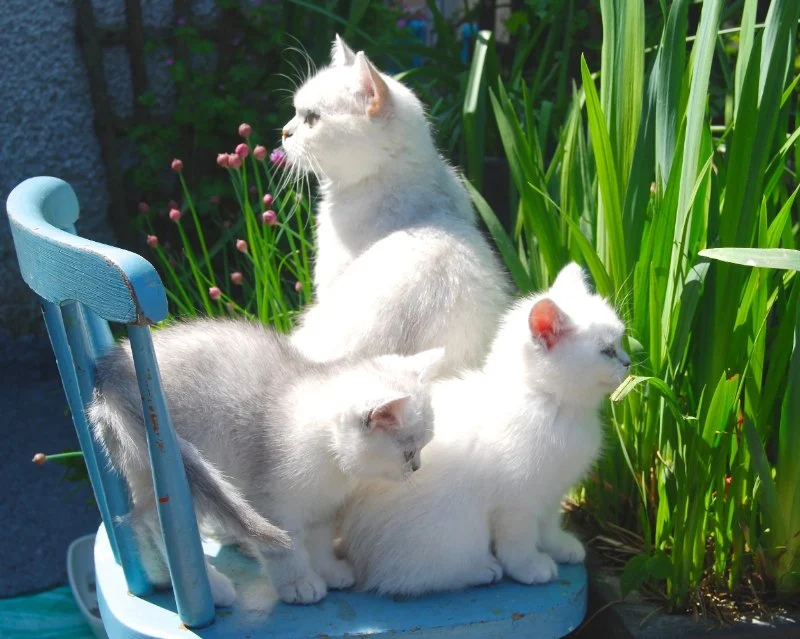
Understanding a Kitten’s Immune System
The immune system is essential for protecting your kitten against harmful pathogens, infections, and diseases. From birth, a kitten’s immune system is relatively underdeveloped, and it relies heavily on the mother's milk and natural environmental factors to build up its defenses. But how does this process work? What happens when a kitten’s immune system starts to mature? In this article, we will explore the science behind a kitten’s immune system development, providing insights into the stages of growth and how you can support your kitten’s health.

Dakota Veterinary Center
White PlainsWestchester CountyNew York
381 Dobbs Ferry Rd, White Plains, NY 10607, USA
Key Stages of Immune System Development
Kittens go through several critical stages of immune system development as they grow. These stages are crucial for building their ability to fight infections and protect themselves as they grow older.
1. Neonatal Stage (0–2 Weeks)
At birth, a kitten’s immune system is essentially "naive," meaning it has no exposure to pathogens. The first and most important source of immune protection during the neonatal stage is the colostrum, or first milk, that kittens receive from their mother. Colostrum is rich in antibodies, particularly immunoglobulin G (IgG), which helps protect the newborn kitten from diseases during the early weeks of life. This passive immunity is essential, as it provides immediate protection against infections while the kitten’s immune system is still developing.
2. Transitional Stage (2–4 Weeks)
As the kitten grows, its immune system begins to mature. During this transitional period, the kitten starts to produce its own antibodies, although its immune system is still largely dependent on the passive immunity it received from its mother. This is when the kitten’s body begins to learn to recognize and fight off pathogens on its own. During this stage, the kitten becomes more active and starts interacting with its environment, which helps expose it to new antigens and stimulates the immune system further.
3. Socialization Stage (4–8 Weeks)
By the time your kitten reaches around 4 weeks, its immune system is beginning to be more capable of independent defense, though it still relies on its mother’s milk. At this stage, the kitten may begin receiving vaccinations. The exposure to the outside world and the introduction of new environments and animals also increase the kitten’s immune system's ability to respond to threats. This is the time when a kitten's immune defenses are becoming much stronger, but they are still building their long-term immunity.
4. Juvenile Stage (8 Weeks and Beyond)
By the time kittens reach 8 weeks of age, their immune systems are much more robust. They are able to produce a wide variety of antibodies on their own and can mount stronger responses to infections. During this stage, kittens continue to receive vaccinations, which further enhance their ability to fight off diseases. By 12 weeks, most kittens are ready to be fully vaccinated and prepared for a new, healthy life with a strong immune system capable of defending against a variety of pathogens.
How to Support Your Kitten’s Immune Health
While kittens go through a natural process of immune system development, there are steps you can take to help support and strengthen their immune health. Here are some tips to ensure your kitten’s immune system is well-supported:
1. Provide High-Quality Nutrition
Good nutrition plays a vital role in strengthening a kitten’s immune system. A balanced diet rich in essential nutrients, such as proteins, vitamins, and minerals, helps support healthy immune function. Look for kitten-specific foods that are specially formulated for their growing bodies. These foods are designed to meet the nutritional needs of kittens at different stages of development.
2. Ensure Proper Vaccinations
Vaccinations are critical for providing your kitten with long-term protection against various infectious diseases. Ensure your kitten receives all recommended vaccinations according to your veterinarian's schedule, typically starting at 8 weeks and continuing through 16 weeks. These vaccines stimulate the kitten’s immune system to recognize and fight specific pathogens.
3. Keep Your Kitten in a Clean Environment
Keeping your kitten in a clean and safe environment reduces their risk of exposure to harmful pathogens. Regularly disinfect your kitten’s living space and limit exposure to other animals who may carry infections. If you have other pets, make sure they are up to date on their vaccinations as well.
4. Minimize Stress
Stress can negatively affect your kitten’s immune system. A stressed kitten may be more susceptible to illness and infections. Try to provide your kitten with a calm, comfortable environment. Consistent routines, safe spaces, and positive interactions help reduce stress and promote immune health.
5. Regular Veterinary Check-ups
Regular check-ups with your veterinarian are crucial to monitor your kitten's health and immune development. Your vet can ensure that vaccinations are on track, provide guidance on nutrition, and check for any underlying health conditions that may affect the immune system.
Common Immune System Issues in Kittens
While kittens naturally develop a strong immune system over time, there are certain conditions that can affect their immune health. Here are some of the common immune system issues that kittens may face:
1. Feline Leukemia Virus (FeLV)
Feline leukemia virus (FeLV) is a viral infection that can compromise a kitten’s immune system. It weakens the immune system, making kittens more vulnerable to other infections. Kittens can be exposed to FeLV through close contact with infected cats, so vaccination is important for prevention. Early detection and treatment can help manage the disease.
2. Feline Immunodeficiency Virus (FIV)
Feline immunodeficiency virus (FIV) is another condition that can affect a kitten’s immune system. FIV weakens the immune system and leaves kittens susceptible to secondary infections. Like FeLV, FIV can be prevented through responsible pet care and vaccination.
3. Worms and Parasites
Internal parasites, such as worms, can also compromise a kitten’s immune system by depriving it of nutrients. These parasites can weaken the kitten’s immune response, making it more difficult to fight off infections. Regular deworming and preventive care can help protect kittens from these issues.
By understanding how your kitten’s immune system develops and how you can support it, you’ll be able to help your little friend grow into a strong, healthy cat. Providing high-quality food, proper vaccinations, and a clean environment is essential to their overall health and well-being.
If you’re looking for the best products to support your kitten’s health and immune system, check out Omnia Pet, where we offer a range of high-quality items designed to keep your kitten happy and healthy!


 AE Herps and Exotics4.0 (606 reviews)
 Vetco Vaccination Clinic4.0 (16 reviews)
 Petco4.0 (282 reviews)
 Doggy Dao & Cat's Meow4.0 (85 reviews)
 Denise's Parrot Place4.0 (175 reviews)
 Forest Hills Cat Hospital4.0 (406 reviews)
 A Guide to Kitten-Proofing Your Christmas Tree: Tips for a Safe Holiday Season
 The Dangers of Antifreeze for Pets and How to Prevent Poisoning
 The Best Diet for a Bengal Kitten's Wild Ancestry: A Complete Guide
 How to Introduce Your Kitten to a Cat Backpack
 The Top 10 Rare Cat Breeds You've Never Heard Of
 The Best Robot Vacuums for Pet Hair: Tested and Reviewed for 2026