- Understanding Why Kittens Steal Dog Food
- Why Do Kittens Steal Dog Food?
- Preventing Your Kitten from Eating Dog Food
- Training Tips for a Better Eating Routine
- Recommended Products for Managing Food Theft
Understanding Why Kittens Steal Dog Food
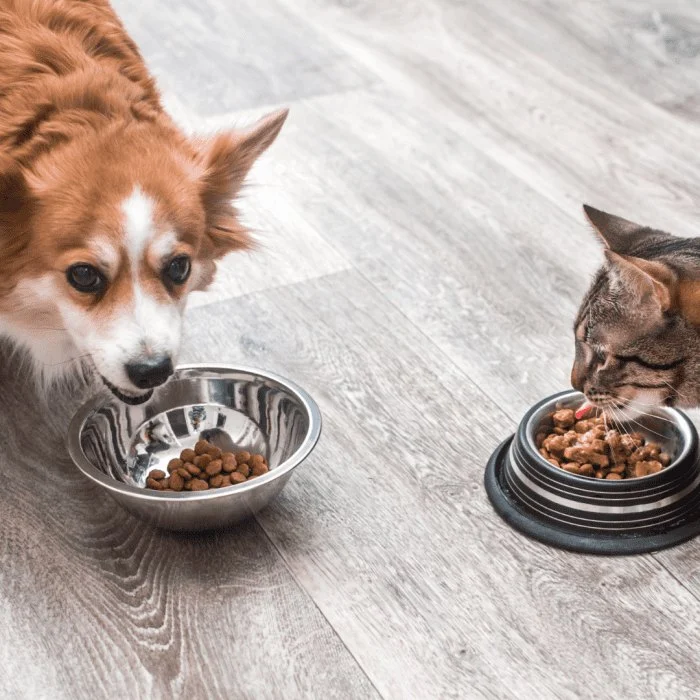
If you have a kitten and a dog, you might have noticed that your kitten loves to steal food from your dog's bowl. While this behavior can be frustrating, it’s important to understand why your kitten does this. Cats and dogs are very different when it comes to eating habits, and a kitten’s tendency to steal food could be linked to curiosity, hunger, or even their natural instincts. In this guide, we’ll dive into the reasons why kittens steal dog food and share helpful strategies for preventing this behavior.
Valley Veterinary Hospital
San GabrielLos Angeles CountyCalifornia
1007 E Valley Blvd, San Gabriel, CA 91776, USA
Instincts and Curiosity
Kittens are naturally curious creatures. When they see food, especially food that belongs to another animal, they may be driven by the instinct to explore or even “steal” it. This behavior can be heightened if your kitten has seen your dog eating from their bowl, which may encourage them to do the same.

Newport Harbor Animal Hospital
Costa MesaOrange CountyCalifornia
125 Mesa Dr, Costa Mesa, CA 92627, USA
Hunger or Overeating
Another reason a kitten might steal dog food is simply hunger. If the kitten is not being fed enough or is not satisfied with their own meals, they may look for extra food wherever it’s available. Additionally, some kittens might become overeaters, especially if their food is not fulfilling enough, leading them to search for more calories in your dog’s bowl.
Why Do Kittens Steal Dog Food?
Understanding why your kitten is stealing dog food is the first step in correcting this behavior. Below are some of the most common reasons behind this mischievous act:
1. Competition for Food
Sometimes, kittens see food as a resource to compete for. Even if your dog is eating, a kitten may feel the need to get involved, especially if the food appears tasty or is being consumed by a bigger animal. This is simply an instinctive behavior that mimics competition over resources in the wild.
2. The Smell of Dog Food
Dog food often has a stronger, more pungent aroma than cat food, which can attract a kitten’s attention. The scent can be irresistible, and your kitten may decide to try it out of curiosity or to satisfy their natural instinct to hunt and taste new things.
3. Lack of Boundaries
If your kitten has not been trained to respect boundaries, they may not understand that the dog’s food is off-limits. Cats, especially younger kittens, are often not aware of rules when it comes to eating, and this can lead them to freely explore the dog’s bowl.
Preventing Your Kitten from Eating Dog Food
Now that we’ve discussed why kittens may steal dog food, it’s time to tackle how you can prevent this behavior from happening. Below are some practical and effective strategies to ensure your kitten stays away from your dog’s food:
1. Separate Feeding Areas
One of the easiest ways to prevent food theft is by creating separate feeding areas for your kitten and your dog. By setting up distinct spaces for each pet, you reduce the likelihood of your kitten wandering into the dog’s food area. Consider using gates, closed doors, or separate rooms to ensure that your kitten has its own meal space.
2. Establish Feeding Times
Establishing a regular feeding schedule for both your kitten and dog can help minimize food-related conflicts. By feeding your kitten and dog at the same time, you can ensure that both pets are satisfied and don’t feel the need to go after each other’s food. Always supervise mealtime to prevent one pet from stealing the other’s food.
3. Use Elevated Bowls for Your Dog
Elevating your dog’s food bowl can make it harder for your kitten to reach and steal their food. This simple adjustment can help keep the food out of your kitten’s reach while still being accessible to your dog. Consider using a raised stand or placing the bowl on a surface that your kitten can’t easily access.
4. Reward Positive Behavior
Whenever your kitten shows restraint and avoids the dog’s food, make sure to reward them with praise or treats. Positive reinforcement helps to teach your kitten that leaving the dog’s food alone leads to rewards, which will encourage good behavior over time.
Training Tips for a Better Eating Routine
Training your kitten to avoid stealing dog food requires patience and consistency. Here are a few training tips that can help:
1. Use Redirecting Techniques
If your kitten approaches the dog’s food bowl, gently redirect them to their own bowl. You can use a favorite toy or treat to entice them back to their designated feeding area. Over time, they will learn to associate their food bowl with positive rewards, rather than your dog’s food.
2. Consistent Commands
Teach your kitten simple commands like “leave it” or “no” to help them understand boundaries. When they approach the dog’s food, use the command and reward them when they follow the instruction. Consistency is key in reinforcing this behavior.
3. Positive Reinforcement
As mentioned earlier, rewarding your kitten when they avoid the dog’s food is crucial. Positive reinforcement builds trust and encourages your kitten to follow the rules. The more they understand that avoiding the dog’s food leads to rewards, the less likely they will be to try to steal it.
Recommended Products for Managing Food Theft
If you’re looking for products to help manage food theft between your kitten and dog, here are some options that can assist with feeding time:
1. Elevated Dog Bowls
As mentioned earlier, elevated dog bowls are a great solution for keeping your dog’s food out of your kitten’s reach. These bowls are designed to be higher off the ground, making it more difficult for your kitten to access the food. You can find a variety of designs online that cater to different dog sizes.
2. Pet Gates
Pet gates can be used to separate your kitten and dog during feeding time. This creates a clear boundary between their food areas and ensures that each pet can enjoy their meal without interruption. Pet gates are available in various sizes and materials, and many are adjustable to fit different room sizes.
3. Automatic Pet Feeders
Automatic pet feeders can be a great way to regulate your kitten’s food intake and prevent them from sneaking over to the dog’s bowl. Many of these feeders allow you to set specific feeding times, ensuring that your kitten is fed on a consistent schedule and reducing the temptation to steal food.
For more helpful tips on managing your pets’ food habits and finding the best products, visit Omnia Pet to explore a range of pet-friendly products and services.

 Petco4.0 (1282 reviews)
 PetVet Vaccination Clinic5.0 (2 reviews)
 Four Paws and a Tail3.0 (1018 reviews)
 Birds & Beasts Pet Shop4.0 (785 reviews)
 Acton Animal Hospital4.0 (148 reviews)
 Poultney Veterinary Hospital4.0 (159 reviews)
 How to Tell if Your Kitten is a Mixed Breed (Complete Guide)
 Why Is My Dog Panting So Much? Normal Behavior vs. Emergency
 The Best Diet for a Birman Kitten's Blue Eyes
 How to Stop Your Cat from Yowling Excessively
 Why Does My Kitten Have a Double Coat? Understanding Your Kitten's Fur
 The Best Litter Box Location for a Kitten's Needs