
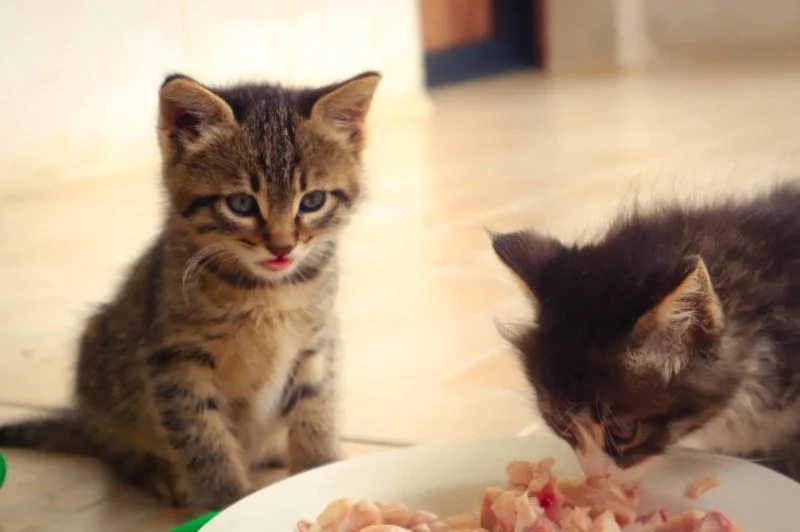
- 1. Introduction to Raw Food Diet for Cats
- 2. Pros of Feeding Your Cat a Raw Food Diet
- 3. Cons of a Raw Food Diet for Cats
- 4. Making the Switch: How to Transition Your Cat to Raw Food
- 5. Final Thoughts on Raw Food Diet for Cats
1. Introduction to Raw Food Diet for Cats
Raw food diets for cats have gained popularity in recent years, with pet owners looking for natural and holistic options for their pets' nutrition. The raw food diet, also known as the BARF (Biologically Appropriate Raw Food) diet, involves feeding cats raw meat, bones, organs, and other animal-based products. While proponents argue that a raw food diet mimics a cat's natural diet, there are important considerations to make before transitioning your cat to this type of feeding regimen.

URvet Care Midtown Medical Center
New YorkNew York CountyNew York
252 E 57th St, New York, NY 10022, USA
2. Pros of Feeding Your Cat a Raw Food Diet
Advocates of raw food diets for cats argue that this approach can provide several health benefits, including:
- Improved Coat and Skin Health: Raw food diets, particularly those rich in omega-3 fatty acids, can improve the texture and shine of your cat's fur, leading to healthier skin.
- Better Digestion: Cats on a raw food diet often experience better digestion. Raw meat is highly digestible, and the natural enzymes in raw food can aid in breaking down proteins and fats.
- Healthier Teeth and Gums: Chewing raw bones and meat can help clean your cat’s teeth and improve dental health, potentially reducing the need for dental cleanings.
- Increased Energy and Vitality: Many pet owners report that their cats exhibit higher energy levels and improved overall health when fed raw food.
- Weight Management: A raw food diet is typically higher in protein and lower in carbohydrates, which can help cats maintain a healthy weight and reduce the risk of obesity.
3. Cons of a Raw Food Diet for Cats
While there are benefits to feeding your cat a raw food diet, there are also significant drawbacks to consider:
- Risk of Bacterial Contamination: Raw meat can carry harmful bacteria like Salmonella and E. coli, which can pose a health risk to both your cat and the humans in your household. Proper handling and storage are crucial to prevent contamination.
- Unbalanced Nutrients: A raw food diet can be difficult to balance properly, and without careful preparation, it can result in deficiencies or excesses in essential nutrients, including vitamins and minerals.
- Cost and Convenience: Raw food diets can be expensive and time-consuming to prepare. Many pet owners find it challenging to source quality raw ingredients or prepare balanced meals consistently.
- Potential for Bone-Related Injuries: While bones can help clean teeth, there’s also a risk of your cat choking on or fracturing teeth with certain raw bones. It's important to provide safe, appropriately sized bones.
- Risk of Parasites: Raw meat can carry parasites such as tapeworms and roundworms, which can affect your cat’s health if not properly handled or cooked.
4. Making the Switch: How to Transition Your Cat to Raw Food
If you decide to transition your cat to a raw food diet, it's important to do so gradually and with care. Here’s how you can make the switch:
- Start Slow: Begin by mixing small amounts of raw food with your cat’s current food to allow their digestive system to adjust.
- Ensure Balance: Work with a veterinarian or pet nutritionist to ensure that the raw food diet is balanced and provides all the necessary nutrients your cat needs.
- Monitor Health: Keep an eye on your cat's health during the transition. If you notice any digestive issues, weight loss, or other signs of discomfort, consult your vet for guidance.
- Quality Ingredients: Ensure that you are sourcing high-quality, human-grade meat from reputable suppliers to minimize the risk of contamination and nutritional imbalance.
5. Final Thoughts on Raw Food Diet for Cats
Feeding your cat a raw food diet can offer several health benefits, but it’s not without risks. As with any dietary change, it's important to carefully weigh the pros and cons and consult with your veterinarian before making any significant changes to your cat’s diet. If you choose to transition to raw food, be sure to follow proper food safety guidelines and ensure that your cat's diet remains nutritionally balanced. For more information and pet food options, visit Omnia Pet.


 Islip Animal Hospital4.0 (205 reviews)
 TDBBS3.0 (27 reviews)
 Hollywood Feed4.0 (192 reviews)
 43rd Avenue Animal Hospital4.0 (424 reviews)
 FetchIQ0.0 (0 reviews)
 Howls and Meows Barkery5.0 (58 reviews)
 The Benefits of Adopting a Senior Pet vs. a Puppy or Kitten – Why Older Pets Make Great Companions
 Why Does My Kitten Have a Bald Spot? Common Causes and Treatment Options
 The Best Weaning Foods for Kittens Transitioning from Milk
 The Best Dog Breeds for Seniors and Retirees Looking for Companionship
 How to Help a Kitten with a Cold Sore
 How to Keep Your Cat's Litter Box from Smelling