
Why Is My Kitten's Poop Green?
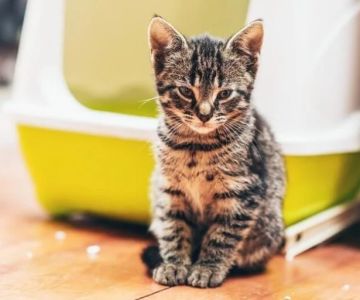
Seeing green poop in the litter box can catch any kitten owner off guard. Many people immediately worry that something is seriously wrong, but the truth is often more nuanced. When asking, “Why is my kitten's poop green?” the answer usually sits somewhere between diet changes and temporary digestive reactions.
Stool color is one of the clearest windows into a kitten’s digestive health. Because kittens have sensitive systems that are still developing, even small changes can show up quickly in their poop.

BeWell Animal Hospital
Los AngelesLos Angeles CountyCalifornia
275 S Atlantic Blvd Unit B, Los Angeles, CA 90022, USA
How Kitten Digestion Affects Stool Color
A kitten’s digestive tract works fast. When food moves through the intestines too quickly, bile doesn’t have enough time to change from green to brown. This alone can explain why green stool sometimes appears, especially during periods of stress or excitement.
Young kittens are also adjusting to new foods, environments, and routines. Their digestive systems are learning how to process nutrients efficiently, so brief color changes are not uncommon during early growth stages.

Animal Eye Clinic Wilton
WiltonWestern Connecticut Planning RegionConnecticut
783 Danbury Rd, Wilton, CT 06897, USA
Diet-Related Causes of Green Poop
Diet is one of the most common explanations behind green poop in kittens. A sudden switch in food, especially from one brand to another, can temporarily upset digestion. Some kitten foods contain higher levels of certain dyes or plant-based ingredients that may tint stool green.
Treats, flavored supplements, or even licking something unusual off the floor can also affect stool color. In multi-pet households, kittens sometimes sneak bites of adult pet food, which their systems may not be ready to handle yet.
Health Issues Linked to Green Stool
While diet is often the cause, green poop can sometimes point to health concerns. Intestinal parasites, mild infections, or bacterial imbalances may speed up digestion or irritate the gut lining. In these cases, green stool may appear alongside other changes like softer texture or increased frequency.
It’s important to look at the full picture. Energy levels, appetite, hydration, and behavior provide valuable clues. Green poop on its own is usually less concerning than green poop paired with lethargy or ongoing discomfort.
Real-Life Examples from Kitten Owners
Many kitten owners share similar stories online. One common scenario involves adopting a kitten and gradually transitioning to a new food. During that transition week, green stool appears but disappears once the diet stabilizes. These experiences highlight how sensitive kittens are show that patience and careful observation often solve the issue.
Another example involves kittens recovering from mild stomach bugs. Owners notice green stool for a few days, followed by a return to normal as digestion settles. These real-life cases help normalize what can feel alarming at first.
When to Monitor and When to Act
If your kitten is playful, eating well, and acting normally, monitoring the situation is often enough. Keeping note of food changes, stool consistency, and frequency can help identify patterns.
However, if green poop lasts more than a few days or appears with vomiting, weight loss, or noticeable fatigue, it’s time to take action. Early attention helps prevent small digestive issues from becoming bigger problems.
Supporting Healthy Digestion in Kittens
Supporting your kitten’s digestion starts with consistency. Gradual food transitions, age-appropriate nutrition, and clean water all contribute to stable gut health. Reducing stress during moves or introductions also helps digestion stay balanced.
For kitten owners looking for reliable nutrition options, digestive support products, or trusted pet care services, Omnia Pet is often a helpful place to explore well-matched products and recommendations tailored to young pets.
Understanding why a kitten’s poop turns green empowers owners to respond calmly and thoughtfully. With attentive care and informed choices, most digestive hiccups resolve quickly, allowing kittens to get back to growing, playing, and thriving.
 Scales 'N Tails Las Vegas #24.0 (572 reviews)
 San Tan Animal Hospital4.0 (1736 reviews)
 World Wide Corals4.0 (1396 reviews)
 Banfield Pet Hospital4.0 (129 reviews)
 Rosecrans Veterinary Clinic4.0 (33 reviews)
 All The Best Pet Care - Burien4.0 (158 reviews)
 Why Do Mother Cats Move Their Kittens? Understanding Feline Behavior
 How to Clean Your Cat's Litter Box Thoroughly
 The Best Dental Treats for Cats to Reduce Plaque
 Why Is My Kitten's Poop Green? Diet and Health
 The Best Ways to Keep Your Cat's Coat Shiny and Healthy
 How to Help a Kitten with a Cold Sore