
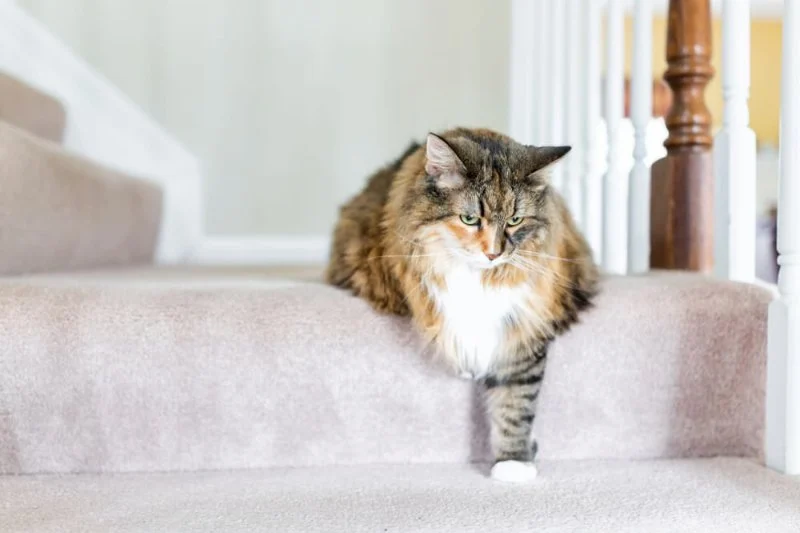
1. Understanding Feline Arthritis
Feline arthritis is a common condition that affects older cats. It occurs when the cartilage in the joints wears down, causing pain and stiffness. This condition can significantly affect a cat’s mobility and quality of life, but with the right care, it can be managed effectively.

2. Symptoms and Signs of Arthritis in Cats
Signs of feline arthritis often include difficulty jumping, limping, and changes in behavior. Cats may become less active or may be more irritable due to the pain. Some cats may even stop using the litter box due to the pain of jumping in and out.

3. Treatment Options for Feline Arthritis
There are various treatment options for cats suffering from arthritis. These include:
- Medication: Non-steroidal anti-inflammatory drugs (NSAIDs) prescribed by a veterinarian can help manage pain and inflammation.
- Joint Supplements: Omega-3 fatty acids and glucosamine supplements may support joint health and reduce pain.
- Physical Therapy: Gentle exercises and stretches may improve mobility and relieve pain.
4. Managing Your Cat's Pain at Home
In addition to medical treatments, there are several things you can do at home to improve your cat's comfort:
- Provide Comfortable Resting Areas: Soft bedding in warm areas can help your cat feel more comfortable.
- Limit Strenuous Activity: Encourage gentle play and avoid activities that could strain your cat's joints.
- Monitor Your Cat's Weight: Excess weight can put additional strain on your cat’s joints, so maintaining a healthy weight is essential.
5. When to Seek Veterinary Help
If your cat’s arthritis symptoms are not improving with home care or medications, it is crucial to consult a veterinarian. Your vet can help adjust treatment plans, provide stronger medications, or even recommend surgery if necessary.






 Marina Hills Animal Hospital4.0 (181 reviews)
 Cherry Scott a DVM0.0 (0 reviews)
 Paw Time Puppies4.0 (92 reviews)
 woodlawn pets & More3.0 (265 reviews)
 ChefPaw5.0 (2 reviews)
 Your Basic Bird4.0 (187 reviews)
 Why Do Cats Hate Water? The Evolutionary Reasons
 The Best Pet Camera with a Treat Dispenser for Kittens – Top Picks for Pet Parents
 Why Do Cats Bring You Their Toys? The Hunting Gift
 How to Train Your Kitten to Use a Flushable Litter Box
 The Science of a Kitten's Hearing Development: Understanding Their Sensory Growth
 How to Help a Scared or Feral Cat Trust You