
- 1-Understanding-Anal-Glands-in-Dogs
- 2-Why-Anal-Gland-Expression-Is-Important
- 3-Signs-Your-Dog-May-Need-Anal-Gland-Expression
- 4-Methods-of-Anal-Gland-Expression
- 5-At-Home-vs-Professional-Care
- 6-Prevention-and-Maintenance-Tips
- 7-Real-Life-Examples-and-Case-Studies
- 8-Recommended-Products-and-Services
1. Understanding Anal Glands in Dogs
Anal glands, also known as anal sacs, are small paired glands located on either side of a dog’s anus. They produce a strong-smelling secretion used for communication and territorial marking in wild canids. In domestic dogs, these glands typically empty naturally during defecation. However, blockages or impaction can occur, leading to discomfort and potential infections.
Understanding how anal glands function helps owners identify issues early and prevent complications. When functioning properly, anal glands contribute to a dog’s natural scent communication. When blocked, dogs may scoot, lick excessively, or show signs of irritation. Early intervention is key to maintaining canine comfort and health.
1.1 Anatomy and Function
- Located at approximately 4 and 8 o’clock positions around the anus
- Secrete a pungent, oily substance for marking territory
- Normally emptied during normal bowel movements
- Blockage can lead to discomfort, swelling, and infection
2. Why Anal Gland Expression Is Important
Anal gland expression relieves pressure and prevents complications. Dogs with recurring impaction may experience pain, infection, or abscess formation. Expression can be performed manually by trained professionals or under veterinary guidance, ensuring proper gland emptying and minimizing risk of injury.
Regular monitoring and expression, when necessary, help maintain anal gland health and overall well-being, especially for small breed dogs or overweight pets prone to impaction.

VIP Petcare Vaccination Clinic
West CaldwellEssex CountyNew Jersey
756 Bloomfield Ave, West Caldwell, NJ 07006, USA
2.1 Benefits of Regular Expression
- Prevents painful impaction and infections
- Reduces scooting and excessive licking behaviors
- Maintains proper anal gland function for overall hygiene
- Can improve comfort and quality of life for dogs prone to gland issues
3. Signs Your Dog May Need Anal Gland Expression
Recognizing early signs of anal gland discomfort helps owners act promptly:
3.1 Scooting or Dragging Hindquarters
Dogs may scoot across floors to relieve discomfort when glands are full or impacted.
3.2 Excessive Licking or Biting
Persistent licking of the anal area is a common indicator of irritation or blockage.
3.3 Swelling or Redness
Visual inspection may reveal swelling, redness, or abnormal discharge near the anus.
3.4 Foul Odor
Anal gland issues often produce a strong, fishy smell, noticeable when the dog has gland trouble.
3.5 Behavioral Changes
Pain or discomfort may manifest as irritability, restlessness, or reluctance to sit.
4. Methods of Anal Gland Expression
Anal gland expression can be performed in several ways depending on severity and comfort level.
4.1 Manual Expression
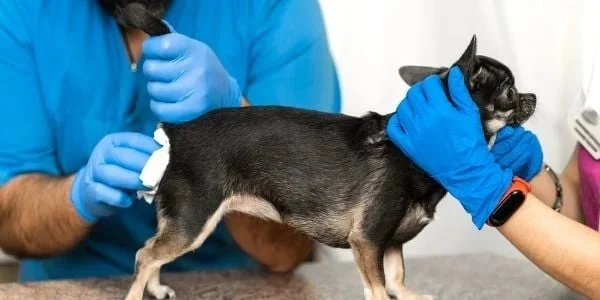
Professionals gently squeeze the glands to release fluid. This requires proper technique to avoid injury, making professional guidance crucial.
4.2 Veterinary-Assisted Expression
In cases of severe impaction or infection, veterinarians may sedate dogs for safe expression. This ensures complete emptying and allows treatment of any secondary infections.
4.3 Home Expression
Some experienced pet owners perform home expression under guidance. Proper hygiene, protective gloves, and gentle technique are essential to prevent discomfort and infection.
5. At-Home vs Professional Care
While occasional home expression may be feasible, professional care ensures safety and efficacy.
5.1 When to Seek Professional Help
- Persistent or severe scooting, licking, or swelling
- Signs of infection such as pus or blood
- Difficulty or pain during expression
- Repeated impaction despite home care
5.2 Home Care Precautions
If performing expression at home, follow proper techniques, use gloves, and work in a clean environment. Always monitor your dog for discomfort and consult a veterinarian if issues persist.
6. Prevention and Maintenance Tips
Preventing anal gland issues reduces the need for frequent expression and promotes comfort.
6.1 High-Fiber Diet
A diet rich in fiber helps firm stools, naturally assisting anal gland emptying during defecation.
6.2 Regular Exercise
Physical activity supports bowel movements and overall health, reducing risk of gland impaction.
6.3 Routine Check-Ups
Veterinary visits allow monitoring of anal gland health, early detection of problems, and guidance for preventive care.
6.4 Weight Management
Overweight dogs are more prone to anal gland problems. Maintaining a healthy weight reduces pressure on glands and aids proper function.
7. Real-Life Examples and Case Studies
Learning from actual cases helps owners understand practical management:
7.1 Bella’s Case
Bella, a small Chihuahua, frequently scooted and licked her rear. Professional anal gland expression relieved her discomfort, and a high-fiber diet prevented recurrence. Bella’s story emphasizes the importance of early intervention and dietary management.
7.2 Max’s Infection
Max, a Labrador, developed an anal gland infection due to repeated impaction. Veterinary-assisted expression and antibiotics resolved the infection. This case underscores the importance of professional care for severe issues.
8. Recommended Products and Services
Omnia Pet recommends several solutions to support anal gland health and overall canine comfort:
- High-fiber dog food to promote natural expression
- Pet wipes and hygiene products for post-expression cleaning
- Professional grooming and veterinary services for safe expression
- Guides and tutorials on safe home expression techniques
Using these products and services ensures proper anal gland care, reduces discomfort, and promotes healthy, happy dogs.

 Pop's Birding0.0 (0 reviews)
 Vet Villa Animal Hospital4.0 (453 reviews)
 Garden City Veterinary Care4.0 (254 reviews)
 Clark Lesley DVM5.0 (4 reviews)
 Tracy Feed & Pet Store, Inc.4.0 (40 reviews)
 Reefwise4.0 (152 reviews)
 The Best Toy for a Kitten's Prey Drive: Feather Wands
 How to Train Your Cat to Use a Flushable Toilet System
 Understanding Common Health Issues in Guinea Pigs: A Guide to Care and Prevention
 The Most Unusual Pets That Are Legal to Own in the US | Unique Pet Ideas
 The Best Ways to Build a Kitten's Immune System: Expert Tips for a Healthy Start
 Understanding FIV and FeLV in Cats: Transmission, Symptoms, and Care