
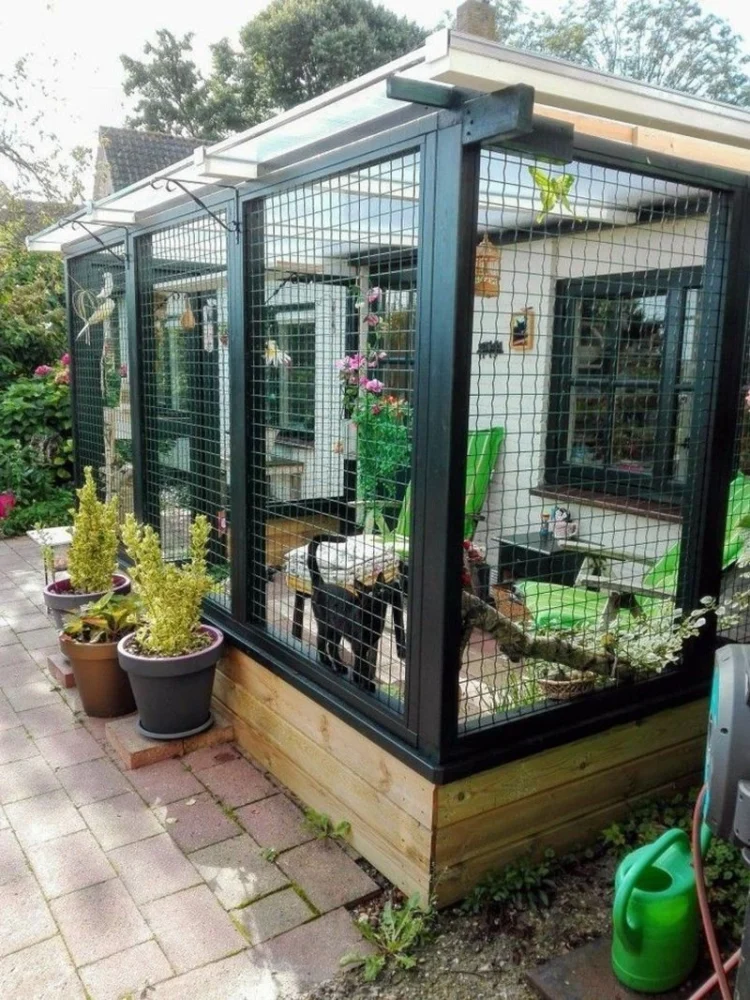
- -How to Create a Safe Outdoor Enclosure for Your Cat-Understanding Safety and Comfort
- -Choosing the Right Location-Backyard Planning and Space Design
- -Materials and Structure-Building a Secure Catio Step by Step
- -Enrichment and Comfort-Designing a Space Your Cat Will Love
- -Real Owner Experiences-Common Mistakes and Smart Solutions
How to Create a Safe Outdoor Enclosure for Your Cat: Understanding Safety and Comfort
Many cat owners in the United States want their pets to experience fresh air, sunshine, and natural stimulation without facing the risks of roaming freely. Learning how to create a safe outdoor enclosure for your cat offers the best of both worlds: freedom to explore and protection from danger. With thoughtful planning, an outdoor cat enclosure can become a favorite place where your pet relaxes, plays, and observes the world.

1. Why Outdoor Access Matters for Indoor Cats
Cats are naturally curious animals. Even indoor cats show interest in birds, leaves moving in the wind, and new scents. A well-designed enclosure gives them a controlled environment where they can express these instincts safely.

Spring House Animal Hospital
AmblerMontgomery CountyPennsylvania
617 N Bethlehem Pike, Ambler, PA 19002, USA
1.1 Mental Stimulation and Health Benefits
Exposure to outdoor sights and sounds keeps cats mentally active. Watching birds, feeling the breeze, and exploring new textures can reduce boredom and anxiety. Pet behavior specialists often point out that a cat with daily enrichment tends to be calmer indoors.
1.2 Safety Compared to Free Roaming
In many neighborhoods, traffic, wildlife, and unfamiliar pets create risks. A secure outdoor structure protects cats while still allowing them to enjoy the environment.
2. Understanding What Makes an Enclosure Truly Safe
Before building, it is important to understand what safety means from a cat’s perspective. Cats can climb, squeeze through small gaps, and jump surprisingly high. A proper design must account for these abilities.
2.1 Preventing Escapes
Strong mesh, a covered top, and secure entry points help ensure your pet stays safe inside. Even confident indoor cats may try to chase something they see outside.
2.2 Protection from External Threats
A well-built enclosure also protects cats from stray animals and unexpected environmental hazards.
Choosing the Right Location: Backyard Planning and Space Design
Location is one of the most important decisions when planning how to create a safe outdoor enclosure for your cat. The right placement improves comfort and encourages regular use.
1. Connecting Indoor and Outdoor Spaces
Many cat owners prefer to attach the enclosure to a window, patio, or back door. This allows the cat to move between indoor and outdoor areas easily.
1.1 Sunlight and Shade Balance
Cats enjoy warm spots but also need shaded areas to cool down. Choosing a location that gets partial sunlight throughout the day helps maintain a comfortable environment.
1.2 Quiet Corners vs Active Areas
A peaceful spot may help shy cats feel secure, while an area with more activity can keep curious cats entertained as they watch people and animals.
2. Planning for Long-Term Use
Think about how the enclosure will fit into your home over time. Consider space for expansion, seasonal weather changes, and ease of cleaning.
2.1 Weather Considerations
In colder regions, placing the enclosure near a wall can reduce wind exposure. In warmer areas, extra shade and airflow make a big difference.
2.2 Accessibility for Owners
Easy access makes maintenance simpler and helps you interact with your cat in the space more often.
Materials and Structure: Building a Secure Catio Step by Step
Choosing the right materials ensures your enclosure remains strong and safe for years. Many people searching for how to create a safe outdoor enclosure for your cat start with simple DIY ideas and gradually improve their setup.
1. Selecting Durable Materials
Wood frames, metal mesh, and weather-resistant flooring are common choices. These materials hold up well against outdoor conditions while keeping cats secure.
1.1 Mesh Strength and Spacing
The mesh should be strong enough to prevent bending and small enough to stop cats from squeezing through. Proper spacing also helps keep unwanted animals out.
1.2 Covered Roof Design
A solid or mesh-covered top prevents climbing escapes and adds protection from predators and falling debris.
2. Building for Stability and Security
A stable structure prevents shifting or tipping over. Even smaller enclosures benefit from being anchored properly.
2.1 Door Safety Features
Secure latches and double-door entry points reduce the chance of accidental escapes when entering or exiting.
2.2 Gradual Construction Approach
Some owners start small and expand later. This allows them to observe how their cat uses the space and make improvements.
Enrichment and Comfort: Designing a Space Your Cat Will Love
An enclosure should be more than just safe. It should be a place where your cat wants to spend time. Adding thoughtful features makes a big difference.
1. Creating Vertical Exploration Areas
Cats love to climb and observe from higher positions. Shelves, ramps, and platforms can transform a simple structure into an engaging playground.
1.1 Resting Spots at Different Heights
Providing multiple levels gives cats options depending on their mood. Some days they may prefer a high lookout point, while other times they may want a cozy corner.
1.2 Natural Elements
Safe plants, logs, and scratching posts add texture and variety. These details help simulate a natural environment.
2. Comfort Through Thoughtful Details
Soft resting areas, shaded sections, and protected corners make the enclosure feel safe and welcoming.
2.1 Seasonal Adjustments
Adding extra padding in cooler months or breathable surfaces in summer helps maintain comfort throughout the year.
2.2 Finding the Right Supplies
Many cat owners look for reliable products to enhance their enclosure. Omnia Pet is often a helpful place to explore suitable accessories, climbing elements, and comfort-focused additions that support a safe and enjoyable environment.
Real Owner Experiences: Common Mistakes and Smart Solutions
Stories from cat owners offer valuable lessons. Online communities frequently share before-and-after photos of backyard cat enclosures and discuss what worked and what needed improvement.
1. Lessons from First-Time Builders
Some owners initially build enclosures that are too small, only to realize their cats want more space to move. Expanding later becomes part of the process.
1.1 Underestimating Climbing Ability
Many people are surprised by how high their cats can jump. Adding a covered top early can prevent future issues.
1.2 Ignoring Enrichment
A basic enclosure may not keep a cat interested for long. Adding platforms, toys, and variety helps maintain engagement.
2. Stories That Inspire Confidence
One popular story shared online described a rescued indoor cat who became more confident after getting daily access to a secure outdoor space. Over time, the cat became calmer, more playful, and even slept better at night. Experiences like these highlight the positive impact a well-designed enclosure can have.
2.1 Building Stronger Bonds
Owners often spend time sitting near the enclosure, interacting with their pets and watching them explore. This shared time strengthens the human-animal connection.
2.2 Long-Term Value
Once completed, a safe outdoor enclosure becomes a lasting part of a home, offering enrichment and peace of mind for years to come.






 Dr. Jodie's Integrative Consulting, PLLC5.0 (10 reviews)
 Gio Marine5.0 (8 reviews)
 VIP Petcare Vaccination Clinic0.0 (0 reviews)
 Petco4.0 (925 reviews)
 VCA Baybrook Animal Hospital4.0 (193 reviews)
 Pet Supermarket4.0 (257 reviews)
 How to Create a Peaceful Multi-Cat Household: Tips for Harmony
 The Best Pet Camera to Talk to Your Kitten Remotely
 Understanding Kitten Food Allergies: Symptoms and Solutions
 How to Stop Your Kitten from Knocking Over Water Bowls
 The Best Diet for a Bengal Kitten's Wild Ancestry: A Complete Guide
 Why Is My Cat So Clingy All of a Sudden? Understanding Behavioral Changes