
- 1 - Understanding-Kitten-Whiskers
- 2 - Common-Causes-Of-Whisker-Injury
- 3 - Observing-Your-Kittens-Behavior
- 4 - Providing-Safe-Environment
- 5 - Nutrition-And-Health-Support
- 6 - When-To-Consult-A-Veterinarian
- 7 - Whisker-Regrowth-Timeline
- 8 - Monitoring-And-Preventing-Stress
- 9 - Success-Stories-And-Real-Life-Cases
- 10 - Recommended-Products-And-Tips
1. Understanding Kitten Whiskers
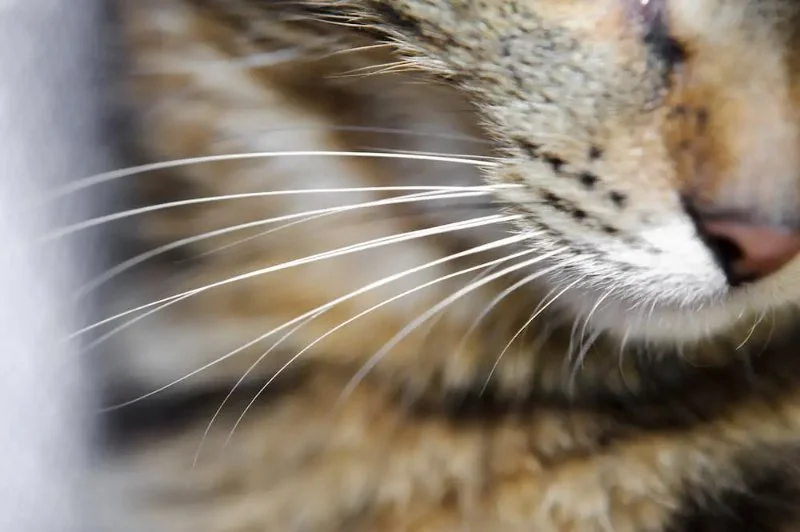
Whiskers, or vibrissae, are highly sensitive hairs on a kitten’s face that help them navigate the world. They detect changes in air currents, gauge the width of spaces, and assist in spatial awareness. A broken whisker may not be life-threatening but can temporarily affect a kitten’s confidence and mobility.

Maxwell Pet’s and Supplies
South El MonteLos Angeles CountyCalifornia
2511 Rosemead Blvd, South El Monte, CA 91733, USA
1.1 Function and Importance
Whiskers are connected to nerve endings and play a critical role in a kitten’s ability to measure distances and detect nearby objects. They are essential for coordination, hunting instincts, and avoiding obstacles, making care for broken whiskers important for the kitten’s overall comfort and development.
2. Common Causes of Whisker Injury
Whiskers can break due to a variety of factors, often related to environmental hazards or play behaviors:
- Accidental bumps into furniture or walls.
- Rough play with other kittens or pets.
- Stress-induced grooming or over-grooming.
- Interaction with sharp objects or household items.
Identifying the cause can help prevent future injuries and maintain a safe environment for your kitten.
3. Observing Your Kitten’s Behavior
After a whisker breaks, observe changes in your kitten’s behavior. They may:
- Appear hesitant while exploring their surroundings.
- Show signs of irritation or paw at their face.
- Be less playful or active temporarily.
Documenting these behaviors helps track recovery and detect potential complications early.
4. Providing a Safe Environment
Ensure your kitten’s space minimizes the risk of further injury. Strategies include:
- Removing sharp objects and obstacles from play areas.
- Creating enclosed, safe spaces for rest and exploration.
- Supervising interactions with other pets until the whisker heals.
5. Nutrition and Health Support
Proper nutrition supports healing and overall feline health. Focus on:
- High-quality kitten food rich in proteins and omega-3 fatty acids.
- Hydration to maintain skin and hair health.
- Vitamins and supplements recommended by a veterinarian.
6. When to Consult a Veterinarian
While broken whiskers usually heal naturally, veterinary consultation is advised if:
- Multiple whiskers are broken simultaneously.
- The kitten shows signs of pain, swelling, or infection.
- Behavioral changes persist beyond a few days.
7. Whisker Regrowth Timeline
Whiskers grow back gradually. Typically, a broken whisker will start to regrow within a few weeks and fully return within 2–3 months. Patience is key, as whisker regrowth is slower than regular fur growth.
8. Monitoring and Preventing Stress
Stress can affect a kitten’s recovery. To minimize stress:
- Maintain a consistent routine for feeding and playtime.
- Provide gentle handling and positive reinforcement.
- Use calming aids such as soft bedding and quiet spaces.
9. Success Stories and Real-Life Cases
Many kitten owners have shared stories where attentive care and a safe environment allowed whiskers to regrow without complication. For instance, a rescued kitten with a broken whisker gradually regained confidence in exploring its surroundings after a combination of supervised play, nutrition adjustments, and enriched environment.
10. Recommended Products and Tips
To support whisker recovery and overall kitten wellness:
- Soft kitten brushes to prevent accidental pulling of other whiskers.
- Interactive toys to encourage safe play and confidence-building.
- Consult resources from Omnia Pet for recommended foods, supplements, and care products designed to support healthy feline development.
With careful observation, a safe environment, and proper care, a kitten with a broken whisker can fully recover while maintaining a happy, active lifestyle.


 Riverdale Integrative Veterinary Care4.0 (43 reviews)
 Spencer Veterinary Hospital, LLC4.0 (131 reviews)
 Upscale Aquatics4.0 (799 reviews)
 Petco4.0 (1669 reviews)
 Petco4.0 (551 reviews)
 Ingleside Animal Hospital: Levine Kristen DVM3.0 (7 reviews)
 The Best Toys for a Kitten's Teething Pain - Omnia Pet
 Why Do Cats Bring You Their Toys? The Hunting Gift | Omnia Pet
 Best Pet Insurance Providers of 2024: Comparing Plans and Coverage
 The Top 10 Most Trainable Dog Breeds
 Why Is My Dog Panting So Much? Normal Behavior vs. Emergency
 The History and Origins of the Domestic Dog – Understanding the Evolution and Significance