
- 1-Common-Reasons-Cats-Vomit-Yellow-or-White-Foam
- 2-Vomiting-After-Eating-What-It-Means
- 3-Dietary-Causes-and-Food-Sensitivity
- 4-Digestive-Issues-and-Gastrointestinal-Problems
- 5-Common-Health-Conditions-Linked-to-Foam-Vomiting
- 6-When-to-See-a-Veterinarian
- 7-At-Home-Care-Tips-to-Relieve-Vomiting
- 8-Preventative-Strategies-for-Feline-Vomiting
- 9-Managing-Chronic-Vomiting-in-Cats
- 10-Expert-Recommendations-from-Omnia-Pet
1. Common Reasons Cats Vomit Yellow or White Foam
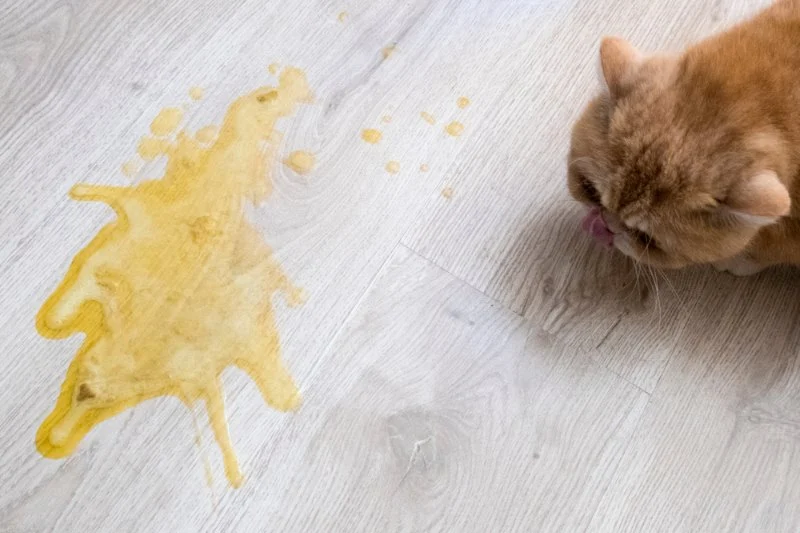
Seeing your cat vomit yellow or white foam can be alarming. Foam typically appears when the stomach is empty, and the yellow tint often indicates bile. Common causes include minor digestive upset, hairballs, dietary indiscretion, or stress.

Animal Medical Center
San JacintoRiverside CountyCalifornia
1230 S State St Ste A, San Jacinto, CA 92583, USA
1.1 Empty Stomach and Bile Accumulation
When a cat’s stomach is empty for several hours, bile can irritate the stomach lining, resulting in yellow foam vomiting. This is often seen early in the morning or late at night.

Vetco Vaccination Clinic
Johnson CityBroome CountyNew York
420 Harry L Dr #2, Johnson City, NY 13790, USA
1.2 Hairballs and Grooming
Frequent grooming can lead to hair ingestion. Hairballs can cause mild vomiting of white foam as the cat attempts to expel hair, sometimes mixed with saliva.
2. Vomiting After Eating: What It Means
Vomiting shortly after eating may indicate a different set of causes than empty-stomach vomiting. It can point to rapid eating, food intolerance, or underlying gastrointestinal issues.
2.1 Eating Too Fast
Cats that eat quickly may regurgitate partially digested food. Providing smaller portions or puzzle feeders can help slow their eating pace.
2.2 Food Sensitivities
Some cats develop reactions to certain ingredients, leading to vomiting after meals. Gradual dietary changes or hypoallergenic diets can reduce these occurrences.
3. Dietary Causes and Food Sensitivity
Dietary factors play a significant role in vomiting episodes. New foods, spoiled treats, or sudden changes can upset a cat’s digestive system.
3.1 Gradual Food Transitions
When switching cat food, transition slowly over 7–10 days to avoid gastrointestinal upset. Mix increasing amounts of the new food with the old to reduce the risk of vomiting.
3.2 Allergies and Intolerances
Food allergies are less common but can cause chronic vomiting. Symptoms may also include diarrhea, itching, and changes in behavior.
4. Digestive Issues and Gastrointestinal Problems
Underlying digestive conditions can lead to frequent vomiting of foam. These issues may include gastritis, inflammatory bowel disease (IBD), or pancreatitis.
4.1 Gastritis and Stomach Irritation
Gastritis inflames the stomach lining and often produces foam vomit. Causes include ingestion of irritants, medication side effects, or bacterial infections.
4.2 Inflammatory Bowel Disease (IBD)
IBD can result in recurring vomiting, diarrhea, and weight loss. Diagnosis typically requires veterinary evaluation, including imaging and biopsy.
5. Common Health Conditions Linked to Foam Vomiting
Beyond digestive upset, several medical conditions can cause foam vomiting. Early recognition is crucial for effective treatment.
5.1 Hyperthyroidism
Older cats with hyperthyroidism may vomit frequently. Symptoms include weight loss despite normal appetite, increased thirst, and hyperactivity.
5.2 Kidney Disease
Chronic kidney disease can lead to nausea, vomiting, and foam production. Regular check-ups and blood work can detect early-stage kidney issues.
6. When to See a Veterinarian
While occasional vomiting may be harmless, persistent or severe vomiting requires veterinary attention. Seek help if your cat shows lethargy, dehydration, blood in vomit, or weight loss.
6.1 Emergency Signs
If your cat vomits multiple times in a day, refuses to eat, or shows signs of pain, immediate veterinary care is recommended.
7. At-Home Care Tips to Relieve Vomiting
For mild cases, you can implement simple at-home strategies to help your cat:
- Feed smaller, more frequent meals to reduce stomach irritation.
- Ensure access to fresh water to prevent dehydration.
- Remove potential toxins or spoiled food from the environment.
- Monitor hairball accumulation and groom your cat regularly.
8. Preventative Strategies for Feline Vomiting
Preventing vomiting involves addressing both diet and environment. Choose high-quality, easily digestible foods, maintain consistent feeding schedules, and avoid sudden dietary changes.
8.1 Routine Feeding and Hydration
Consistency is key. Providing meals at regular times helps stabilize digestion and reduces the likelihood of bile-induced vomiting.
8.2 Environmental Considerations
Minimize stress and exposure to toxins or inedible objects. Stressful situations can exacerbate vomiting episodes in sensitive cats.
9. Managing Chronic Vomiting in Cats
Chronic vomiting often requires a combination of veterinary care, dietary adjustments, and lifestyle management. Maintaining detailed records of vomiting episodes can aid diagnosis and treatment planning.
9.1 Diagnostic Approach
Your veterinarian may recommend blood tests, fecal exams, imaging, or endoscopy to determine the underlying cause of chronic vomiting.
9.2 Long-Term Management
Management may include prescription diets, medications for nausea or gastrointestinal protection, and environmental enrichment to reduce stress-related vomiting.
10. Expert Recommendations from Omnia Pet
Understanding why your cat vomits yellow or white foam is essential for maintaining feline health. Omnia Pet recommends observing patterns, consulting with a veterinarian for persistent cases, and maintaining a consistent feeding routine with high-quality food. By addressing diet, environment, and medical issues proactively, you can help your cat enjoy a happier, healthier life.

 Riverdale Integrative Veterinary Care4.0 (43 reviews)
 Spencer Veterinary Hospital, LLC4.0 (131 reviews)
 Upscale Aquatics4.0 (799 reviews)
 Petco4.0 (1669 reviews)
 Petco4.0 (551 reviews)
 Ingleside Animal Hospital: Levine Kristen DVM3.0 (7 reviews)
 The Best Toys for a Kitten's Teething Pain - Omnia Pet
 Why Do Cats Bring You Their Toys? The Hunting Gift | Omnia Pet
 Best Pet Insurance Providers of 2024: Comparing Plans and Coverage
 The Top 10 Most Trainable Dog Breeds
 Why Is My Dog Panting So Much? Normal Behavior vs. Emergency
 The History and Origins of the Domestic Dog – Understanding the Evolution and Significance