
- -1-Why-Consider-Toilet-Training-Your-Cat
- -2-Preparation-and-Essential-Supplies
- -3-Step-1-Moving-the-Litter-Box-Near-the-Toilet
- -4-Step-2-Gradually-Raising-the-Litter-Box
- -5-Step-3-Introducing-a-Toilet-Training-Seat
- -6-Step-4-Reducing-Litter-and-Monitoring-Progress
- -7-Step-5-Complete-Toilet-Transition
- -8-Common-Challenges-and-Solutions
- -9-Tips-for-Successful-Toilet-Training
- -10-When-to-Seek-Professional-Advice
1. Why Consider Toilet Training Your Cat
Toilet training your cat offers several advantages: it reduces litter mess, can improve hygiene, and offers convenience for pet owners. Many cats are naturally clean, making them receptive to structured training routines. Understanding the benefits can motivate consistency in following the steps for effective training.
2. Preparation and Essential Supplies
Before beginning, ensure you have:
- A stable toilet with a seat that securely locks.
- A litter box or removable tray suitable for gradual adjustment.
- Cat-safe litter and treats for positive reinforcement.
- Patience and a structured schedule for training sessions.
Setting up a consistent environment increases the likelihood of success.
3. Step 1: Moving the Litter Box Near the Toilet
Begin by relocating your cat’s litter box next to the toilet. This familiarizes your cat with the new location. Reward your cat for using the litter box near the toilet to build positive associations and reduce anxiety during the transition.
4. Step 2: Gradually Raising the Litter Box
Slowly elevate the litter box using sturdy supports until it reaches the toilet height. This helps the cat adjust to the vertical position needed for toilet use. Raise in small increments to avoid stress or accidents. Continuous praise reinforces confidence.
5. Step 3: Introducing a Toilet Training Seat
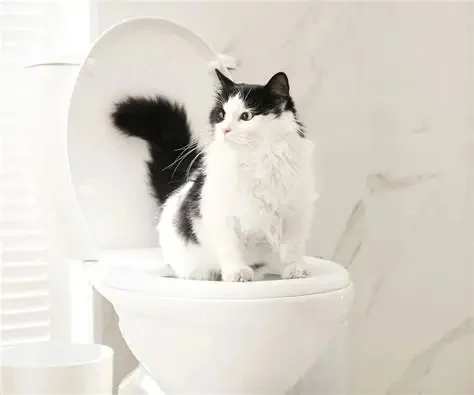
Replace the elevated litter box with a toilet training seat designed for cats. Initially, fill it with litter. Allow the cat to explore and use the seat while keeping treats and positive reinforcement. Gradual exposure helps your cat feel safe and curious about the new surface.
6. Step 4: Reducing Litter and Monitoring Progress
Once your cat is comfortable with the training seat, begin reducing the amount of litter. Monitor for signs of hesitation or accidents and provide encouragement. At this stage, patience is crucial as some cats may require extra time to adapt fully.
7. Step 5: Complete Toilet Transition
Remove all litter from the training seat gradually. Encourage your cat to use the seat directly on the toilet. Reward successful attempts consistently. By the end of this stage, your cat should be able to balance and use the toilet independently.
8. Common Challenges and Solutions
Some cats may resist or experience setbacks:
- Fear or anxiety: Use gradual steps and extra positive reinforcement.
- Slipping on the seat: Add non-slip pads or stabilize the seat.
- Regression: Reintroduce a small amount of litter temporarily.
Adjusting training pace based on your cat’s comfort ensures long-term success.
9. Tips for Successful Toilet Training
Consistency is key. Set a routine, provide treats for positive reinforcement, and ensure the toilet seat is stable and safe. Observe your cat’s behavior and adjust the process to suit their comfort level. Patience, encouragement, and gradual steps are essential.
10. When to Seek Professional Advice
If your cat shows extreme stress, persistent accidents, or health issues during training, consult a veterinarian or a certified cat behaviorist. Professional guidance helps tailor the approach and ensures the well-being of your pet.





 GSVS Veterinary Emergency Care East Brunswick4.0 (24 reviews)
 Mutt Stuff5.0 (5 reviews)
 Aquatropics4.0 (747 reviews)
 PetVet Vaccination Clinic0.0 (0 reviews)
 Main Street Veterinary Clinic4.0 (84 reviews)
 Healthy Pooch Boutique and Bakery3.0 (19 reviews)
 How to Introduce a New Dog to a Resident Cat - Tips for a Smooth Transition
 The Best Pet Insurance for Purebred Cats with Genetic Conditions
 How to Stop Your Kitten from Digging in Potted Plants
 Best Wet Food for Kittens Needing Extra Calories – Top Brands & Tips
 How to Stop Your Kitten from Eating Too Fast
 The Best Toy for a Kitten's Mental Stimulation: Puzzle Feeders