
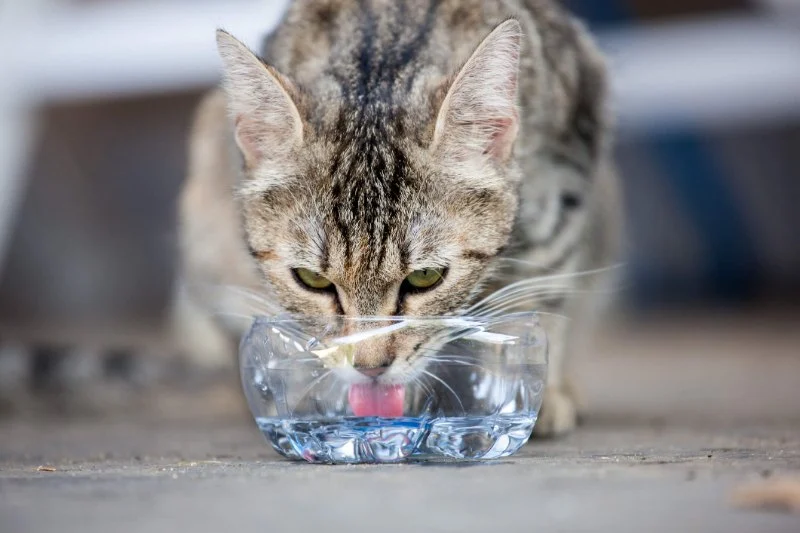
1. Understanding Dehydration in Cats
- Signs of Dehydration in Cats
- Common Causes of Dehydration
- How to Check if Your Cat is Dehydrated
- What to Do if Your Cat is Dehydrated
2. Signs of Dehydration in Cats
Dehydration in cats is a serious condition that can affect their overall health. Knowing the signs of dehydration is crucial for early detection and proper care. Some common symptoms include:
- Lethargy: A dehydrated cat may appear more tired and less playful than usual.
- Dry Gums and Mouth: When a cat is dehydrated, their gums may appear dry or sticky, and their mouth may feel less moist than normal.
- Reduced Skin Elasticity: Gently pulling the skin on the back of your cat’s neck should cause it to snap back quickly. If it stays tented or slowly returns to its normal position, your cat may be dehydrated.
- Sunken Eyes: Dehydration can cause your cat’s eyes to appear sunken or dull.
- Decreased Urine Output: If your cat is not urinating as frequently or their urine is more concentrated, it may be a sign of dehydration.
For example, one cat owner noticed their cat was lethargic and had dry gums. Upon further examination, they observed that their cat’s skin didn’t return to its normal position when gently pulled. This led them to seek veterinary help, which helped treat their cat’s dehydration early on.
Franklin Lakes Animal Hospital
Franklin LakesBergen CountyNew Jersey
754 Franklin Ave, Franklin Lakes, NJ 07417, USA
3. Common Causes of Dehydration in Cats
There are several reasons why a cat may become dehydrated. Some common causes include:
- Inadequate Water Intake: Cats may not drink enough water, especially if they are fed primarily dry food. Cats on a wet food diet tend to stay better hydrated.
- Illness: Conditions like kidney disease, diabetes, or gastrointestinal issues can lead to increased water loss or reduced water intake, causing dehydration.
- Hot Weather: Hot temperatures or lack of access to fresh water during summer months can lead to dehydration in cats.
- Vomiting and Diarrhea: Cats suffering from vomiting or diarrhea can lose significant amounts of fluids, leading to dehydration.
For instance, one cat owner shared that their cat started to drink less water after being diagnosed with kidney disease. This made it even more important to monitor their hydration and seek treatment to avoid complications from dehydration.
Flemington Veterinary Hospital: Betz Peter F DVM
FlemingtonHunterdon CountyNew Jersey
54 Voorhees Corner Rd, Flemington, NJ 08822, USA
4. How to Check if Your Cat is Dehydrated
There are a few simple tests you can perform at home to check if your cat is dehydrated. Here are some methods to try:
- Skin Tent Test: Gently pinch the skin at the back of your cat’s neck and release it. If the skin doesn’t snap back quickly, this could indicate dehydration.
- Gum Check: Press your finger gently against your cat’s gums. Healthy gums should turn white and quickly return to pink. If they remain pale or dry, dehydration may be present.
- Observe Water Intake: Monitor how much water your cat drinks in a day. If they’re not drinking enough or their water bowl remains full, this could be a sign of dehydration.
For example, when one pet owner noticed their cat was not drinking enough water, they performed the skin tent test and noticed that the skin didn’t return to its normal position. This was a clear indicator of dehydration, prompting them to take their cat to the vet for treatment.
5. What to Do if Your Cat is Dehydrated
If you suspect your cat is dehydrated, it's important to take action right away. Here are steps you can take to help rehydrate your cat:
- Provide Fresh Water: Ensure your cat has access to clean, fresh water at all times. Consider adding water fountains, which some cats prefer over traditional bowls.
- Feed Wet Food: Wet food can provide additional hydration as it contains more moisture than dry food. Mixing wet food with a small amount of water can also encourage hydration.
- Offer Ice Cubes: Some cats enjoy licking ice cubes, which can help hydrate them in a fun and low-stress way.
- Veterinary Treatment: In severe cases, dehydration may require professional treatment. A veterinarian can provide subcutaneous fluids or intravenous fluids to rehydrate your cat effectively.
For instance, one cat owner noticed their cat was not drinking water and was visibly lethargic. After adding wet food to their cat’s diet and offering ice cubes, they saw improvements. However, after consulting their vet, they found that their cat had underlying kidney disease and needed additional medical intervention to restore hydration.
6. Preventing Dehydration in Your Cat
Preventing dehydration is key to maintaining your cat's health. To keep your cat hydrated, ensure that they always have access to clean, fresh water, and consider incorporating wet food into their diet. You can also make sure that your cat stays cool during the warmer months and monitor their health regularly to catch any signs of illness early.
For high-quality hydration solutions and cat care products, visit Omnia Pet, where you can find everything you need to keep your cat healthy and hydrated.

 Point Vicente Animal Hospital4.0 (398 reviews)
 Gaviota Interprice llc0.0 (0 reviews)
 Parrot Stars Parties and Education Center4.0 (8 reviews)
 Anderson Equine Veterinary Services4.0 (13 reviews)
 Momma G's Dog Delicacies0.0 (0 reviews)
 Unleashed by Petco4.0 (129 reviews)
 The Best Slow Feeder Bowls for Cats That Eat Too Fast - Top Picks for 2025
 Why Does My Kitten Have a Black Nose? Causes and What to Know
 The Truth About Heartworm Disease: Prevention is Cheaper Than Cure
 How to Find a Reputable Dog Trainer in Your Area | Omnia Pet
 The Pros and Cons of Getting a Kitten for Christmas: A Holiday Pet Decision
 The Best Weaning Foods for Kittens Transitioning from Milk